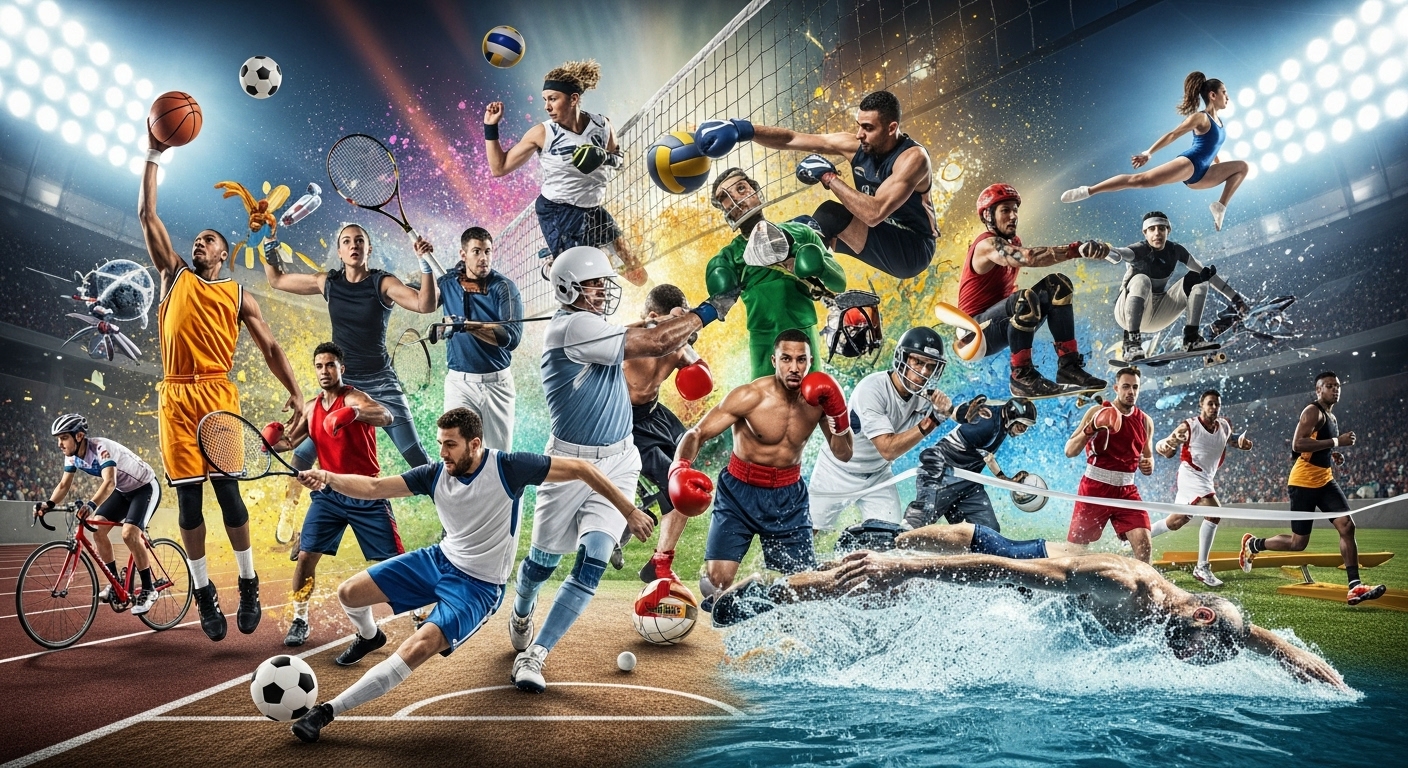

Introduction: More Than Just a Game
Sports have always been a fundamental part of human culture. From ancient competitions to modern-day tournaments, they have reflected our values, dreams, and ambitions. While many view sports merely as entertainment or a display of physical ability, their impact goes far beyond that. They influence personal development, shape communities, and even drive societal change.
In today’s world, sports are evolving rapidly. The integration of technology, the rise of global connectivity, and the increasing focus on mental health are redefining the ways athletes train, compete, and inspire others. This blog explores the transformative power of sports, examining the trends, innovations, and lessons that make them central to human experience.
The Role of Physical Training in Modern Sports
Physical training remains at the core of athletic success. Athletes spend countless hours perfecting their skills, building endurance, and enhancing their strength. Modern training goes beyond simple exercises; it is now a science. Coaches use biomechanics to analyze movement efficiency, tailor workout routines, and prevent injuries. Nutrition also plays a critical role. Personalized diets, hydration strategies, and recovery plans ensure that athletes reach peak performance.
Advancements in sports science allow for precision in training that was unimaginable decades ago. From high-intensity interval training to recovery protocols such as cryotherapy and physiotherapy, athletes are better equipped than ever to perform at their best. Physical fitness is no longer just about raw power; it’s about optimizing every aspect of the body to meet the demands of competition.
The Growing Importance of Mental Strength
While physical training is essential, mental toughness has become a defining factor in modern sports. Competing at elite levels requires focus, resilience, and the ability to manage pressure. Mental strength allows athletes to push through challenges, recover from setbacks, and maintain consistency in performance.
Sports psychologists are now integral to athletic development. Techniques like visualization, meditation, and cognitive behavioral strategies help athletes maintain confidence and manage anxiety. The emphasis on mental health is also changing the culture of sports. Athletes are speaking openly about struggles with stress and depression, inspiring younger generations to view mental well-being as equally important to physical fitness.
Teamwork Versus Individual Excellence
Some sports focus on individual brilliance, while others emphasize teamwork. However, the most successful athletes understand the importance of collaboration. Even in individual sports, coaches, trainers, and support staff form a team that contributes to the athlete’s success.
Team sports highlight the power of collective effort. Soccer, basketball, and cricket, among others, rely on coordinated strategies, communication, and trust among players. Successful teams spend significant time analyzing opponents, developing tactics, and building chemistry. Individual talent is important, but teamwork often makes the difference between victory and defeat.
Youth Development and Nurturing Talent
The foundation of sports lies in nurturing young talent. Early exposure to structured training, professional coaching, and competitive opportunities sets the stage for lifelong success. Youth sports programs today focus on developing skills while promoting discipline, resilience, and sportsmanship.
Modern training emphasizes holistic development. Young athletes are encouraged to balance academics and athletics, understand the importance of nutrition, and develop mental resilience. Parents and coaches play a critical role in fostering passion and motivation. When guided correctly, young athletes not only excel in sports but also develop traits that help them succeed in all areas of life.
Technology Transforming the Game
Technology has revolutionized the world of sports. Wearable devices monitor heart rate, sleep patterns, and physical exertion. Data analytics inform strategies, improve performance, and reduce injuries. Video analysis allows athletes to study opponents and refine their skills with precision.
Even officiating has evolved through technology. Instant replays, goal-line sensors, and video assistant referees ensure fair play and maintain the integrity of the game. Fans benefit as well, enjoying immersive experiences through virtual reality and advanced broadcasting techniques. The intersection of technology and sports is creating an era where preparation, performance, and engagement reach unprecedented levels.
The Globalization of Sports
Sports are no longer confined by borders. International tournaments, leagues, and events bring together athletes and fans from around the world. This global connectivity fosters cultural exchange, mutual respect, and understanding.
Athletes become ambassadors for their countries, representing not only their teams but also their cultures. Fans follow international leagues, creating communities united by shared passion. Globalization also widens opportunities for talent discovery. Young athletes from remote regions now have platforms to showcase their skills and compete on the world stage. The result is a more diverse, inclusive, and dynamic sports environment.
Women in Sports: Breaking Barriers
The rise of women in sports is one of the most remarkable developments of recent decades. Women athletes are achieving unprecedented recognition and inspiring future generations. Women’s leagues, tournaments, and sponsorships are growing rapidly, reflecting a shift toward equality and inclusion.
These athletes are not only breaking records but also challenging stereotypes. Their success motivates young girls to pursue sports, fostering confidence, leadership, and independence. The increasing visibility of women in sports strengthens the overall sports ecosystem and promotes a more balanced, inclusive culture.
The Business of Sports
Sports have evolved into a major industry, generating revenue through sponsorships, merchandising, media rights, and events. Athletes today are global icons, with personal brands that extend beyond the field. Their influence shapes consumer behavior, lifestyle trends, and social campaigns.
The commercialization of sports has created opportunities and challenges. While increased funding improves facilities, training, and player welfare, it also adds pressure to maintain viewership and generate profits. Striking a balance between business interests and preserving the authenticity of sports is an ongoing challenge for organizations worldwide.
Sportsmanship and Ethics
True sportsmanship remains the heart of athletic competition. Respecting opponents, adhering to rules, and displaying humility are values that transcend winning or losing. Ethics ensure fairness, integrity, and credibility.
Athletes who demonstrate sportsmanship inspire fans and peers alike. These moments—shaking hands after a tough match, helping an opponent up, or acknowledging fair play—highlight the essence of sports. They remind us that sports are about character as much as skill.
Community Impact and Social Change
Sports have the power to transform communities. Local clubs, youth programs, and recreational leagues foster social cohesion, promote physical activity, and provide safe spaces for children and adults alike.
Athletes often use their influence for social good, supporting charitable initiatives, raising awareness for causes, and mentoring young talent. Sports can empower marginalized groups, promote education, and instill values of discipline, teamwork, and perseverance. The ripple effect of sports extends far beyond the stadiums and arenas, shaping societies in meaningful ways.
Health and Lifestyle Benefits
Participation in sports has significant health benefits. Regular physical activity strengthens the heart, improves flexibility, boosts immunity, and enhances overall well-being. Sports also foster mental resilience, reduce stress, and improve cognitive function.
Communities that embrace sports enjoy lower rates of lifestyle-related diseases and higher engagement in healthy activities. Beyond competition, sports promote active living, encouraging individuals to prioritize their physical and mental health.
Inspiring Stories and Life Lessons
One of the most powerful aspects of sports is the stories it generates. Tales of perseverance, triumph over adversity, and self-discovery resonate deeply. Athletes teach lessons about dedication, focus, and overcoming obstacles, inspiring fans to apply these principles in their own lives.
From historic victories to personal comebacks, sports narratives capture the human spirit. They remind us that success is not merely about talent but about hard work, resilience, and the courage to chase dreams.
Conclusion: The Everlasting Power of Sports
Sports are far more than games. They are a reflection of society, a catalyst for change, and a platform for human expression. They teach discipline, encourage collaboration, and foster mental and physical growth. They unite communities, inspire individuals, and leave lasting legacies.
The evolution of sports—from ancient contests to technologically advanced global events—demonstrates humanity’s enduring passion for competition, excellence, and connection. As we look to the future, sports will continue to shape minds, build communities, and create stories that inspire generations. The spirit of the game goes beyond the final whistle; it lives in every athlete, fan, and community touched by the magic of sports.