
Introduction
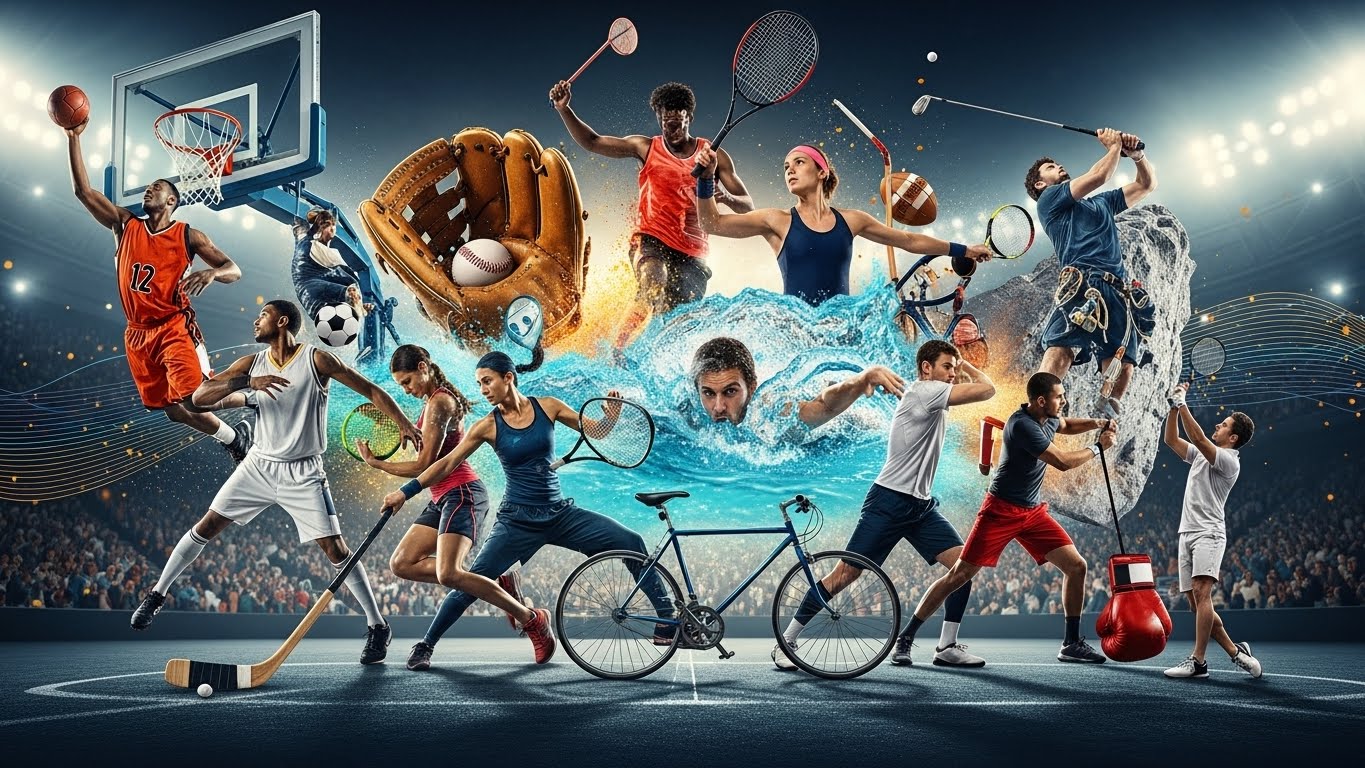
Sports have always held a unique position in human society. From ancient civilizations to modern times, sports have served as more than just entertainment. They are a reflection of human ambition, discipline, and resilience. Across cultures, sports have the power to unite communities, inspire individuals, and even influence social change. The allure of sports lies not only in the thrill of competition but also in the life lessons it imparts. This blog explores the multifaceted impact of sports on individuals and society, emphasizing its cultural, psychological, and health-related significance.
The Historical Significance of Sports
The history of sports dates back thousands of years. Ancient societies, including the Greeks, Egyptians, and Chinese, engaged in physical competitions that were often linked to religious or cultural rituals. The Olympic Games, originating in Greece in 776 BCE, are perhaps the most iconic example of the historical importance of sports. These games were not merely about physical prowess; they celebrated excellence, discipline, and unity. Similarly, traditional sports in various cultures, such as wrestling in India or martial arts in East Asia, reveal how deeply sports were woven into societal structures. Understanding this history helps us appreciate how sports have evolved from simple physical contests to complex global phenomena.
Sports as a Medium of Unity
One of the most powerful aspects of sports is its ability to bring people together. Regardless of age, gender, or background, sports create shared experiences that foster community spirit. Major international tournaments like the World Cup or the Olympics transcend national borders and political tensions. Fans from all corners of the globe unite in celebration, cheering for athletes whose dedication and performance evoke admiration. Sports also serve as a bridge in local communities, where neighborhood games and school competitions nurture friendships and social bonds. This unifying power of sports highlights its role as a vital social glue in both global and local contexts.
Psychological Benefits of Sports
Engaging in sports has profound psychological advantages. Physical activity is closely linked to mental well-being, reducing stress, anxiety, and depression. Athletes often develop qualities such as focus, patience, and resilience, which are transferable to other areas of life. Participating in competitive sports teaches individuals how to cope with failure, handle pressure, and strive for improvement. Team sports, in particular, enhance communication skills and emotional intelligence, as players learn to collaborate and adapt to diverse personalities. Even for spectators, following sports can provide emotional release and a sense of belonging, offering moments of joy and shared excitement.
Sports and Physical Health
The health benefits of sports are undeniable. Regular physical activity improves cardiovascular health, strengthens muscles and bones, enhances flexibility, and boosts the immune system. Beyond physical fitness, sports contribute to a healthier lifestyle by encouraging better nutrition, sleep, and stress management. Youth participation in sports is especially critical, as it promotes healthy growth and instills lifelong habits of physical activity. For older adults, sports can slow the effects of aging, maintain mobility, and improve cognitive function. Clearly, the physical dimension of sports plays a vital role in enhancing quality of life across all age groups.
The Role of Sports in Personal Development
Sports are not just about winning medals; they are a powerful tool for personal growth. Engaging in sports nurtures discipline, time management, and goal-setting skills. Athletes learn the importance of consistent practice, perseverance, and self-motivation. These qualities often translate into professional success and personal achievements outside the sporting arena. Additionally, sports can build self-confidence and a sense of identity, as individuals recognize their strengths and work on weaknesses. The challenges faced in sports—from injuries to competition pressure—teach resilience and adaptability, essential traits for navigating life’s complexities.
Sports and Cultural Identity
In many societies, sports serve as a symbol of cultural identity and pride. National teams often become a reflection of a country’s heritage, values, and aspirations. Traditional sports and games carry historical significance and preserve cultural practices. For example, sumo wrestling in Japan or hurling in Ireland is deeply tied to national history and pride. Sports also provide a platform for celebrating diversity, as athletes from different backgrounds come together to showcase talent and teamwork. By understanding and embracing cultural aspects of sports, societies can strengthen social cohesion and promote cross-cultural understanding.
Economic Impact of Sports
The economic influence of sports is immense, spanning local communities to global markets. Sporting events generate revenue through ticket sales, sponsorships, merchandising, and broadcasting rights. Major events often stimulate tourism and create employment opportunities, boosting regional economies. Sports infrastructure, including stadiums, training facilities, and sports academies, contributes to long-term economic growth. Beyond financial benefits, the sports industry inspires innovation in technology, health, and media. The economic dimension of sports demonstrates that its impact extends far beyond the playing field, influencing livelihoods and shaping industries.
Sports as a Platform for Social Change
Sports have historically played a critical role in advocating for social change and equality. Athletes and sporting events have been catalysts for challenging societal norms, raising awareness, and promoting human rights. Movements advocating gender equality, racial justice, and inclusivity often find expression through sports. The visibility of athletes as role models amplifies these messages, inspiring communities to embrace positive change. Initiatives promoting accessibility in sports, such as programs for differently-abled individuals, exemplify how sports can drive inclusion and empowerment. Through its global reach, sports remain a powerful tool for addressing social issues and fostering progressive values.
Technological Innovations in Sports
The evolution of sports is closely tied to technological advancements. Innovations in equipment, training techniques, and performance analysis have transformed how athletes prepare and compete. Wearable devices monitor health and performance metrics, while video analysis enhances strategy and skill development. Broadcasting technologies and digital platforms have expanded the reach of sports, allowing fans worldwide to engage in real-time experiences. Technology has also enhanced safety measures, reducing the risk of injuries and prolonging athletes’ careers. By integrating technology, sports continue to evolve, blending tradition with modern innovation to enrich both participation and spectatorship.
Future of Sports
The future of sports promises exciting developments, with emerging trends reshaping how we play, watch, and experience them. Esports and virtual reality competitions are gaining popularity, challenging conventional definitions of sports. Sustainable practices in stadium construction and event management are becoming a priority, reflecting growing environmental awareness. Additionally, sports are increasingly recognized for their role in mental health, diversity, and community development. As society evolves, sports will continue to adapt, maintaining their relevance as a source of entertainment, education, and inspiration. The enduring appeal of sports lies in its ability to evolve while staying true to the human spirit of competition and camaraderie.
Conclusion
Sports are far more than a form of recreation; they are a profound aspect of human life with multidimensional impacts. From fostering unity and cultural identity to promoting physical and psychological well-being, sports influence individuals and society at every level. They drive economic growth, inspire social change, and adapt to technological and cultural shifts. Engaging with sports, whether as a participant or spectator, enriches our lives by teaching resilience, teamwork, and the pursuit of excellence. In essence, sports embody the essence of human potential, reminding us that the pursuit of greatness, both on and off the field, is a journey worth embracing.