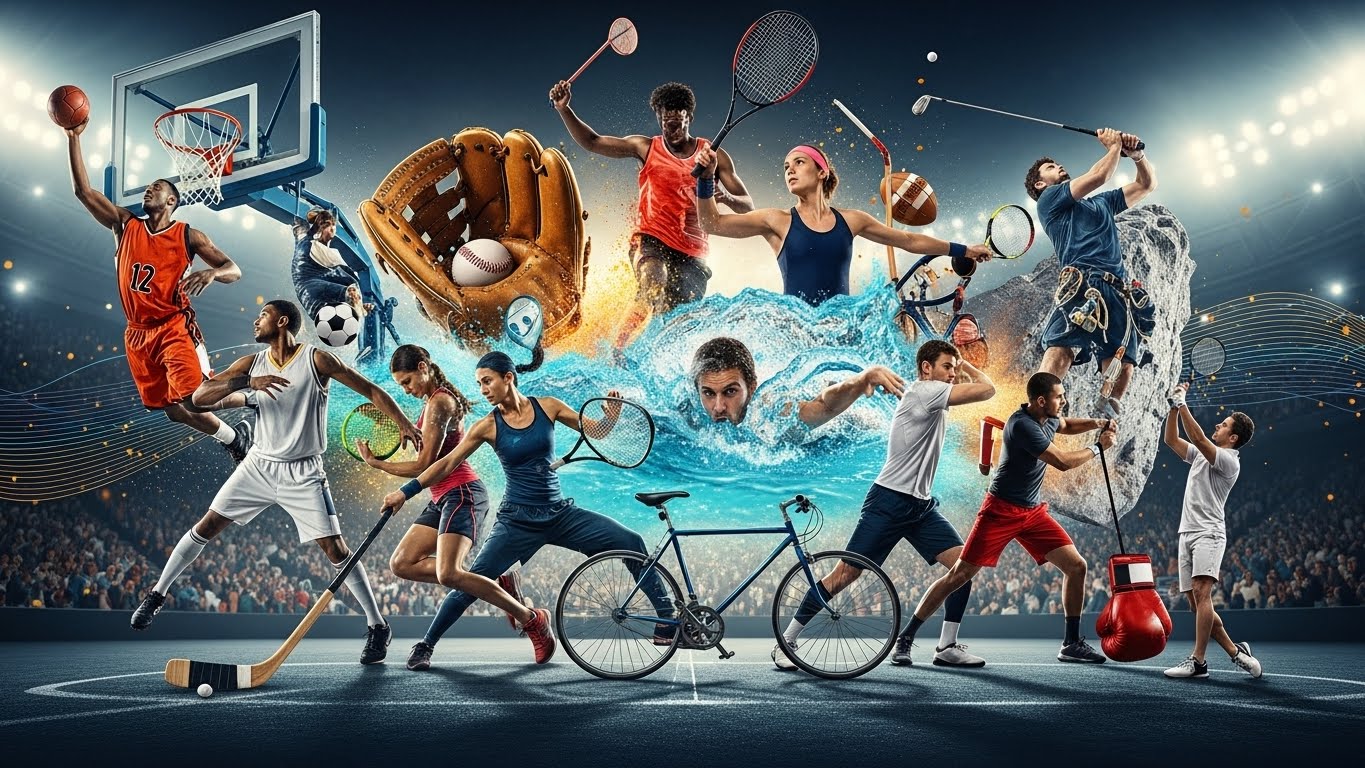
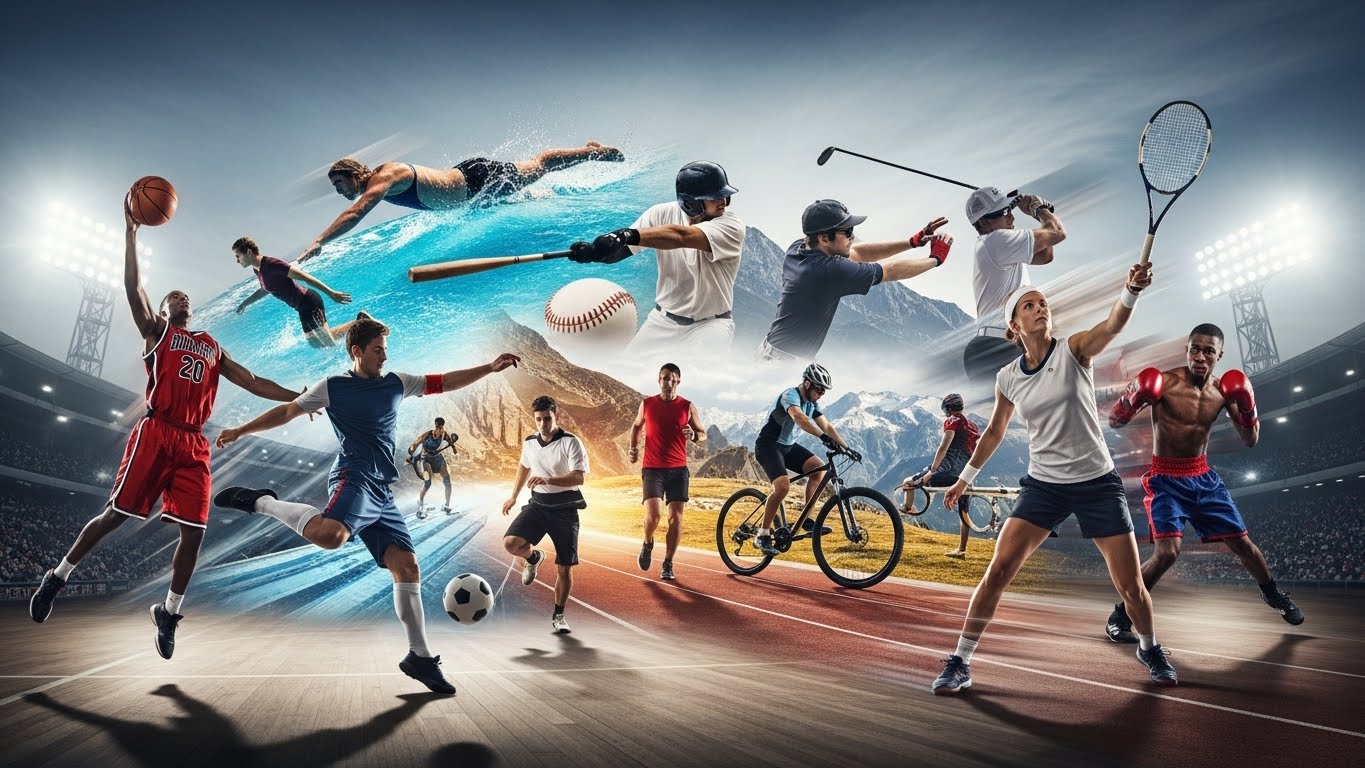
Sports have an unparalleled power to unite people from diverse backgrounds and bring communities together. Whether it’s the euphoria of winning a match, the thrill of a close competition, or the camaraderie built around shared passions, sports have evolved into an essential part of human culture. They go beyond just physical activity; they represent identity, aspirations, and sometimes even national pride. As we explore the global influence of sports, we’ll dive into how they shape our lives, impact society, foster personal development, and create lasting connections across borders.
The Universal Appeal of Sports
One of the most striking features of sports is their universal appeal. Regardless of where you come from, sports have a unique way of transcending language, culture, and geographical boundaries. From the streets of New York to the fields of rural Africa, children, teenagers, and adults alike engage in some form of physical activity, whether it’s soccer, basketball, cricket, or even running. This commonality binds us together, making sports a true universal language.
The simple nature of sports makes them accessible. You don’t need expensive equipment or an elaborate setup to play. A ball, a space to run, and the willingness to engage are often all you need to start. In some of the world’s most underprivileged regions, sports serve as a powerful tool for escape, providing children with opportunities for expression, development, and sometimes even a pathway out of poverty. Through sports, communities can come together, celebrating their differences while enjoying shared experiences.
The Cultural Significance of Sports
Sports are much more than just games. They hold profound cultural significance, influencing everything from national identity to personal values. In many countries, sports are an integral part of the national consciousness. In the United States, for instance, American football is almost more than just a game; it is a cultural ritual that brings families, friends, and communities together every fall. The Super Bowl, for instance, is not only a sports event but also a spectacle, showcasing music, commercials, and a collective sense of pride.
In countries like Brazil, soccer is deeply embedded in the cultural fabric. Football, or soccer, is seen as more than just a sport; it’s a national passion that evokes emotions of joy, heartbreak, and pride. The same holds true in places like Argentina, Spain, and Italy, where the sport has historically been tied to national and local pride, with soccer clubs representing much more than just athletic competition. For fans, it’s a matter of identity, with cities and regions rallying behind their respective teams. It’s in moments of victory and defeat that people discover a shared humanity — one that binds them to their roots and to each other.
The Health Benefits of Engaging in Sports
While sports are largely celebrated for their entertainment value, they also bring significant health benefits to those who actively participate. Whether it’s playing as part of a team or simply engaging in a solo activity like running or swimming, regular participation in sports helps maintain physical fitness, mental clarity, and emotional well-being.
Engaging in sports improves cardiovascular health by strengthening the heart, boosting circulation, and improving lung capacity. In addition, playing sports helps to improve muscle strength, coordination, and flexibility. Beyond the physical benefits, sports also have a profound impact on mental health. Regular exercise is known to release endorphins, often referred to as the “feel-good hormones.” These hormones help alleviate stress, reduce anxiety, and combat depression.
Moreover, participating in sports can enhance cognitive function and improve concentration, which is why sports are often emphasized as an essential part of education. Studies have shown that children who participate in organized sports tend to perform better academically because the discipline and teamwork skills learned on the field carry over into the classroom. In fact, sports are often viewed as tools for building lifelong habits of physical activity, which are essential for long-term health and wellness.
The Power of Sports in Building Character and Life Skills
Sports are an extraordinary tool for developing important life skills. From teamwork and leadership to discipline and time management, the lessons learned through sports often go beyond the playing field and impact various aspects of life. One of the most valuable aspects of sports is the ability to teach perseverance. Whether you’re down by 20 points in a basketball game or struggling to finish a race, sports instill a sense of resilience that’s essential for personal growth.
Team sports, in particular, teach the importance of collaboration and working toward a common goal. Learning to trust others and contribute to a team effort helps build empathy, communication skills, and conflict resolution abilities. These skills are invaluable in both personal and professional settings. For athletes, success is not just about individual performance but also about understanding how to function as part of a collective unit.
On the flip side, individual sports such as tennis or athletics teach the importance of self-reliance, focus, and the drive to improve. Athletes in individual sports must take full responsibility for their actions, which can foster a strong sense of personal accountability. It’s in the moments of personal triumph and failure that athletes learn to grow as individuals, pushing their limits and discovering their full potential.
The Role of Sports in Fostering Community and Connection
Sports have the ability to foster a sense of community and belonging. Whether you’re playing in a local league or cheering from the stands, the experience of participating in or watching sports creates an emotional connection between people. Teams and fan bases come together, forming a collective identity based around shared interests and passions. This sense of unity goes beyond mere entertainment; it creates lasting friendships, strengthens community bonds, and provides a safe space for self-expression.
Communities often rally around local sports teams, providing fans with a sense of pride and belonging. For smaller towns and cities, local sports teams become a symbol of community identity. These teams often represent the values, heritage, and spirit of the people who support them. In fact, in many cases, these teams are the heart of the community, with everyone from children to grandparents sharing in the victories and defeats.
Sports events also bring people together from diverse backgrounds. National and international tournaments, such as the Olympics or the FIFA World Cup, provide a platform for global connection. Fans from all over the world converge, celebrating the achievements of athletes and cultures that may otherwise have little interaction. In such settings, cultural boundaries fade away, and people from different walks of life share a common experience, a powerful reminder of our shared humanity.
The Economics of Sports: A Global Industry
The economic impact of sports is staggering. Professional sports leagues, international tournaments, and sports-related industries are worth billions of dollars globally. From sponsorships and media rights to merchandise and ticket sales, the economics of sports touch a wide array of industries, creating jobs and driving economic growth in many regions.
Sports events, especially large-scale ones like the World Cup, the Olympics, and the Super Bowl, generate massive revenue streams through advertising, ticket sales, and sponsorship deals. The cities that host these events often see a significant boost in tourism and local business activity, as fans flock to watch the games and engage in related activities. Furthermore, sports leagues and clubs themselves contribute to the local economy by providing jobs, from athletes to coaches, marketing professionals, and administrative staff.
Additionally, the rise of sports media, including broadcasting and digital streaming, has made sports more accessible than ever before. The widespread availability of sports content has expanded the fan base globally, making it possible for fans in different countries to tune in and follow their favorite teams and athletes.
The Evolution of Sports: Technological Advancements and New Frontiers
As technology continues to advance, sports are evolving in new and exciting ways. From the integration of data analytics in performance monitoring to innovations in training techniques, technology is reshaping how athletes train, compete, and recover. In sports like basketball, football, and soccer, teams now use sophisticated data systems to track player performance and make data-driven decisions about training, strategy, and gameplay.
The advent of virtual reality (VR) and augmented reality (AR) also has the potential to revolutionize how fans experience sports. VR enables fans to virtually step into the action, offering an immersive experience that goes beyond watching a game on TV. Additionally, innovations in wearable technology are providing athletes with deeper insights into their health, allowing them to optimize performance, reduce injuries, and extend their careers.
Moreover, the rise of eSports has brought a digital dimension to the world of sports. Competitive gaming has gained immense popularity, with millions of fans watching professional gamers compete in tournaments for substantial prize money. This new frontier of sports entertainment is rapidly growing, drawing in younger audiences and reshaping what it means to be an athlete in the digital age.
The Future of Sports: Embracing Diversity and Sustainability
Looking ahead, the future of sports seems brighter than ever. We’re likely to see continued growth in the global sports industry, as both traditional and new forms of sports gain popularity. Gender equality in sports is an important issue that is steadily gaining momentum, as female athletes are receiving more recognition and the support they deserve. The rise of women’s professional sports leagues and increased media coverage are signs of progress toward achieving parity.
Moreover, sports organizations are placing a greater emphasis on sustainability, with environmental concerns becoming more prominent in sports. From reducing the carbon footprint of major tournaments to encouraging eco-friendly practices within teams and organizations, the future of sports is moving toward more responsible, sustainable practices.
Sports will continue to play an essential role in shaping global culture, health, and society, evolving alongside technological advancements and societal changes. As the world becomes increasingly interconnected, the power of sports to unite, inspire, and uplift communities will remain as strong as ever.
Conclusion: Sports as a Force for Change
Sports are more than just games; they are a powerful force that transcends boundaries and creates lasting connections. Whether on the field or in the stands, sports offer a unique platform for personal growth, community building, and cultural exchange.