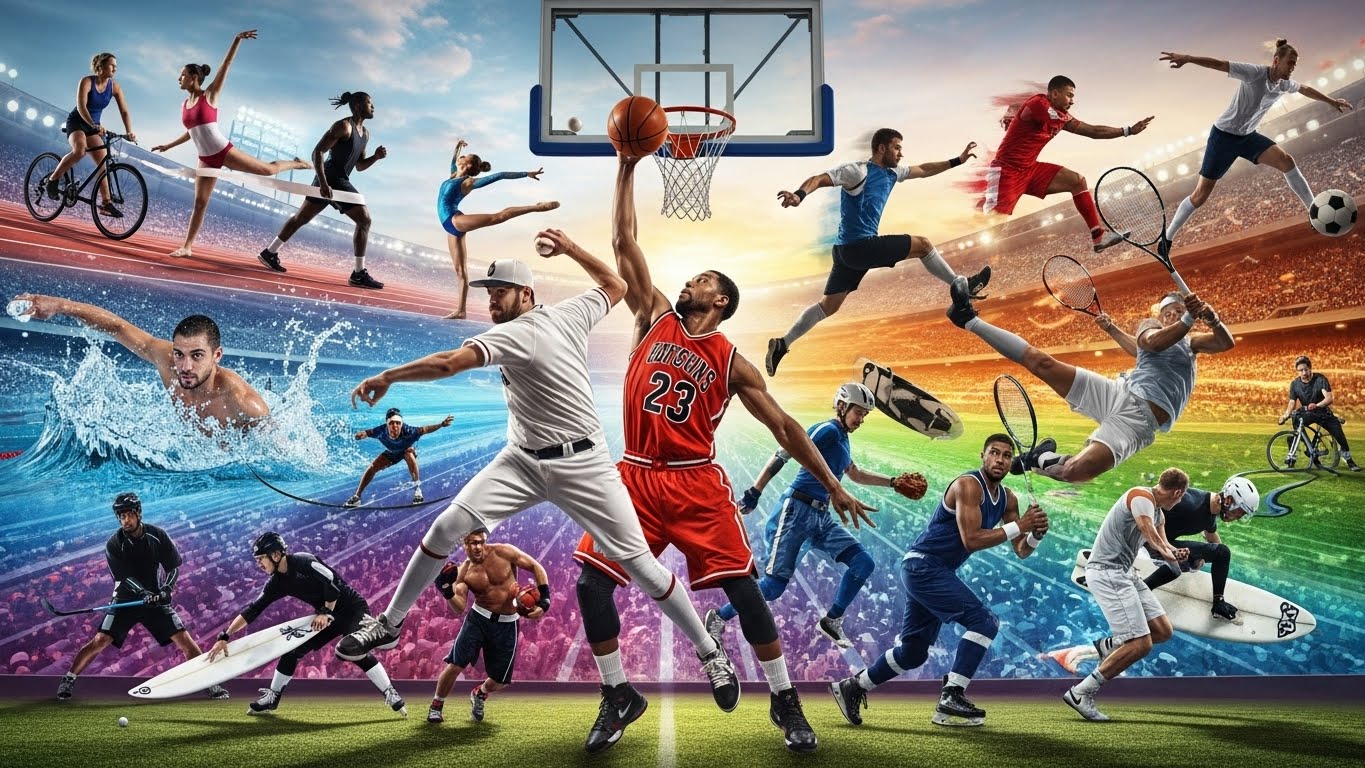

Introduction: The Power of Sports
Sports have always been more than just games; they are a universal language that connects people across cultures, ages, and social backgrounds. From the thrill of competition to the dedication required in training, sports reflect the essence of human ambition and resilience. They teach lessons that extend beyond the field, nurturing discipline, teamwork, and mental strength. Whether played professionally or for leisure, sports have the power to shape individuals and societies in profound ways. This blog explores the multifaceted role of sports in human life, from their historical roots to their social, physical, and cultural significance.
The Historical Evolution of Sports
Sports have existed since ancient times, evolving alongside human civilization. Archaeological evidence reveals that early humans engaged in competitive activities like running, wrestling, and archery. Ancient civilizations such as Greece and Rome institutionalized sports, making them central to culture and education. The Olympic Games of Greece, for instance, celebrated not only athletic prowess but also strategic thinking, honor, and community spirit. Over the centuries, sports evolved into structured competitions with codified rules, international tournaments, and professional leagues. Today, sports are a global phenomenon that entertains millions while fostering personal and collective growth.
Mental Benefits of Sports
Sports are not just physical activities; they play a critical role in mental well-being. Engaging in sports reduces stress, anxiety, and depression by stimulating the release of endorphins, the body’s natural mood enhancers. Team sports, in particular, encourage collaboration, communication, and empathy. Learning to win and lose gracefully builds resilience and prepares individuals for life’s challenges. Sports also boost self-confidence and focus, helping participants develop a strong sense of identity and purpose. These psychological benefits are as valuable for spectators as they are for players, as cheering for a team can create community bonding and emotional excitement.
Physical Advantages of Sports
The physical benefits of sports are undeniable, ranging from improved cardiovascular health to enhanced flexibility and strength. Regular participation in sports promotes healthy body weight, strengthens muscles and bones, and reduces the risk of chronic diseases. Sports enhance coordination, agility, and reflexes, which are useful in everyday activities. Beyond physical fitness, sports instill discipline, goal-setting, and time management skills, creating a holistic approach to health. Whether running, swimming, or playing team sports, physical activity remains one of the most effective ways to maintain overall well-being.
Sports as a Catalyst for Social Change
Throughout history, sports have served as a platform for social transformation. They have been instrumental in breaking racial, gender, and social barriers. Athletes have used their prominence to advocate for equality, justice, and humanitarian causes. Community sports programs offer opportunities to marginalized groups, providing avenues for education, personal growth, and social mobility. By promoting inclusion and fairness, sports challenge societal norms and encourage positive social change. They demonstrate that athletic arenas are not just stages for competition but also platforms for progress and empowerment.
The Role of Sports in Education
Sports play a vital role in education, fostering holistic development in students. Schools and universities integrate sports into their curricula to teach teamwork, leadership, and perseverance. Participating in competitive sports develops strategic thinking, problem-solving, and decision-making skills under pressure. Sports also encourage discipline and time management, essential qualities for academic and personal success. Beyond individual growth, sports contribute to school spirit and community engagement, uniting students, teachers, and families. The educational value of sports underscores their significance beyond mere recreation.
Cultural Significance of Sports
Sports are deeply intertwined with cultural identity and tradition. They often serve as symbols of national pride and collective heritage. Traditional sports, local tournaments, and international competitions reflect the values and customs of societies. For example, cricket in India, soccer in Brazil, and sumo wrestling in Japan are more than games; they are cultural phenomena that unite communities and foster national identity. Global sports events like the Olympics and World Cup promote cultural exchange and mutual respect among nations. Sports bridge the gap between tradition and modernity, providing a shared language that celebrates human diversity.
Economic Impact of Sports
The economic significance of sports extends from local communities to global markets. Professional leagues generate employment, stimulate tourism, and drive media and merchandise industries. Major sporting events often lead to infrastructure development and economic growth in host cities. Sports-related careers go beyond athletes, encompassing coaching, management, sports medicine, and analytics. Even grassroots programs contribute economically by encouraging participation and creating opportunities in related sectors. The financial ecosystem surrounding sports highlights their multifaceted value, demonstrating that sports are both a cultural and economic powerhouse.
Technological Advancements in Sports
Technology has transformed the way sports are played, analyzed, and consumed. Advanced equipment and training tools enhance performance, while wearable devices track vital statistics, helping athletes optimize their routines. Video-assisted refereeing ensures fairness, and instant replays improve spectator experience. Virtual and augmented reality offer immersive fan engagement, allowing people to experience games in new ways. Sports analytics use data-driven insights to refine strategies and improve team performance. Technology complements tradition, enhancing sports without compromising their core essence of competition, skill, and passion.
The Future of Sports
The future of sports promises a harmonious blend of innovation, inclusivity, and sustainability. Mental and physical health will continue to be central, while technological advancements will refine training, performance, and fan engagement. Sports will remain a platform for social inclusion, gender equality, and global collaboration. Environmental awareness is increasingly shaping sports organizations, promoting eco-friendly practices in stadiums and events. Future generations of athletes and fans will embrace sports not only as entertainment but as a tool for personal growth, community building, and global understanding.
Conclusion: Sports as a Mirror of Humanity
Sports are much more than physical contests; they are reflections of human ambition, resilience, and creativity. They influence mental and physical health, social cohesion, cultural identity, and economic development. Sports teach lessons in teamwork, leadership, discipline, and perseverance. They provide a platform for social change, cultural exchange, and global unity. Every goal, race, or match illustrates the limitless potential of human effort and spirit. Embracing sports is not just about playing or watching; it is about recognizing their profound role in shaping individuals, communities, and the world.