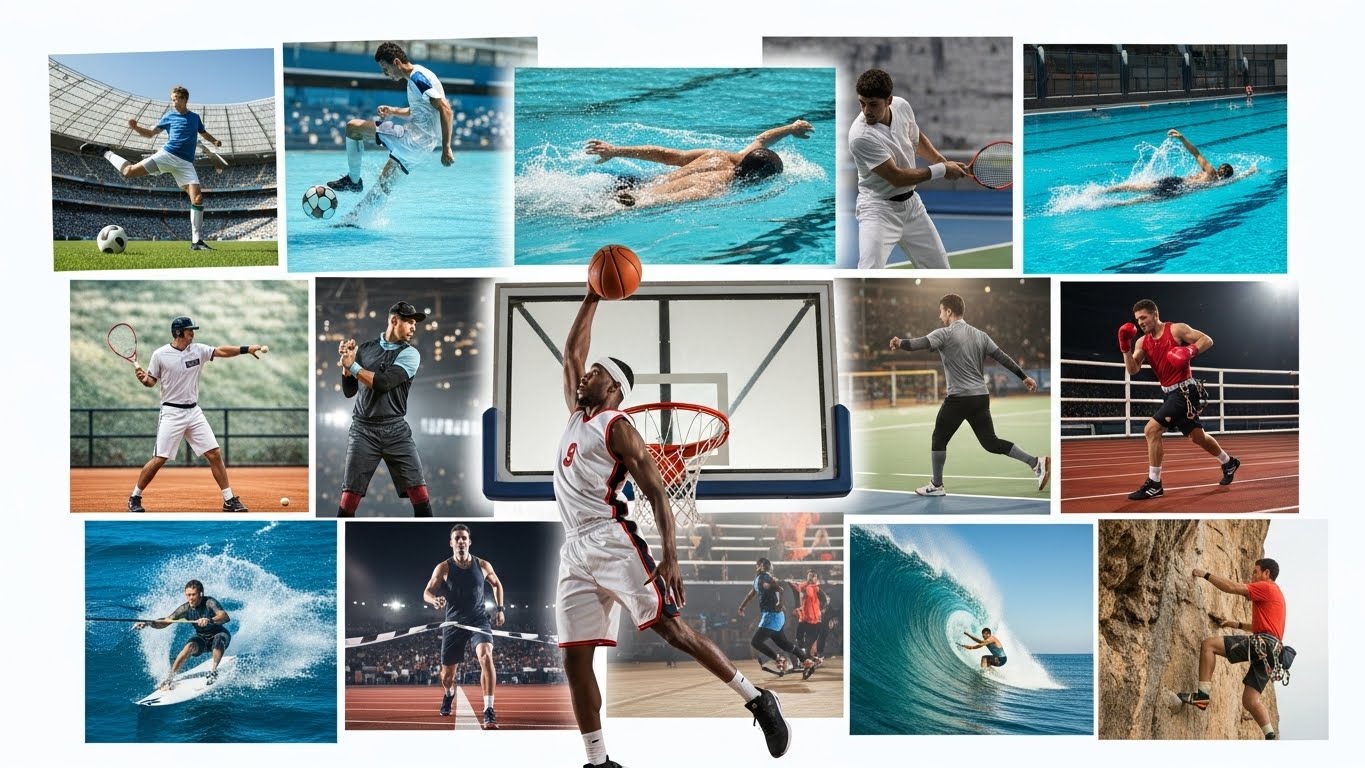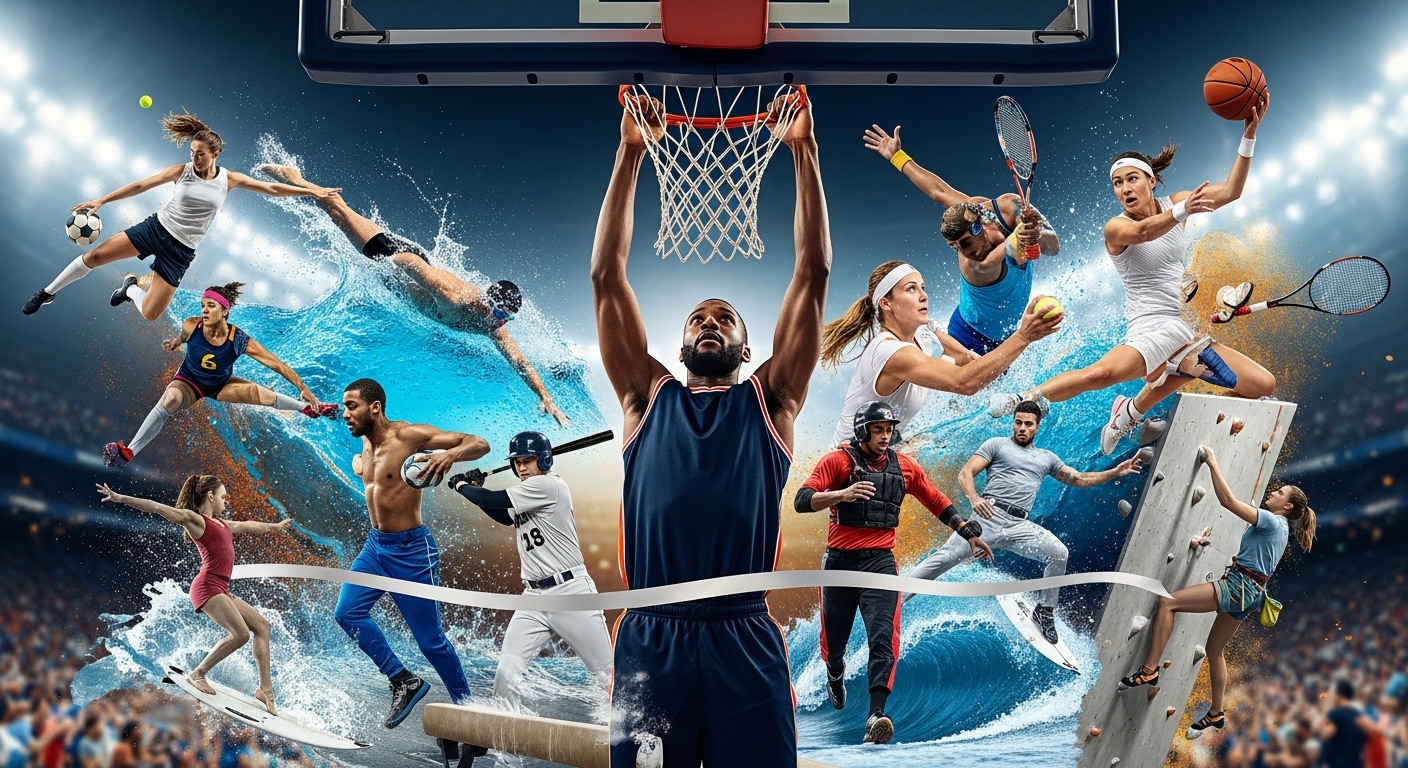
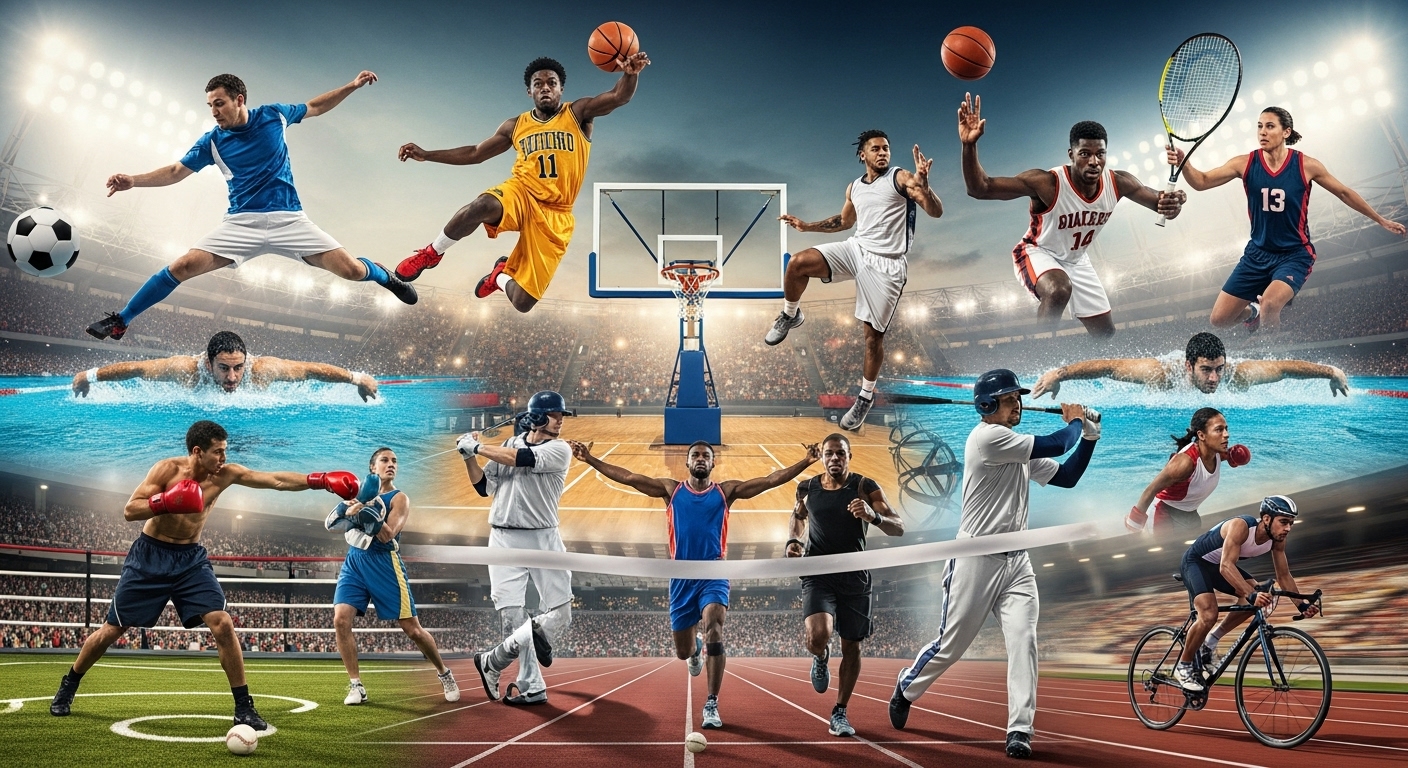
Sports have long been more than just a form of recreation or entertainment. They represent a universal language that transcends borders, cultures, and generations. The significance of sports goes far beyond the competition; they act as a powerful tool for personal development, community building, and even social change. This blog post will explore the far-reaching impact of sports, highlighting how they foster personal growth, promote teamwork, bring people together, and drive social progress.
The Role of Sports in Shaping Personal Development
Sports have always played a pivotal role in shaping individuals, influencing their mindset, character, and approach to life. From childhood to adulthood, participation in sports teaches valuable lessons that transcend the confines of the game itself.
Building Discipline and Consistency
One of the most important lessons sports offer is discipline. Athletes are taught early on the importance of consistent effort, hard work, and the need for sacrifice. Whether it’s waking up early for practice, adhering to a strict training schedule, or following specific dietary and lifestyle guidelines, sports instill the value of hard work. These habits not only improve athletic performance but also become ingrained in everyday life. The ability to adhere to a set routine, focus on long-term goals, and delay gratification are lessons that extend far beyond sports and can be applied in all aspects of life.
Developing Resilience and Mental Toughness
In sports, setbacks are inevitable. Injuries, losses, and failures are all part of the journey. However, these challenges are often the moments that teach the greatest lessons. Through sports, athletes learn how to deal with adversity, handle failure with grace, and bounce back stronger. This resilience is a key life skill, as it empowers individuals to navigate life’s ups and downs with confidence. Mental toughness, developed through the rigors of competition, enables individuals to stay focused and maintain a positive mindset even in the face of challenges.
Time Management and Prioritization
Athletes, especially those who balance sports with academics or work, often become masters of time management. Whether it’s juggling training, competitions, school, or work commitments, sports require individuals to prioritize tasks and manage their time effectively. The ability to organize one’s day, set goals, and balance various responsibilities is a skill that sports teach in abundance. This valuable trait is especially beneficial in professional life, where individuals must often juggle multiple projects and deadlines.
Teamwork: The Heartbeat of Sports
While individual sports like tennis or athletics may focus on personal achievement, most team sports, such as football, basketball, and rugby, emphasize the importance of collaboration. The true power of sports often lies in the bonds forged between teammates, as they work together toward a shared goal.
Trust and Communication
Team sports teach the importance of trust—trusting that your teammates will do their part, and that together, the team can accomplish more than any individual could alone. Communication is another key aspect of effective teamwork. On the field, effective communication can be the difference between success and failure. Whether it’s making the perfect pass, calling for help, or offering encouragement, the ability to communicate clearly and effectively is essential in sports and is a skill that transfers into personal and professional relationships.
Learning Cooperation and Mutual Respect
Team sports are a melting pot of diverse individuals, often from different backgrounds, cultures, and skill levels. This diversity can pose challenges, but it also offers a unique opportunity to learn how to cooperate with people who may have different viewpoints or working styles. In the process, athletes develop mutual respect for each other’s strengths and contributions to the team. This respect is crucial not only in sports but also in the workplace and in life.
Leadership Development
In sports, leadership is not always about being the captain. Leadership can come in many forms—leading by example, motivating others, or offering strategic advice during a crucial moment. Sports provide ample opportunities for individuals to step into leadership roles and learn how to guide others. The ability to inspire and lead a team toward victory is a skill that has far-reaching implications, from corporate leadership to community involvement.
Sports as a Catalyst for Social Change
Beyond personal development and teamwork, sports also serve as a platform for social change. Athletes have often used their influence to bring attention to critical issues, challenge the status quo, and inspire change in society.
Breaking Down Racial and Cultural Barriers
Sports have historically played a central role in breaking down racial, cultural, and gender barriers. One of the most notable examples is Jackie Robinson, who became the first African American to play in Major League Baseball in 1947. His courage and perseverance in the face of intense racial prejudice paved the way for greater racial integration in sports and beyond. Similarly, sports icons like Muhammad Ali and Billie Jean King have used their platforms to challenge societal norms and fight for civil rights and gender equality.
Promoting Gender Equality
In recent years, sports have become a critical arena for the advancement of gender equality. Women’s sports, which were once underfunded and overlooked, have gained significant visibility and respect. The achievements of athletes like Serena Williams in tennis, Simone Biles in gymnastics, and the U.S. Women’s National Soccer Team have brought attention to the gender disparity that still exists in many sports. These athletes, and many others, continue to push for equal pay, equal opportunities, and the recognition that women deserve in the world of sports.
Fostering Global Unity
International sporting events like the Olympics and the FIFA World Cup showcase the power of sports to bring nations together. Regardless of political differences, sports provide a platform for countries to unite in friendly competition. The Olympic Games, in particular, are a celebration of diversity and unity, where athletes from all over the world come together to compete, share experiences, and promote peace. The power of sports to transcend geopolitical boundaries is one of its most remarkable aspects.
The Economic and Cultural Impact of Sports
Sports also have a profound impact on the economy and culture of countries around the world. From the local level to the global stage, sports fuel industries, generate billions of dollars in revenue, and shape the cultural landscape.
Sports as an Economic Engine
The sports industry is a multi-billion-dollar global enterprise, encompassing everything from professional leagues to grassroots sports programs. Television rights, merchandise sales, sponsorships, and ticket revenues all contribute to the financial impact of sports. Cities and countries that host major events often see significant economic benefits through tourism, infrastructure development, and job creation. The economic power of sports can transform cities, providing a platform for businesses to thrive while creating lasting legacies for future generations.
The Power of Sports Media
Sports media plays a critical role in the global popularity of sports. Television networks, streaming services, and social media platforms bring sports to millions of fans worldwide. The widespread broadcast of sporting events allows fans to connect with their favorite teams and athletes, regardless of their location. The power of sports media has transformed athletes into global icons, and sports have become a central part of global pop culture.
Sports and Cultural Identity
For many people, sports are a reflection of cultural identity. Whether it’s football in Brazil, cricket in India, or rugby in New Zealand, sports often serve as a point of pride and a means of expression for entire communities and nations. The passion, energy, and enthusiasm displayed by fans during sporting events often reflect deep-seated cultural values and traditions. In this way, sports offer an opportunity to connect with one’s heritage and to celebrate cultural identity on the global stage.
The Emotional Power of Sports: Entertainment and Beyond
For fans, sports are more than just games—they are an emotional rollercoaster. The highs of victory and the lows of defeat are experienced intensely, often creating lifelong memories and connections.
The Thrill of Competition
The excitement of watching a live sports event is unparalleled. The unpredictable nature of sports, the nail-biting finishes, and the sheer unpredictability of the outcome create an atmosphere of excitement and anticipation. Fans invest emotionally in the success of their teams, celebrating victories as if they were their own and sharing in the collective heartbreak of losses. Sports stir up deep emotions and forge bonds between fans, creating a sense of community and belonging.
Sports as a Source of Escape
For many people, sports offer a temporary escape from the stresses and challenges of daily life. Watching a favorite team play or playing a sport oneself can be a form of catharsis. It provides an opportunity to disconnect from work, personal issues, or the pressures of life and to focus entirely on the game. This sense of escapism is a vital aspect of sports’ appeal, offering fans and participants alike a mental break and a chance to recharge.
Conclusion: The Enduring Legacy of Sports
Sports have a unique and enduring impact on individuals, communities, and society as a whole. They are much more than a source of entertainment—they are a vehicle for personal development, social change, cultural expression, and global unity. Whether it’s the life lessons learned from training, the sense of camaraderie forged through teamwork, or the passion sparked by the thrill of competition, sports offer something that goes far beyond the field or court.
As we continue to move forward in a rapidly changing world, sports will remain an integral part of human culture, providing inspiration, joy, and a sense of belonging to millions of people worldwide. Whether you’re a player, a coach, or a fan, the impact of sports will continue to shape our lives in profound and meaningful ways.