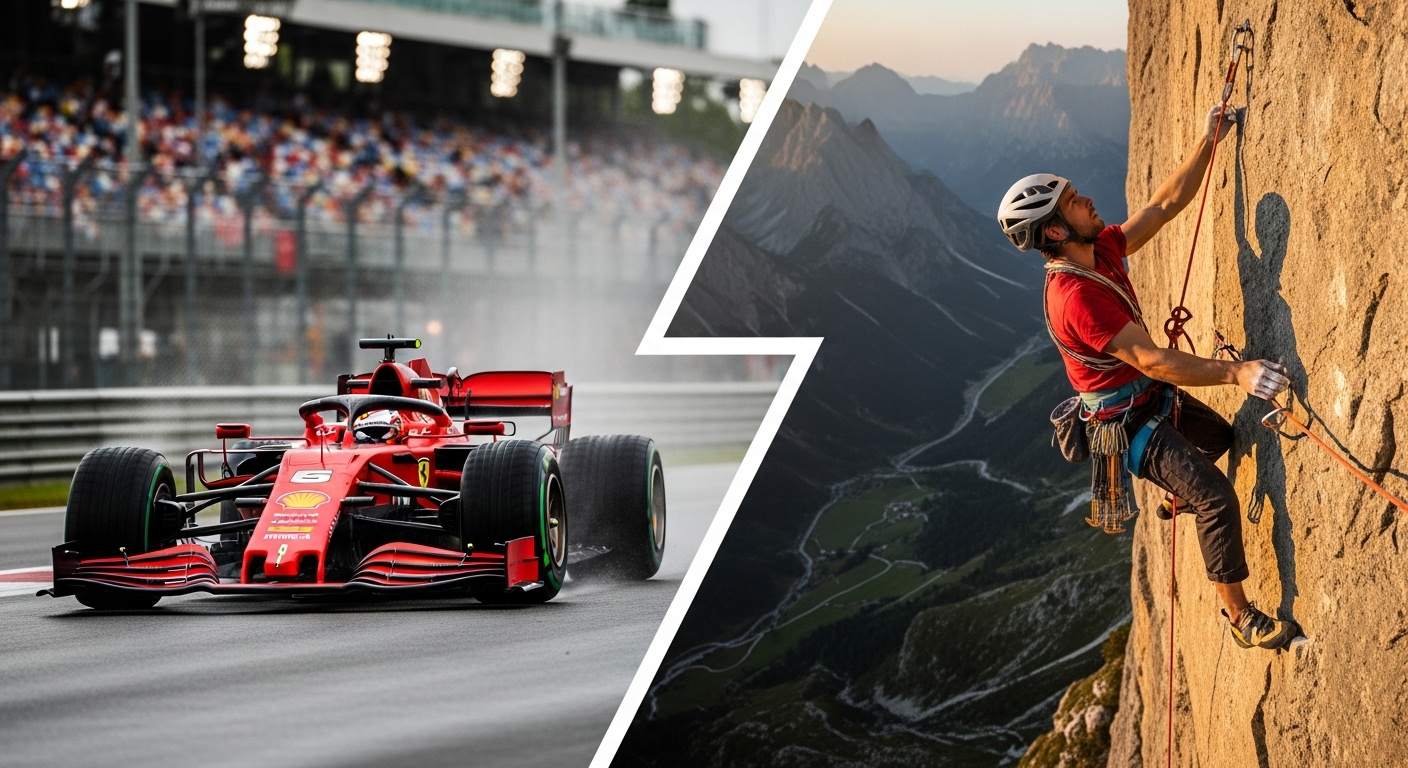
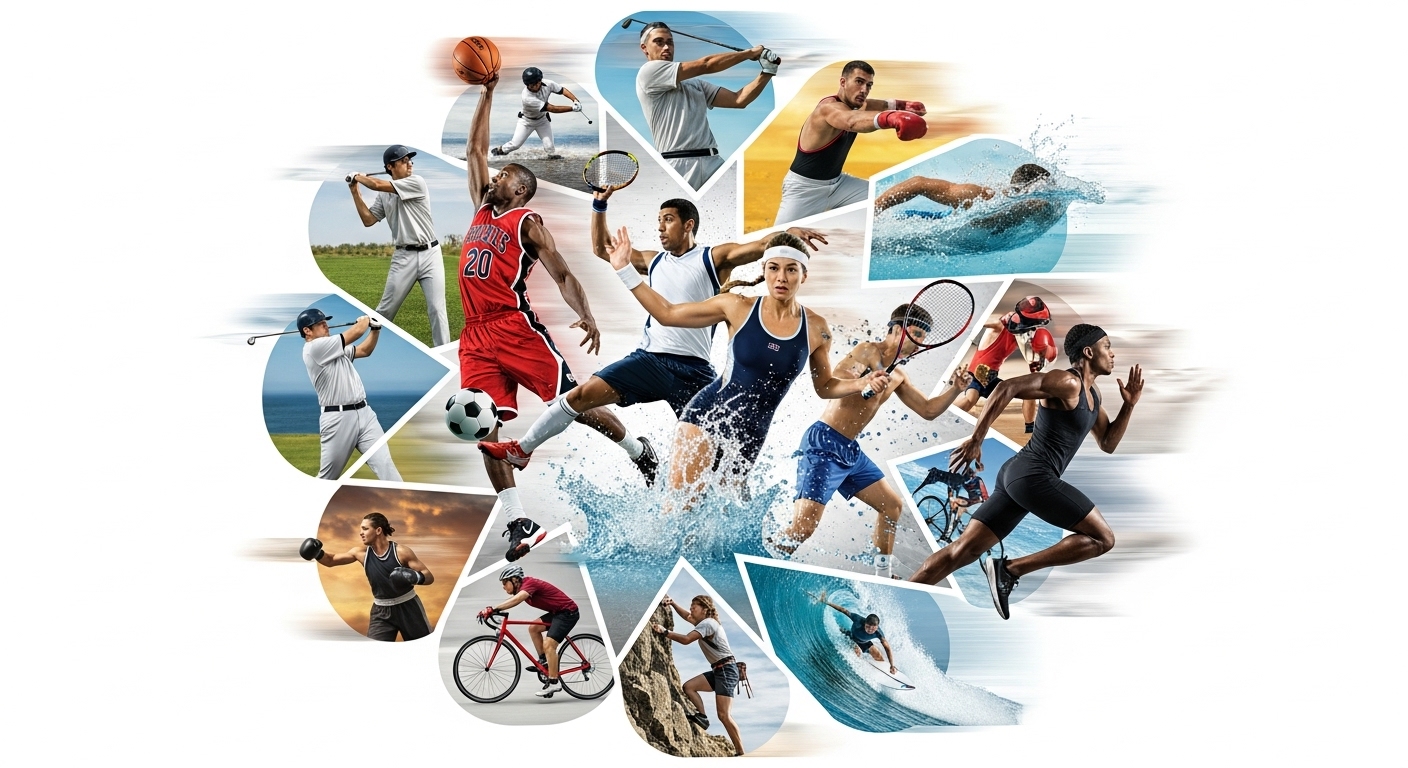
Sports are often seen through a narrow lens: entertainment, competition, and exercise. While these are valid aspects, there’s a much deeper and more profound impact that sports have on individuals and society. From fostering discipline and teamwork to building mental resilience, sports play an essential role in shaping well-rounded individuals. This blog post aims to explore the often-overlooked influence of sports, shedding light on how they are far more than just a physical activity.
The Foundation of Teamwork and Communication
In any sport, whether it’s a team game like soccer or a more individual challenge such as tennis, communication is key. Athletes learn to interact with teammates, coaches, and even opponents in ways that foster respect and understanding. In team-based sports, players must rely on each other, trust one another, and continuously improve their ability to work together.
This sense of teamwork doesn’t just stay on the field or court; it translates into real-life situations. The collaborative skills learned in sports often help individuals in their careers and personal relationships. Whether negotiating a project at work or collaborating in a community initiative, the teamwork honed through sports becomes an asset in various spheres of life.
Discipline and Focus: The Hidden Curriculum
One of the strongest benefits of sports is the discipline it instills. Athletes learn the importance of setting goals, maintaining a rigorous routine, and pushing their limits. The repetitive nature of practice, the sacrifices made for success, and the delayed gratification of achieving a goal teach individuals valuable life lessons.
More than just a physical workout, sports help develop mental discipline. Athletes must focus on strategy, anticipate challenges, and control their emotions—skills that help them thrive not only in sports but in any demanding environment. This discipline and focus become second nature, empowering individuals to tackle challenges head-on and stay persistent, no matter how difficult the task may seem.
Building Resilience Through Losses and Wins
Winning is thrilling, but it’s the losses that truly shape an athlete’s character. Sports teach individuals how to handle disappointment and use setbacks as motivation for future success. Whether it’s a missed penalty kick, a final-set tiebreaker lost, or a season full of injuries, athletes experience failure repeatedly. However, it’s how they respond to these losses that matters the most.
Resilience is a skill that can be built in no other way than through experience. Sports force individuals to learn how to get up after being knocked down, to find strength in the face of adversity, and to remain determined even when things aren’t going in their favor. These qualities go beyond the game, providing athletes with the mental toughness needed to face life’s challenges with a balanced perspective.
The Psychological Benefits of Sports: A Mental Health Booster
In recent years, there has been a growing understanding of the connection between physical activity and mental well-being. Regular participation in sports has been linked to reductions in stress, anxiety, and depression. When we engage in physical activity, our bodies release endorphins—natural mood boosters—that help alleviate feelings of sadness and anxiety.
Moreover, sports provide a sense of belonging and purpose. For many, joining a sports team creates a tight-knit community, offering social support and helping combat loneliness. This psychological connection is especially crucial for young people who may be dealing with societal pressures or personal challenges. A sports team can offer a safe space for expression, fostering self-esteem and mental resilience in a way few other activities can match.
The Global Impact: Uniting Communities
Sports have the power to bridge cultural and social divides, uniting people from different backgrounds. Whether it’s the global spectacle of the Olympic Games or a local charity match, sports have an innate ability to bring individuals together for a common cause. In countries with deep political or social rifts, sports often provide a neutral ground where diverse groups can connect, communicate, and collaborate.
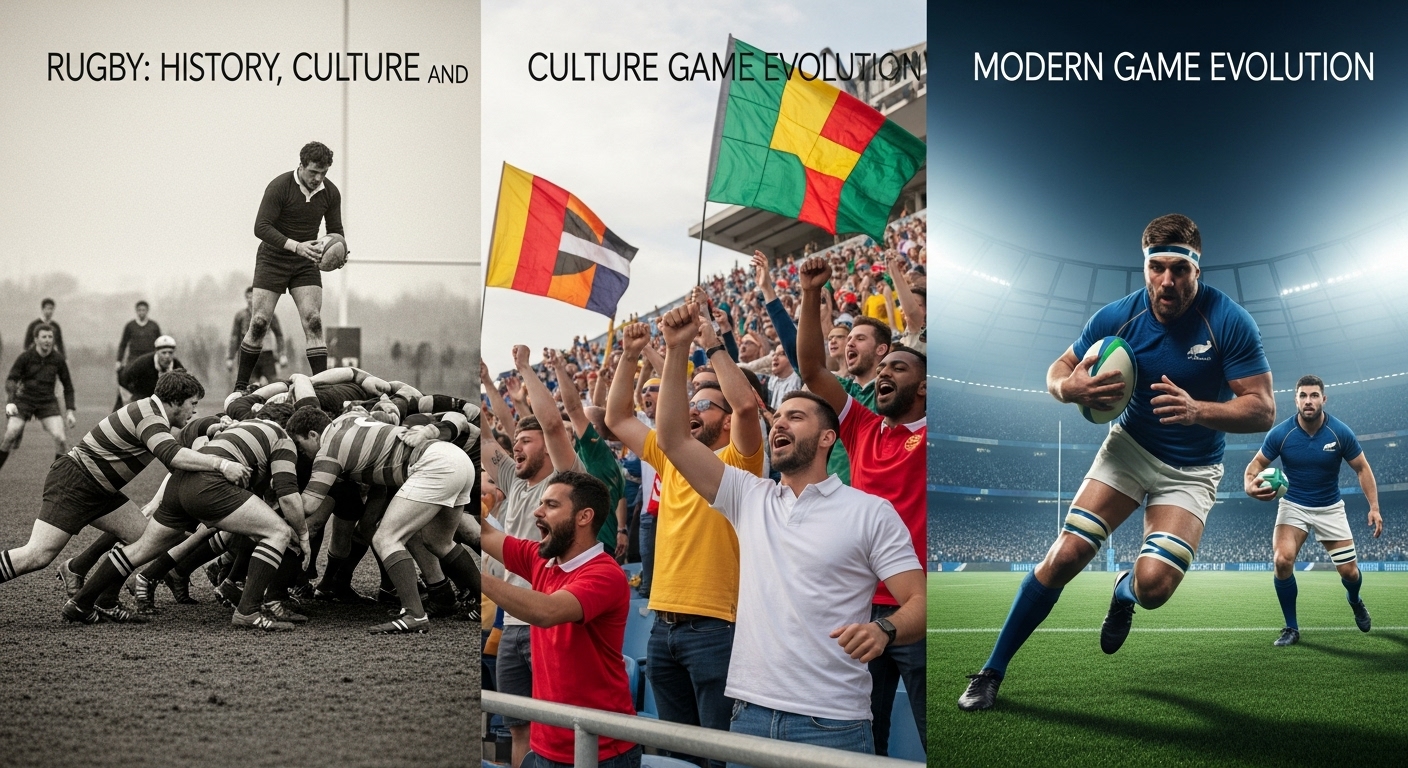
Take, for example, the role of sports in post-apartheid South Africa. Nelson Mandela famously used rugby as a vehicle for unity, understanding that sports could play a role in healing a divided nation. The symbolic victory of the 1995 Rugby World Cup, in which South Africa won their first world title as a unified team, remains a powerful reminder of sports’ capacity to create social change.
Conclusion: Sports as a Life-Changing Tool
Sports are undeniably more than just physical contests. They are powerful tools for personal growth, community building, and mental well-being. From the discipline learned through practice to the resilience gained from setbacks, the benefits of sports extend far beyond the game itself. Whether played for fun or at a competitive level, sports offer lessons that can shape a person’s character, enrich their mental health, and provide a sense of purpose. So, the next time you watch a game or participate in one, remember that it’s not just about the score—it’s about everything that happens in between.