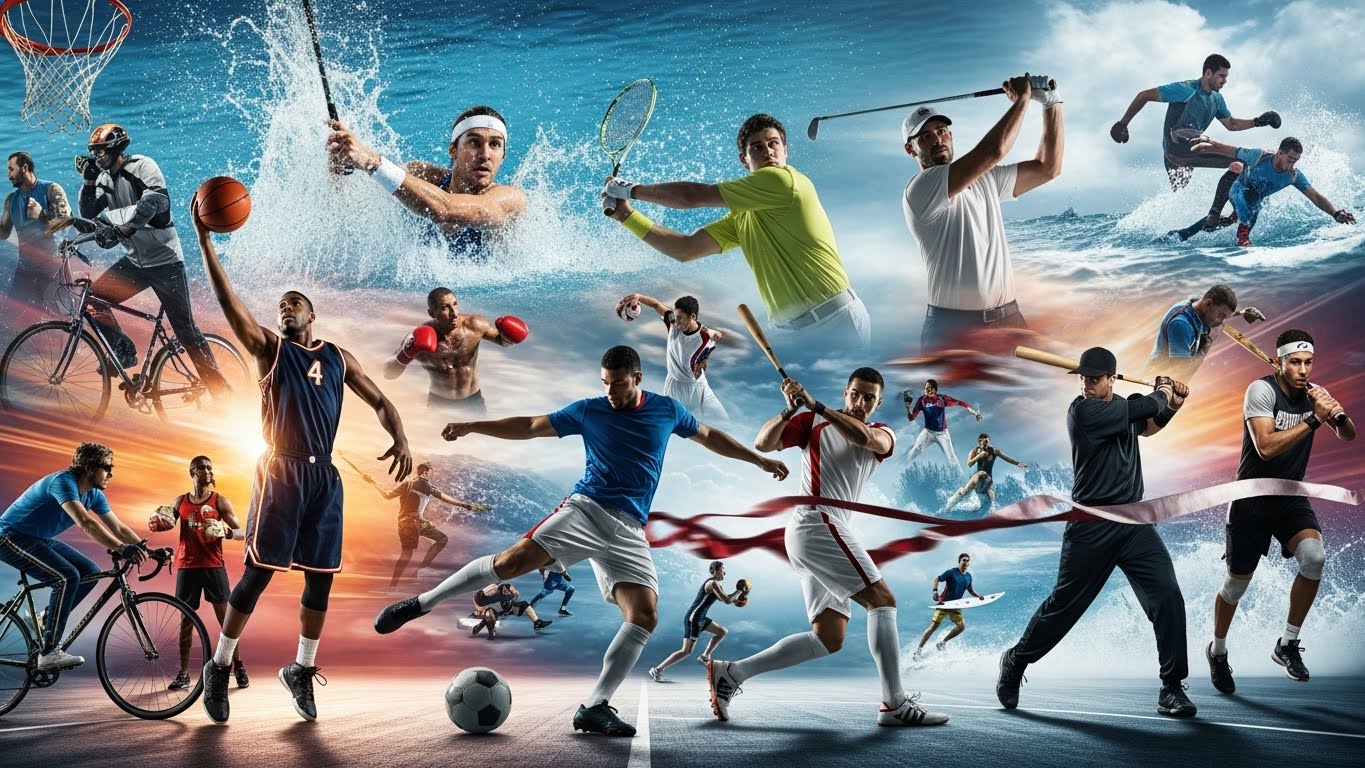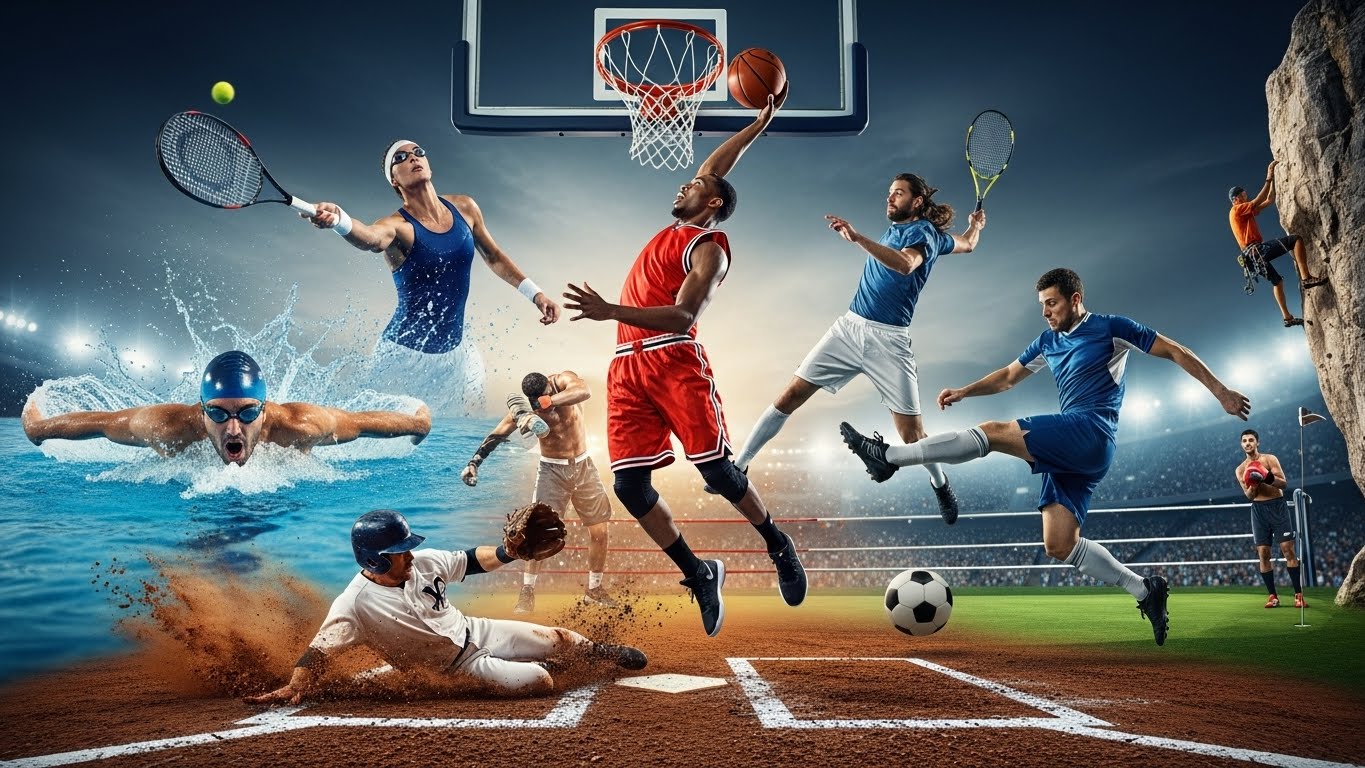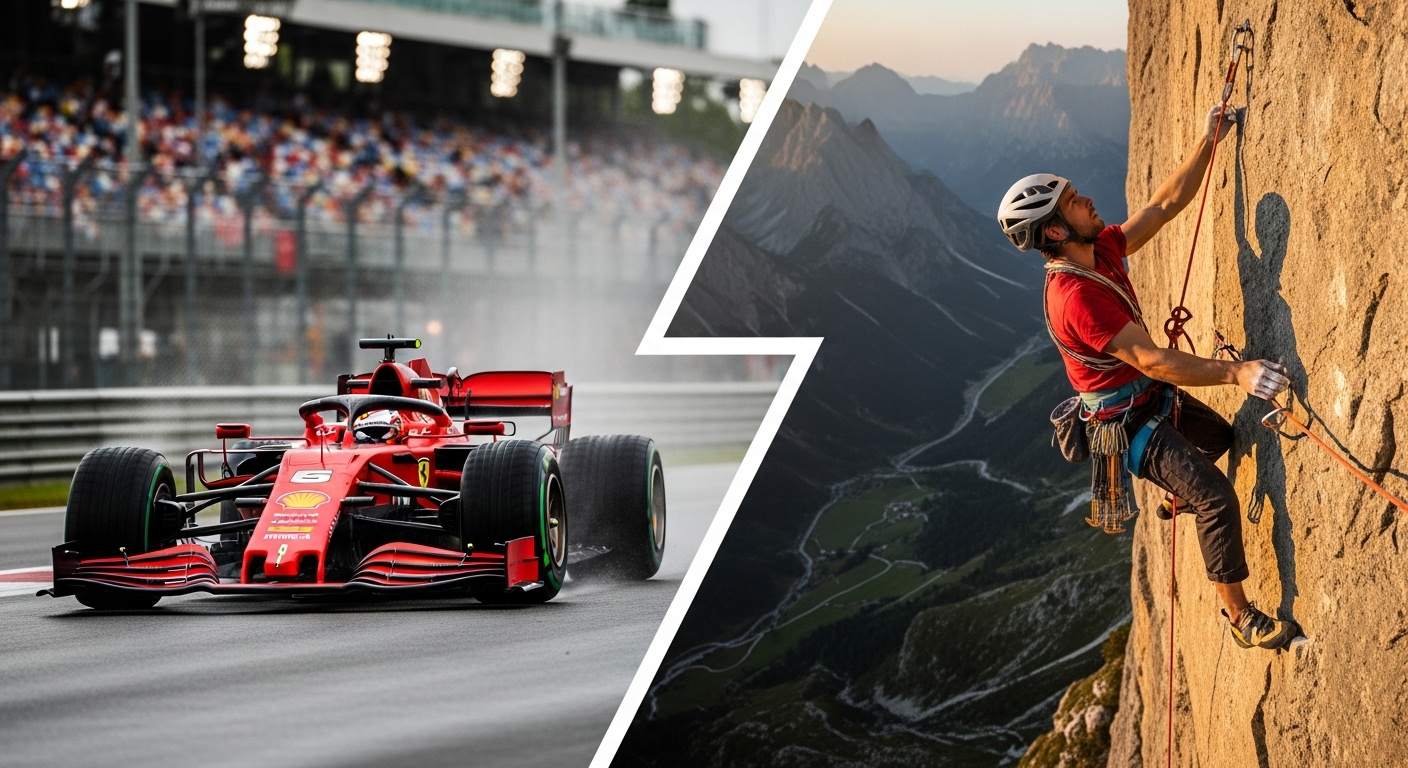

Sports are often seen as the ultimate display of physical prowess and competition, an arena where only the strongest and fastest rise to the top. But while the games themselves grab the spotlight, sports have a far-reaching influence on our lives that goes well beyond the field. From fostering community unity to shaping personal development and impacting global culture, sports touch every corner of society in ways we may not even realize. Let’s take a deeper dive into how sports influence our lives, both on and off the field.
The Power of Unity in Sports
One of the most profound impacts sports have is their ability to unite people from all walks of life. Whether it’s a local high school game, the Olympics, or a World Cup final, sports have a remarkable power to bring people together. Nationalities, languages, and cultures may differ, but the love for the game transcends all boundaries.
Sports create a common ground for people to connect, share in the excitement, and build relationships. A soccer match between rival countries can evoke deep patriotism, but also serves as a reminder of our shared humanity. In times of celebration or defeat, fans and players alike experience a collective emotion that fosters a sense of belonging and solidarity.
The unifying nature of sports can also be seen in how teams bring communities together. Sports teams often represent entire regions, and the success or failure of a team can become a symbol of local pride. In smaller towns or neighborhoods, local sports provide a way for people to interact and connect, fostering relationships that go beyond the game itself.
Sports and Personal Growth: More Than Just Winning
While it’s easy to focus on the success and competition inherent in sports, the personal growth athletes experience is often more significant than the accolades they win. For those who participate in sports, the lessons learned extend far beyond improving physical skills.
Discipline, perseverance, teamwork, and resilience are just a few of the values athletes cultivate through sports. These traits have a profound impact on a person’s life, shaping their behavior both on and off the field. Whether it’s the dedication to practice, the ability to bounce back from a tough loss, or working together with others toward a common goal, sports teach invaluable life lessons.
For children and young adults, participating in sports can help develop leadership skills, boost self-esteem, and foster confidence. These qualities often translate to success in other areas of life, whether in school, at work, or in personal relationships.
The Economic Impact of Sports
Sports are not only about individual achievements or the spirit of competition; they also play a massive role in the economy. Professional sports leagues, international tournaments, and local games generate billions of dollars in revenue every year. The economic benefits extend beyond ticket sales and broadcasting rights to areas like tourism, merchandise, and sponsorships.
Consider the tourism impact of major sporting events. Events like the Olympics, the FIFA World Cup, or Super Bowl often lead to a surge in tourism as fans flock to host cities, spending money on accommodations, food, and entertainment. This influx of spending creates jobs, stimulates the local economy, and leaves a lasting legacy in the host country or city.
Local sports teams also contribute to economic development. Small towns with active sports communities see increased business activity on game days, while sports facilities in larger cities can become key drivers of growth. By investing in sports infrastructure, communities can benefit from long-term economic gains, as venues often host concerts, conventions, and other events in addition to athletic competitions.
The Global Influence: Sports as a Cultural Language
Sports have a way of transcending cultural and linguistic barriers. Around the world, the excitement surrounding the Olympics or the FIFA World Cup creates a shared global experience. People from different continents and backgrounds come together to celebrate, compete, and appreciate the skill and dedication that athletes put into their craft.
In countries where political or social tensions may exist, sports offer a neutral platform for competition and peace-building. For example, when South Africa hosted the 1995 Rugby World Cup, the event became a powerful symbol of reconciliation post-apartheid. Nelson Mandela’s support for the national team and his role in promoting unity through sports is a lasting testament to the potential of sports as a tool for peace and diplomacy.
Moreover, the influence of sports in shaping global culture cannot be overstated. From the fashion and music tied to sports teams to the way athletes are revered as celebrities, the impact of sports on pop culture is undeniable. Athletes like Michael Jordan, Serena Williams, and Cristiano Ronaldo have become global icons, influencing everything from fashion to advertising and beyond.
Sports and Social Change: Pushing for Equality
Sports have long been at the forefront of social change. Athletes have used their platform to fight for racial equality, gender rights, and other social justice issues. The actions of sports figures like Muhammad Ali, Jackie Robinson, Billie Jean King, and Colin Kaepernick have sparked conversations and driven movements that have changed the way we view social issues.
In the case of women’s sports, there has been a significant push for equal pay and recognition. Title IX in the United States, for example, was a landmark piece of legislation that created greater opportunities for women in sports and education. Today, women’s sports continue to gain visibility, with athletes like Megan Rapinoe, Naomi Osaka, and Simone Biles advocating for gender equality both on and off the field.
Sports, therefore, act as a microcosm for society at large. The way athletes and teams address inequality, diversity, and human rights sends a message that resonates beyond the game. The courage and visibility of athletes using sports as a platform for change continue to inspire people around the world.
Conclusion: The Lasting Legacy of Sports
In conclusion, sports are far more than just a game. They play an integral role in shaping cultures, uniting communities, influencing economies, and even driving social change. Whether you are an athlete, a fan, or a casual observer, the ripple effects of sports can be felt in all aspects of life. The lessons learned, the emotions experienced, and the connections made through sports have the power to leave a lasting legacy, one that continues to influence our lives long after the final whistle blows.
Sports, in their purest form, are a celebration of human potential—showcasing not only the strength and skill of the body but also the resilience and unity of the human spirit.