
Introduction: The Universality of Sports
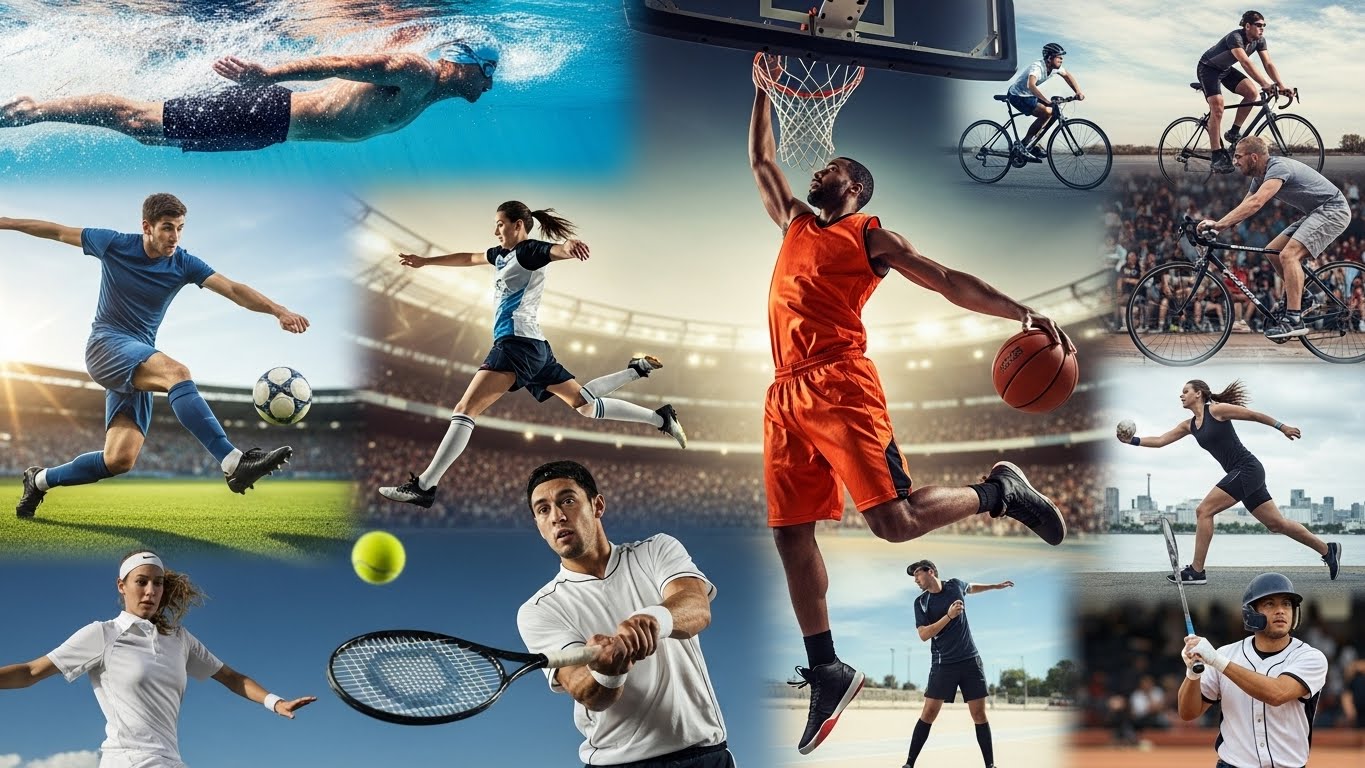
Sports are more than just a pastime; they are a global language that unites people across cultures, races, and backgrounds. Whether it’s a local football match or an Olympic event, sports have the ability to bring people together, foster community, and create unforgettable moments. Beyond the thrill of victory or the agony of defeat, sports shape our lives in profound ways. In this post, we’ll explore how sports influence our personal development, our health, and the world at large.
Sports and Personal Growth: Building Character Through Play
One of the most significant impacts sports have is on personal growth. The values instilled in athletes—perseverance, discipline, teamwork, and leadership—extend far beyond the game. Whether you’re competing at a professional level or playing in a weekend league, sports provide a unique environment for learning life lessons.
Discipline is one of the core principles taught through sports. Athletes train for hours, refine their skills, and push their limits to improve. This commitment to personal growth and consistent effort translates into other areas of life, whether in the workplace or in personal relationships. Sports also teach resilience, as players learn to cope with both wins and losses. The ability to handle setbacks, stay motivated, and come back stronger is a valuable skill that can be applied in any part of life.
Health and Fitness: The Physical Benefits of Sports
It’s no secret that playing sports is one of the best ways to stay fit and healthy. Regular participation in physical activity is crucial for cardiovascular health, muscle development, and maintaining a healthy weight. Engaging in sports also enhances flexibility, balance, and coordination. These physical benefits are essential, especially as we navigate the sedentary lifestyle that many modern jobs require.
But beyond the physical, sports also have a significant impact on mental health. Physical activity releases endorphins, which help reduce stress and improve mood. For many, sports provide an outlet to clear the mind and escape the pressures of daily life. Whether it’s the focus needed for a tennis match or the team camaraderie of a football game, sports can improve overall mental well-being, helping to fight off anxiety and depression.
Teamwork and Communication: The Social Skills Learned Through Sports
While individual sports have their own benefits, team sports are an incredible training ground for learning the value of collaboration, communication, and trust. Playing in a team requires individuals to work toward a common goal, often putting aside personal interests for the good of the team. Whether it’s passing the ball at the right moment, coordinating plays, or supporting a teammate in need, sports teach the importance of effective communication.
Teamwork doesn’t just apply to sports; it’s a skill that is highly valued in any professional or social setting. Learning how to function in a team environment, how to lead and follow, and how to resolve conflicts, are invaluable skills that can make a significant difference in both personal and professional lives.
Inspiration and Motivation: The Power of Athletes
Athletes are often seen as role models and sources of inspiration. The dedication, hard work, and perseverance required to reach the top of any sport can motivate individuals to push beyond their own limits. Iconic athletes like Michael Jordan, Serena Williams, and Usain Bolt have not only achieved greatness in their respective fields but have become symbols of determination, resilience, and success.
For many people, watching their favorite athlete overcome adversity or reach an incredible milestone provides the push they need to pursue their own goals. Sports have the unique ability to spark passion and ambition in individuals, motivating them to chase their dreams and work toward success—whether in the context of sports or any other endeavor.
Sports as Entertainment: The Global Phenomenon
For millions of people around the world, sports are a form of entertainment. Whether it’s watching a local match or a global event like the World Cup or the Olympics, the excitement of watching athletes compete on a grand stage is unparalleled. Sports provide a narrative that’s often more compelling than fiction—complete with heroes, underdogs, triumphs, and heartbreaks.
The global nature of sports means that people from different corners of the world can bond over shared passions. A football match in Brazil, a cricket game in India, or a rugby match in New Zealand can unite people, creating a sense of collective identity and pride. Major sporting events often transcend the game itself, with fans celebrating together, sharing experiences, and creating memories that last a lifetime.
Sports and Technology: The Modern Evolution
As technology continues to advance, it has become deeply integrated into the world of sports. From data analytics to wearable devices, technology is changing how we train, play, and even watch sports. Athletes now use advanced equipment to monitor their performance in real time, adjusting techniques based on data that was once only accessible to professionals.
Technology has also enhanced the spectator experience. Virtual reality (VR) and augmented reality (AR) are beginning to provide fans with immersive experiences, allowing them to feel as though they’re right in the middle of the action. Innovations like instant replay and video assistant referees (VAR) have made sports fairer by improving decision-making and ensuring that the rules are upheld. In the future, sports may continue to evolve with advancements in artificial intelligence, biomechanics, and even robotics, pushing the boundaries of what’s possible both on and off the field.
The Cultural Impact of Sports: Uniting People Worldwide
Sports have always been a reflection of culture, but today, they play a central role in shaping national and global identities. The pride a nation feels for its athletes during international competitions is powerful, uniting people from all walks of life. Sports give individuals a way to express their national identity and foster a sense of belonging, regardless of socioeconomic status, education, or background.
Cultural events like the FIFA World Cup or the Olympic Games are more than just competitions—they are global celebrations that bring together diverse cultures in mutual respect and admiration. These events transcend politics, religion, and race, demonstrating the unifying power of sports. The ability of sports to break down barriers and create global connections is a testament to their enduring cultural significance.
Conclusion: The Endless Impact of Sports
Sports offer far more than entertainment; they shape our character, improve our health, and unite people in ways that few other experiences can. They teach us important life lessons such as teamwork, discipline, and resilience, while also providing an outlet for stress and a platform for inspiration. From the professional athlete to the weekend warrior, the benefits of sports are vast and far-reaching.
As we look to the future, it’s clear that sports will continue to play a pivotal role in society. With technology advancing and new forms of entertainment emerging, the way we engage with sports will evolve. However, one thing will remain constant—the power of sports to bring people together, challenge our limits, and inspire greatness.