Sports have always played an important role in human history, both as a form of entertainment and as a means of personal and societal growth. The appeal of sports spans across cultures and generations, transcending language barriers, and connecting people from all walks of life. Whether through physical competition, social engagement, or cultural significance, sports have the power to transform lives, build communities, and promote well-being on a global scale.
In this blog post, we will explore the many ways in which sports impact our physical health, mental resilience, social connections, and even global diplomacy. We will also highlight the importance of sports in developing character and how they contribute to personal and societal progress. By examining the diverse aspects of sports, it becomes clear that their influence goes far beyond just the field of play.
1. The Physical Benefits of Sports: Health and Fitness in Action
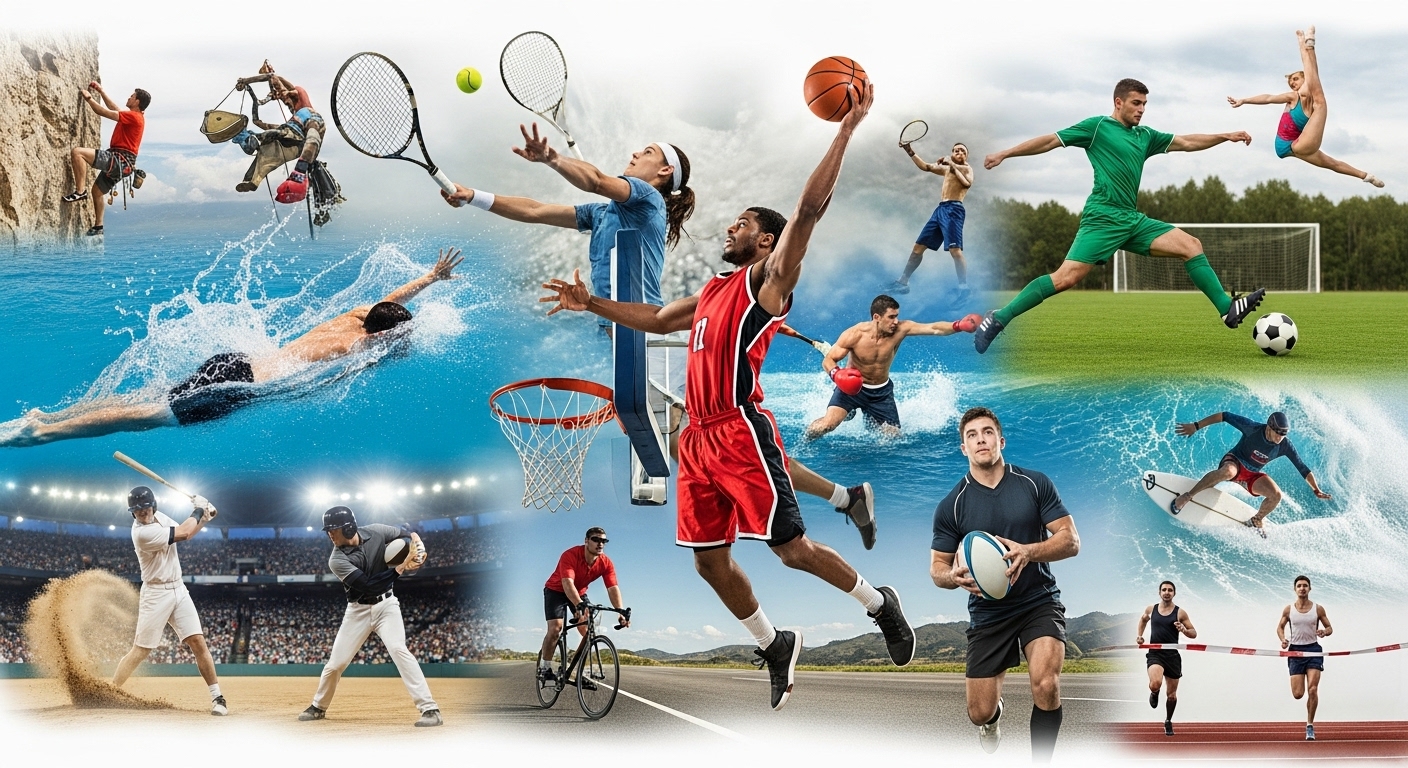
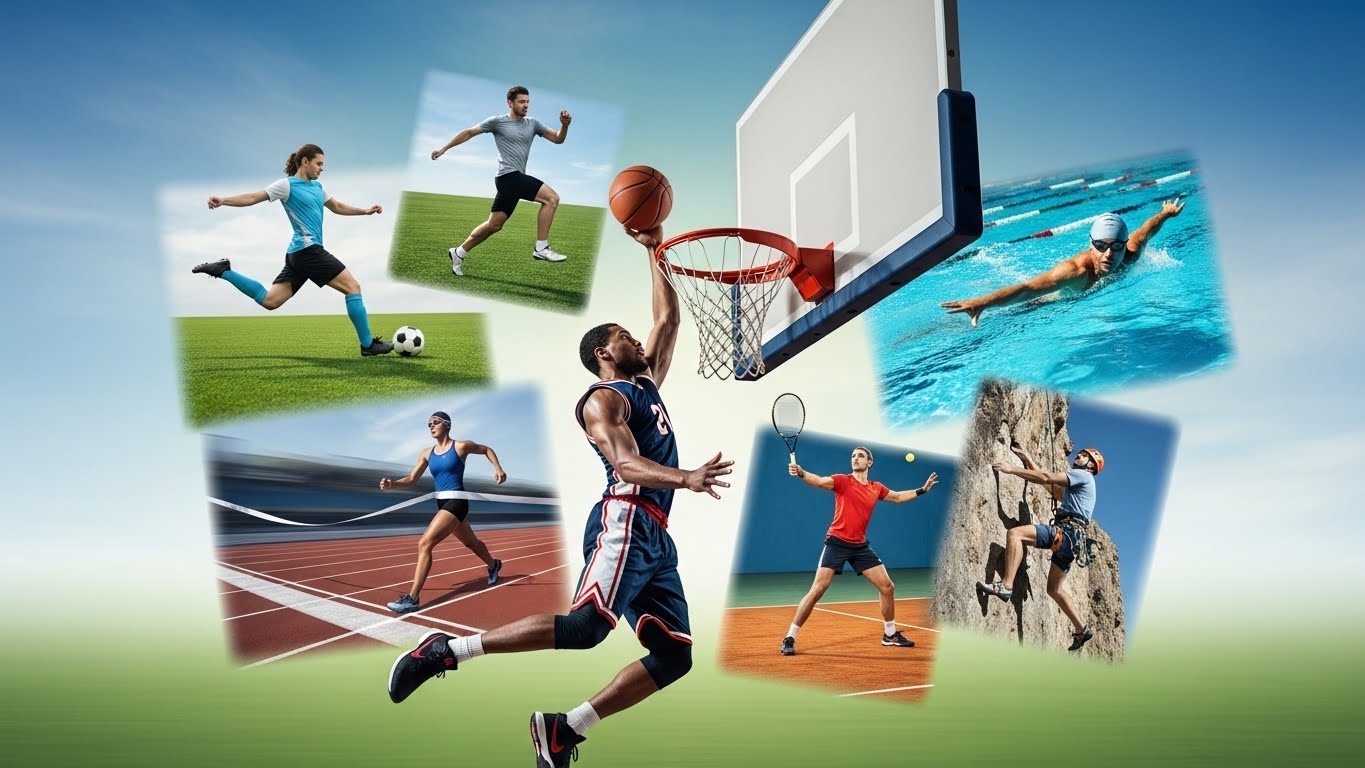
One of the most obvious and widely recognized benefits of sports is the positive impact they have on physical health. Regular physical activity is crucial for maintaining overall well-being, and engaging in sports provides an enjoyable and structured way to stay fit. Sports such as running, swimming, cycling, football, basketball, and tennis offer cardiovascular, muscular, and endurance benefits that help strengthen the body and improve overall health.
When people engage in sports, they are not only burning calories and improving their cardiovascular fitness but also enhancing their flexibility, strength, and coordination. These benefits contribute to better posture, increased energy levels, and a lower risk of developing chronic health conditions like obesity, diabetes, heart disease, and hypertension. Additionally, sports help improve bone density and joint mobility, which are essential as we age.
For young children, sports are especially important in promoting healthy development. Playing sports helps build strong bones and muscles, improves motor skills, and encourages healthy habits that can last a lifetime. For older adults, engaging in sports can slow down the natural decline in muscle mass, reduce the risk of osteoporosis, and promote better balance, which can help prevent falls. Simply put, sports are a cornerstone of a healthy lifestyle, regardless of age.
2. Mental Health and Sports: Boosting Mood and Resilience
In addition to the physical benefits, sports have a profound impact on mental health. Exercise, in general, is known to release endorphins—chemicals in the brain that act as natural mood boosters. When individuals engage in sports, the physical activity helps reduce stress, anxiety, and depression. Sports provide a healthy outlet for frustration and pent-up emotions, allowing participants to channel their energy into something productive and fulfilling.
The sense of accomplishment that comes from mastering a sport, improving personal performance, or contributing to a team’s success can significantly boost self-esteem and confidence. Moreover, sports provide an opportunity for individuals to set and achieve personal goals, which fosters a sense of purpose and motivation.
One of the most significant psychological benefits of sports is the development of resilience. In sports, athletes are frequently faced with setbacks, losses, and challenges. Learning how to overcome failure, handle pressure, and keep pushing forward builds emotional strength. For many individuals, these lessons learned in the context of sports translate into improved coping mechanisms for dealing with challenges in other areas of life, including work, relationships, and personal setbacks.
Participating in sports also promotes mindfulness and concentration, helping individuals stay focused and present in the moment. This ability to stay focused is valuable not only in sports but also in other aspects of life, such as school or work. Sports can serve as an effective stress management tool, providing a break from daily worries and allowing individuals to reconnect with themselves.
3. The Social Impact of Sports: Building Connections and Communities
Sports are inherently social activities, and one of their most important benefits is the way they help foster connections among people. From local recreational leagues to global sporting events, sports bring individuals together in a shared experience, providing opportunities to build friendships, networks, and communities.
Team sports, in particular, emphasize collaboration and communication. Players must work together toward a common goal, which helps them develop a sense of unity and belonging. Whether it’s the camaraderie between teammates or the mutual respect shared among competitors, sports create an environment where individuals from different backgrounds and walks of life can come together and build relationships.
For children and young adults, sports provide a valuable opportunity for socialization. Participation in team sports offers an outlet for making new friends and learning important life skills like teamwork, leadership, and conflict resolution. Through shared experiences, sports also provide a sense of community and belonging, which is crucial in building self-esteem and social confidence.
In many cultures, sports serve as a form of collective identity. Local sports teams can bring entire neighborhoods or cities together, creating a sense of pride and shared purpose. The emotional highs and lows that fans experience during a game—cheering for a victory or mourning a loss—foster a deep sense of community. In this sense, sports have the ability to transcend individualism and create solidarity within groups, whether at a small local level or a global scale.
4. Sports and Character Development: Shaping Individuals for Success
Beyond physical and social benefits, sports play a significant role in character development. Whether you’re an athlete striving to improve your performance or a fan rooting for your team, sports teach essential life skills that contribute to personal growth.
Sports teach discipline. Success in sports requires consistent effort, hard work, and a commitment to practice. Whether it’s a daily workout routine, honing specific techniques, or recovering from an injury, athletes learn the importance of perseverance and diligence. This discipline often extends beyond the playing field and influences other areas of life, including career success, academic performance, and personal relationships.
Sports also instill values of teamwork, collaboration, and leadership. In team sports, athletes must rely on each other to succeed, which teaches them the importance of trust, communication, and mutual support. Athletes learn to share responsibility, provide encouragement, and lift others up during challenging moments. These experiences develop leadership skills and prepare individuals to take on roles of responsibility in other settings, such as in the workplace or within their communities.
Furthermore, sports teach athletes how to manage both success and failure. In every sport, there are moments of triumph and defeat. Winning teaches athletes how to handle achievement gracefully, while losing teaches resilience, humility, and the drive to improve. These experiences are crucial for personal development, as they help individuals grow emotionally and psychologically.
5. The Global Role of Sports: Diplomacy and Unity
While sports may seem to be just a form of entertainment or competition, they also play a powerful role in global diplomacy and peace-building. Through sports, countries can engage in friendly competition that fosters goodwill and mutual understanding, even in the face of political tension.
Historically, sports have been used as a diplomatic tool to break down barriers between countries. One of the most famous examples of this is the 1971 “Ping-Pong Diplomacy,” which involved a series of table tennis matches between American and Chinese players. This event helped pave the way for the normalization of relations between the two countries, demonstrating how sports can serve as a bridge for international dialogue.
Global sporting events like the Olympics, the FIFA World Cup, and the Rugby World Cup bring together athletes from all over the world, promoting the values of unity, fair play, and respect. These events provide a platform for countries to showcase their culture, talent, and pride while fostering cross-cultural exchange. They create a sense of shared humanity, where differences in politics, language, and geography are set aside in favor of celebration, competition, and sportsmanship.
Moreover, the ability of sports to promote inclusivity and diversity cannot be understated. The rise of women’s sports, the increased representation of athletes from diverse backgrounds, and the inclusion of athletes with disabilities in international competitions all highlight how sports are breaking down social barriers and promoting equality. These advances help shape a more inclusive world where everyone, regardless of gender, race, or ability, can participate in and benefit from the world of sports.
6. Sports as a Pathway to Opportunity
For many, sports are more than just a hobby—they represent a pathway to greater opportunities in life. Many professional athletes have used their talents to secure scholarships, gain access to world-class education, and build successful careers. This is especially true for athletes from underserved communities, where sports can offer a route out of poverty and provide the resources to succeed in other areas of life.
In addition to providing educational opportunities, sports can serve as a launching pad for professional careers. From athletes to coaches, broadcasters, trainers, and sports administrators, the sports industry offers numerous career paths that require talent, dedication, and hard work. For young people with dreams of becoming professional athletes, the journey to success often begins in local leagues, high school teams, and college programs. For many, sports are not just a way to stay fit—they represent a dream of reaching the highest levels of achievement and recognition.
Conclusion: The Lasting Impact of Sports
In the end, sports are far more than just games. They are powerful vehicles for personal development, social cohesion, and global connection. The impact of sports on individuals, communities, and societies is immeasurable, from fostering physical health to building mental resilience, promoting teamwork, and contributing to cultural exchange. Sports unite us in ways that words alone cannot, and they serve as a reminder of our shared humanity. Whether played professionally or for fun, sports are an integral part of life that continue to shape and enrich the world we live in.