
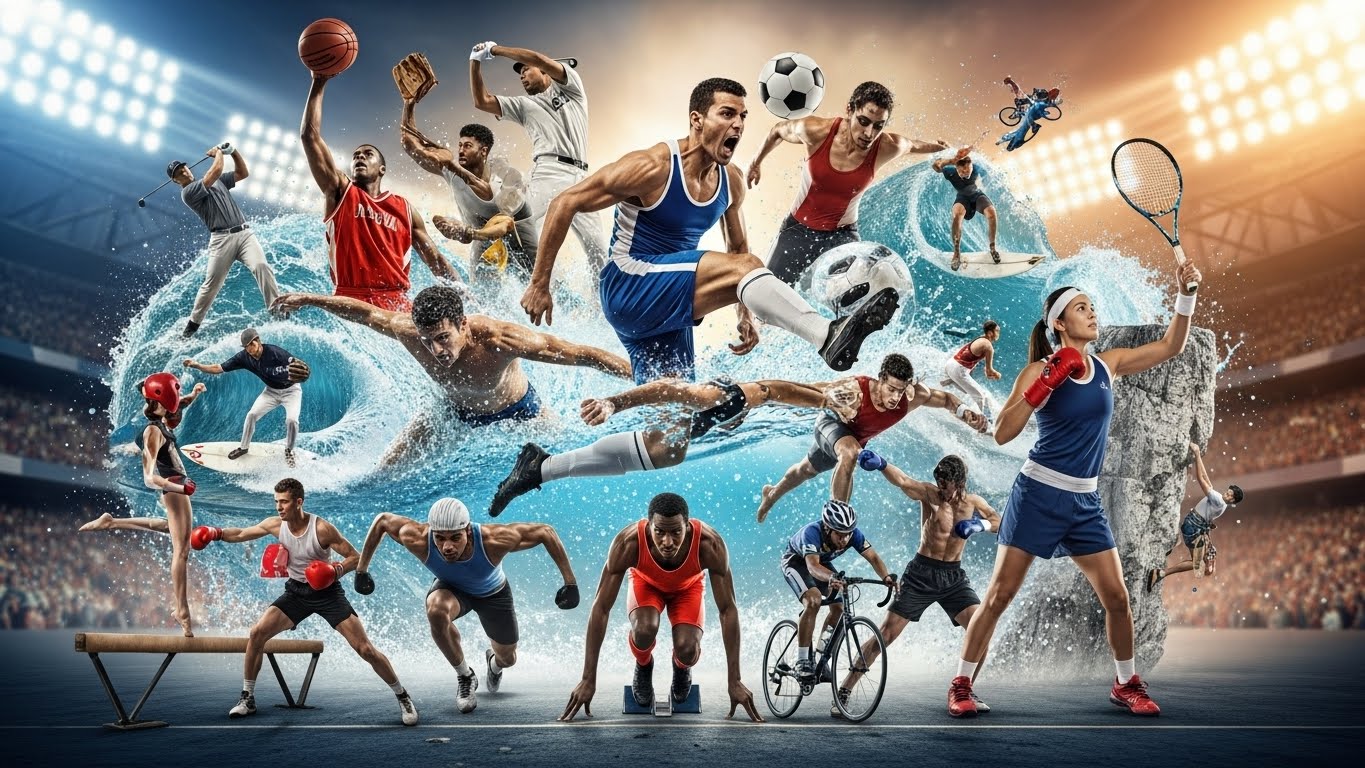
Sports are far more than mere games. They are a reflection of human ambition, resilience, and creativity. From ancient civilizations to modern society, sports have served as a universal medium for expression, competition, and cultural identity. They bring people together, teach critical life lessons, and inspire personal growth. This blog explores the multifaceted world of sports, from the mental and physical benefits to the societal impact and future of athletic competition.
The Universal Appeal of Sports
Sports have an unparalleled ability to connect people across cultures, languages, and generations. Whether it’s a child kicking a ball in the neighborhood, a local marathon, or a global championship, the essence of sports lies in movement, effort, and competition. Fans and athletes alike experience a unique emotional connection, where victories and losses create shared stories that resonate deeply.
The universality of sports is one of its most powerful attributes. It transcends socioeconomic and geographic boundaries, making it an essential part of human culture. Sporting events often become cultural milestones, drawing people together to celebrate, cheer, or even console each other after a tough loss. This shared experience builds empathy, understanding, and community.
The Role of Sports in Personal Development
Participation in sports is closely linked to personal growth. Beyond physical fitness, sports teach discipline, perseverance, teamwork, and time management. Athletes learn to set goals, overcome challenges, and handle both success and failure with grace. The lessons learned on the field often translate into real-life skills, helping individuals navigate professional and personal challenges.
Sports also foster confidence. Achieving a personal best or mastering a new skill reinforces self-belief and determination. Even small accomplishments can create a sense of achievement that motivates continued growth. For young athletes, this sense of progress is crucial in shaping character and instilling resilience that lasts a lifetime.
Mental Strength and Sports
While physical ability is important, mental strength is often the differentiating factor in sports. Athletes must maintain focus under pressure, make quick decisions, and adapt to unexpected situations. The mental discipline cultivated in sports helps individuals develop problem-solving skills, emotional regulation, and the ability to handle stress.
In recent years, mental health in sports has received much-needed attention. Athletes openly discussing anxiety, burnout, and mental struggles have inspired a cultural shift, emphasizing that mental well-being is just as crucial as physical training. This focus on psychological resilience ensures that athletes are not only stronger competitors but also healthier individuals.
Technology and Sports Performance
Advancements in technology have revolutionized the way sports are played, trained for, and analyzed. Wearable devices, performance tracking apps, and biomechanical analysis have become integral tools for modern athletes. These innovations help refine techniques, optimize training schedules, and prevent injuries.
Coaches now use data analytics to develop strategies, assess opponents, and improve team performance. Even amateur athletes can benefit from technological tools, gaining insights into their training that were once only accessible at professional levels. The marriage of technology and sports illustrates the ongoing evolution of human potential and how science can enhance natural ability.
The Importance of Youth Sports
Youth participation in sports offers long-term benefits, both physically and mentally. Children learn basic motor skills, coordination, and strength, while also developing essential social skills such as teamwork, communication, and leadership.
Moreover, youth sports teach valuable life lessons. Facing competition, handling defeat, and celebrating achievements all contribute to a child’s emotional and moral growth. Coaches and mentors play a crucial role, guiding young athletes with encouragement and structure, helping them develop not just as players but as well-rounded individuals.
Building Community Through Sports
Sports act as a social glue, fostering connections among individuals and communities. Local teams, school competitions, and city leagues become rallying points for neighborhoods, creating a shared identity. Even professional teams contribute to community pride, bringing people together in celebration of their collective culture and values.
Major sporting events often serve as cultural landmarks. They unite people from diverse backgrounds, encourage civic pride, and provide shared experiences that strengthen social bonds. In times of societal challenges or crises, sports can offer hope, distraction, and a sense of normalcy, highlighting their importance beyond entertainment.
Women in Sports: Breaking Barriers
The rise of women’s sports has reshaped athletic culture worldwide. Female athletes have shattered records, achieved international recognition, and become influential role models. Their achievements highlight the importance of representation and inspire younger generations to pursue their dreams without limits.
Women’s sports continue to grow in visibility, funding, and participation. The success of female athletes demonstrates that talent and determination are not constrained by gender. It also challenges traditional stereotypes and encourages societal change, making sports an important avenue for gender equality and empowerment.
Underdogs and the Spirit of Competition
One of the most compelling aspects of sports is the story of the underdog. When a lesser-known athlete or team rises against the odds, it captivates audiences and inspires millions. These narratives resonate because they mirror human struggles and aspirations, proving that determination and effort often surpass expectation.
Underdog stories teach lessons in resilience, grit, and the importance of believing in oneself. They remind fans and athletes alike that challenges are not roadblocks but opportunities to grow and excel. The excitement of witnessing a comeback or an unexpected victory reinforces why sports remain a source of fascination worldwide.
Sports as a Catalyst for Global Connection
Sports are increasingly globalized. Soccer, basketball, cricket, and athletics have fan bases spanning continents. International competitions allow athletes from different backgrounds to compete while promoting cultural exchange.
Global sporting events also foster mutual respect and understanding, as athletes and fans celebrate diversity. The universal nature of competition provides a common language that transcends political, linguistic, and cultural barriers, emphasizing the unifying power of sports.
Health Benefits Beyond Competition
Regular participation in sports enhances both physical and mental health. Cardiovascular fitness, muscle strength, flexibility, and endurance improve through consistent activity. Sports also reduce stress, increase energy levels, and improve sleep quality.
Mental health benefits include improved mood, reduced anxiety, and enhanced cognitive function. Sports provide an outlet for stress relief, social interaction, and personal challenge, making them a holistic approach to well-being. These benefits extend beyond professional athletes, impacting anyone who engages in physical activity regularly.
The Future of Sports
The future of sports promises continued innovation and inclusivity. Virtual reality, artificial intelligence, and data-driven coaching will redefine training, performance, and fan engagement. New formats of competition will emerge to attract younger audiences, while traditional sports maintain their timeless appeal.
Inclusivity will remain a critical focus, ensuring access for all genders, abilities, and socioeconomic backgrounds. As technology and societal values evolve, sports will continue to reflect cultural trends and human aspirations, remaining a vital part of communities worldwide.
Conclusion: The Enduring Power of Sports
Sports are more than scores and championships. They are lessons in discipline, resilience, and teamwork. They are engines for community, culture, and connection. They inspire individuals to strive for greatness and remind us of the potential within ourselves and others.
Whether as an athlete, a fan, or an observer, engaging with sports enriches life in countless ways. They challenge us physically, mentally, and emotionally, encouraging growth, perseverance, and empathy. In a world of constant change, sports remain a timeless testament to human spirit and ambition, proving that greatness is never limited to the scoreboard.