Introduction
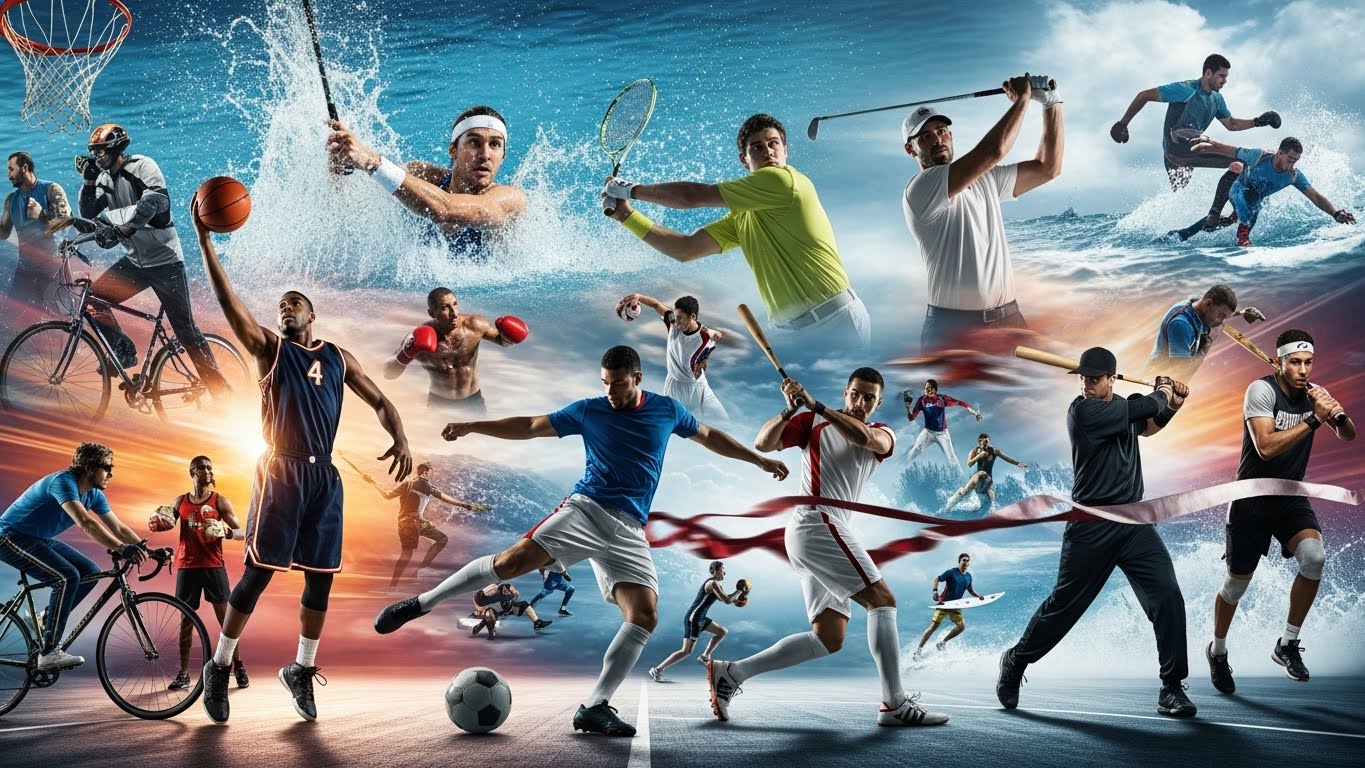
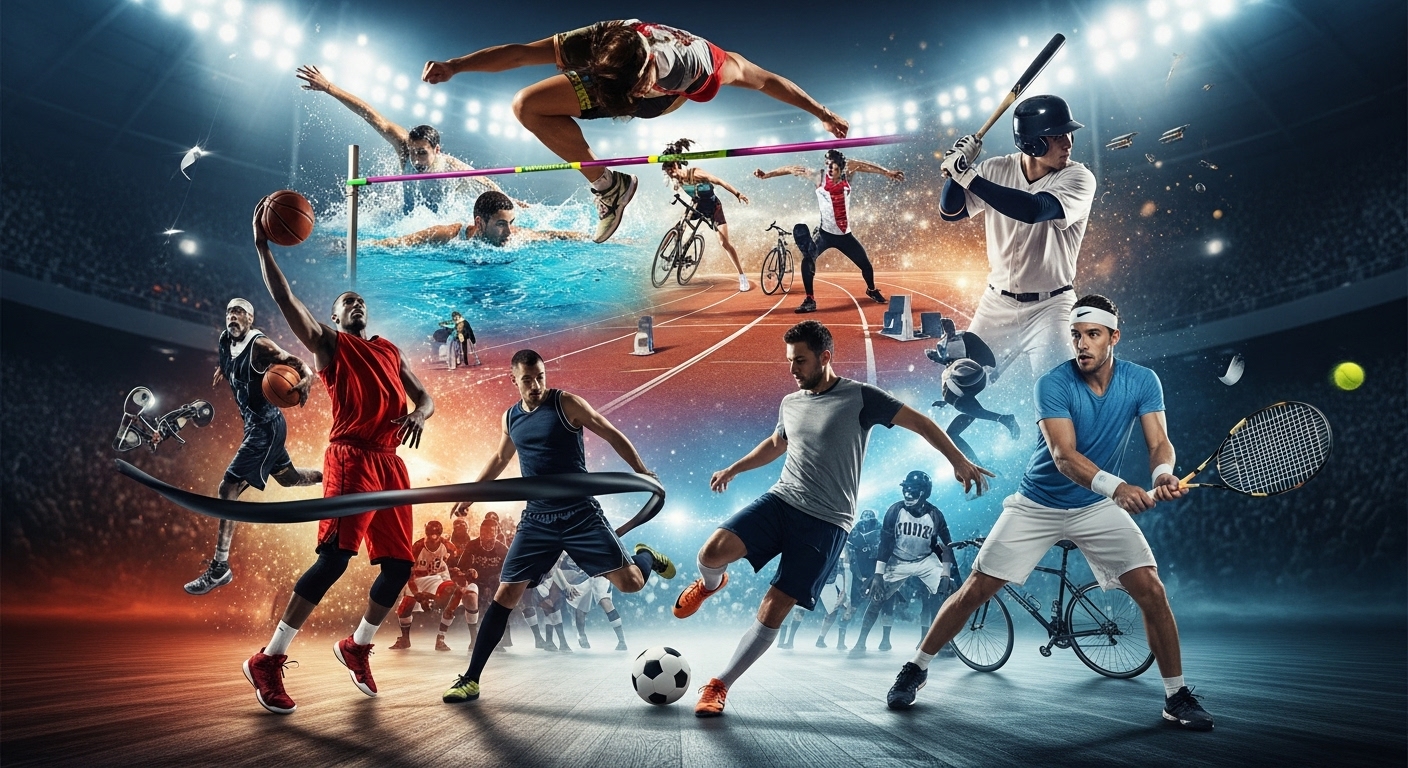
Sports have been an essential part of human society for centuries, transcending age, culture, and geography. From the athletic contests of ancient civilizations to the high-tech professional leagues of today, sports have evolved into a powerful medium for entertainment, personal growth, and social cohesion. Participation in sports offers more than physical activity—it nurtures discipline, resilience, teamwork, and leadership. At the same time, sports serve as a unifying force, inspiring communities, fostering national pride, and promoting cultural exchange.
The Historical Roots of Sports
The history of sports stretches back thousands of years. Ancient civilizations recognized the value of physical competition for entertainment, ritual, and societal cohesion. The Ancient Greeks, for example, organized the Olympic Games to honor their gods while promoting physical excellence. Similarly, civilizations in China, India, Egypt, and Mesoamerica developed games that reflected cultural values, social hierarchy, and communal identity.
As societies evolved, so did sports. Medieval tournaments and jousts tested strength and skill, while indigenous games across the globe reflected local traditions and societal norms. This rich history demonstrates that sports are more than pastimes—they are a reflection of human ingenuity, culture, and the desire for personal and collective achievement.
Physical Benefits of Sports
One of the most immediate benefits of participating in sports is improved physical health. Engaging in regular athletic activity strengthens muscles, enhances cardiovascular health, increases flexibility, and improves coordination. Sports also help manage weight, reduce the risk of chronic illnesses, and enhance overall longevity.
Each type of sport develops specific physical skills. Soccer improves endurance and agility, basketball strengthens reflexes and coordination, and swimming builds cardiovascular and muscular strength. Beyond general fitness, sports teach participants to understand their bodies, develop discipline, and maintain a healthy lifestyle that extends far beyond the playing field.
Mental and Emotional Advantages
Sports are as much mental as they are physical. Athletes must think strategically, make split-second decisions, and adapt to changing circumstances. Participation in sports enhances concentration, memory, and problem-solving skills while promoting mental resilience.
Emotionally, sports help reduce stress, anxiety, and depression by releasing endorphins and providing an outlet for competitive energy. Achieving goals, overcoming setbacks, and experiencing the thrill of victory contribute to improved self-esteem and emotional balance. Team sports, in particular, teach empathy, cooperation, and communication skills, shaping well-rounded individuals who can handle challenges both on and off the field.
Sports as a Tool for Personal Development
Sports cultivate qualities that extend beyond the field. Discipline, time management, goal-setting, and perseverance are all fundamental aspects of athletic participation. Athletes learn to push their limits, embrace challenges, and maintain focus on long-term objectives.
Leadership and teamwork are also developed through sports. Players learn to motivate others, delegate responsibilities, and collaborate effectively to achieve shared goals. These life skills are transferable, benefiting education, careers, and personal relationships. Sports provide a structured environment for individuals to grow and develop holistically.
Social Impact of Sports
Sports have an unparalleled ability to bring people together. Communities gather to watch local matches, celebrate victories, and rally around teams. Sporting events foster a sense of belonging and pride, connecting individuals through shared experiences and collective enthusiasm.
At a broader level, sports serve as a platform for social change. Athletes often use their influence to advocate for equality, justice, and humanitarian causes. Events like the Olympics and World Cup promote international understanding and cultural exchange. Sports unite people across divisions, demonstrating the power of shared passion to overcome differences.
Professional Sports and Economic Significance
Professional sports have grown into a multibillion-dollar industry, generating revenue through ticket sales, broadcasting rights, merchandise, and sponsorships. Major sporting events stimulate local economies by boosting tourism, infrastructure, and business activity.
Athletes become influential public figures, inspiring millions of fans worldwide. Beyond the players themselves, sports create opportunities for coaches, analysts, broadcasters, marketers, and support staff, contributing to employment and economic development. Professional sports illustrate how passion, talent, and organization intersect to produce a thriving industry with global impact.
Sports in Education
Educational institutions recognize the value of sports for student development. Schools and universities provide athletic programs that teach discipline, teamwork, leadership, and time management. Participation in sports complements academic learning, promoting holistic growth.
Scholarships and competitive programs incentivize excellence and offer opportunities for students to pursue higher education. Sports also foster school spirit and engagement, encouraging students to take pride in their institutions. By integrating sports into education, institutions help nurture healthier, more confident, and socially responsible individuals.
Women in Sports: Breaking Barriers
The rise of women in sports has transformed the landscape of athletic participation. Female athletes now compete at professional and international levels, challenging historical gender stereotypes and inspiring future generations.
Women’s sports contribute to equality, representation, and cultural change. Increased visibility of female athletes encourages participation across all age groups and demographics, ensuring that sports become more inclusive and empowering for everyone. The success of women in sports demonstrates that talent, dedication, and resilience are universal qualities, irrespective of gender.
Global Influence of Sports
Sports are a universal language that transcends cultural and linguistic barriers. International events like the Olympics, FIFA World Cup, and Commonwealth Games unite people worldwide, celebrating talent, discipline, and achievement. Fans from diverse backgrounds share the excitement of victory, the tension of competition, and the drama of unexpected outcomes.
Sports also influence culture beyond the field. They inspire art, music, fashion, and media, creating narratives that resonate with human experiences of struggle, triumph, and teamwork. Athletic achievements often become part of a collective memory, shaping traditions, identity, and cultural pride.
Technological Advancements in Sports
Technology has revolutionized sports in many ways. Wearable devices, performance tracking, and analytics provide athletes with insights to optimize performance, prevent injuries, and recover efficiently. Video replay and instant analysis enhance the fairness and excitement of competitions.
Broadcasting innovations, including live streaming and immersive virtual experiences, allow fans to engage with sports like never before. Artificial intelligence and data analysis help teams develop strategies, scout talent, and predict outcomes. Technology has not only elevated the quality of sports but also transformed how athletes and fans interact with competitions.
Sports and Health Promotion
Sports are central to public health initiatives. Governments and organizations use sports programs to encourage physical activity, reduce sedentary behavior, and prevent lifestyle-related diseases. Youth programs, community leagues, and recreational events promote active living, wellness, and social inclusion.
Participation in sports fosters habits that enhance long-term health. Beyond physical benefits, engaging in sports creates opportunities for mental stimulation, social interaction, and emotional resilience, contributing to overall well-being.
The Psychological Thrill of Spectatorship
Watching sports is a deeply emotional and social experience. Fans experience excitement, tension, and elation as they follow teams and athletes. Spectator sports provide a sense of identity and community, connecting people through shared passions and stories.
Cheering for a team or country fosters loyalty, pride, and belonging. Memorable moments, rivalries, and records create narratives that resonate beyond the field. The psychological engagement of sports spectatorship demonstrates how athletic events influence culture, emotion, and social cohesion.
The Future of Sports
The future of sports is dynamic and inclusive. Emerging technologies such as virtual reality, augmented reality, and wearable analytics will transform training, competition, and fan experiences. Global connectivity will expand access to sports, allowing participation and viewership from remote locations.
Sports will continue to promote health, personal growth, social cohesion, and economic development. Integrating traditional and modern forms of sports, including digital competitions and esports, ensures that athletic engagement remains relevant and accessible. The evolution of sports guarantees that their role in society will remain significant for generations to come.
Conclusion
Sports are far more than games; they are a reflection of human ambition, culture, and community. They enhance physical health, build mental resilience, and teach essential life skills such as teamwork, leadership, and perseverance. On a societal level, sports unite people, promote cultural exchange, and drive economic growth.
From local playgrounds to international arenas, sports inspire, challenge, and connect humanity. They celebrate human potential, discipline, and the joy of achievement. As society evolves, sports will continue to play a vital role in shaping lives, communities, and cultures, reminding us that the power of athletic pursuit extends far beyond the game itself.