Introduction: The Universal Language of Sports
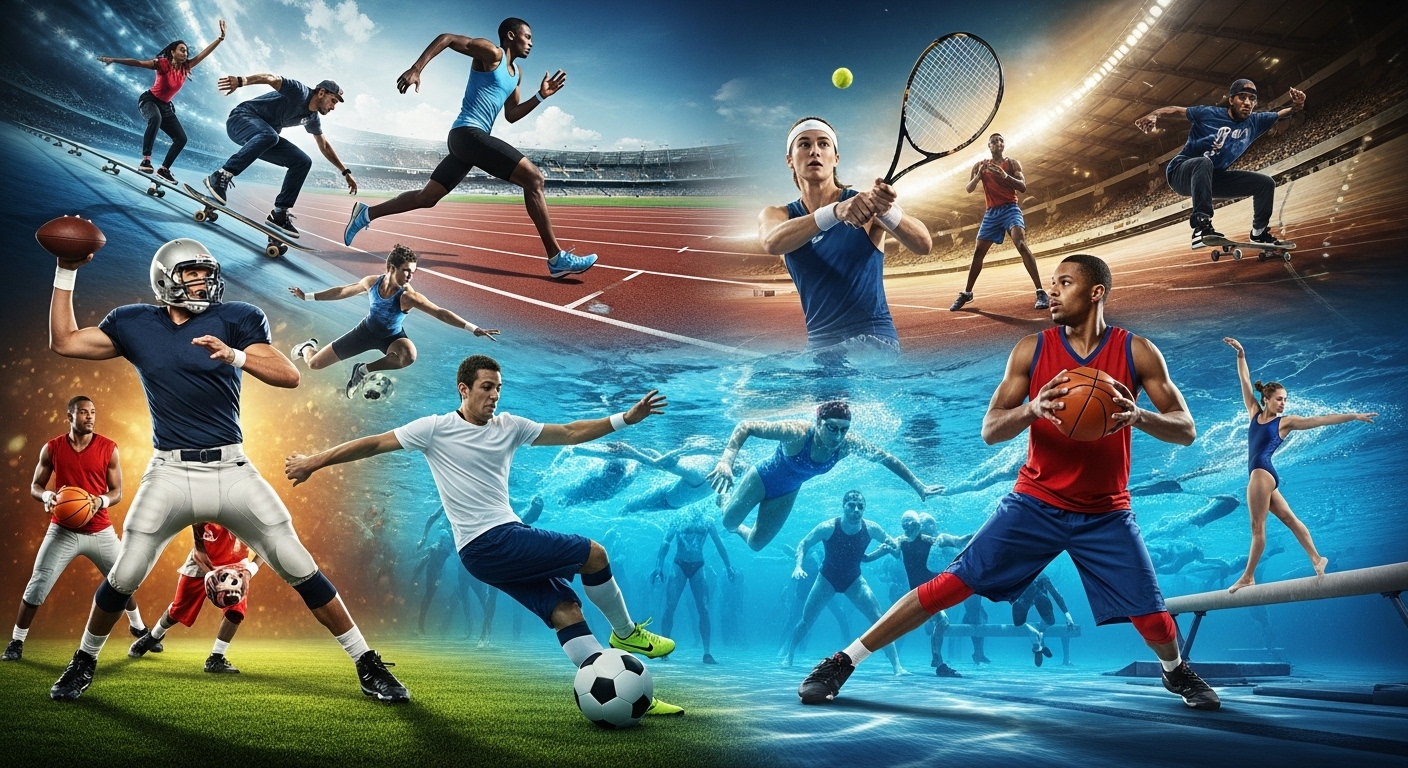
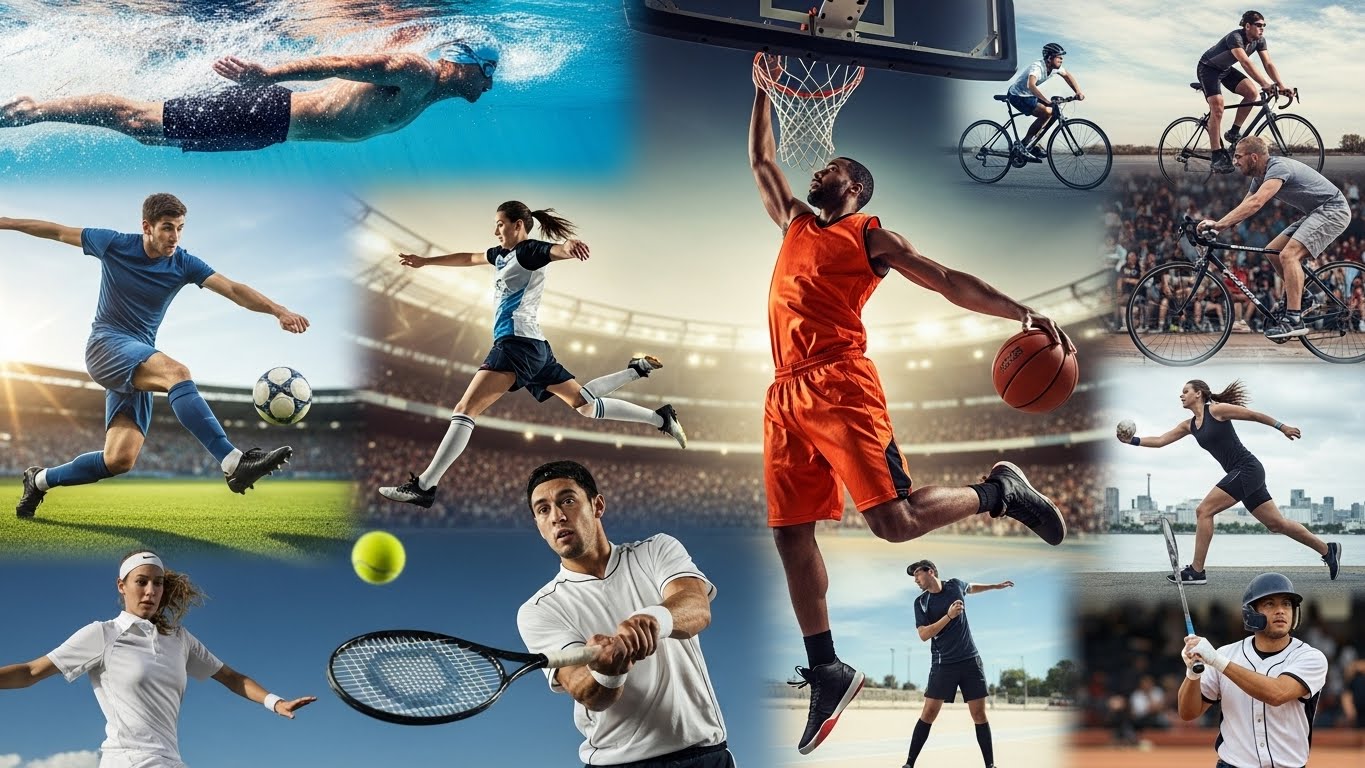
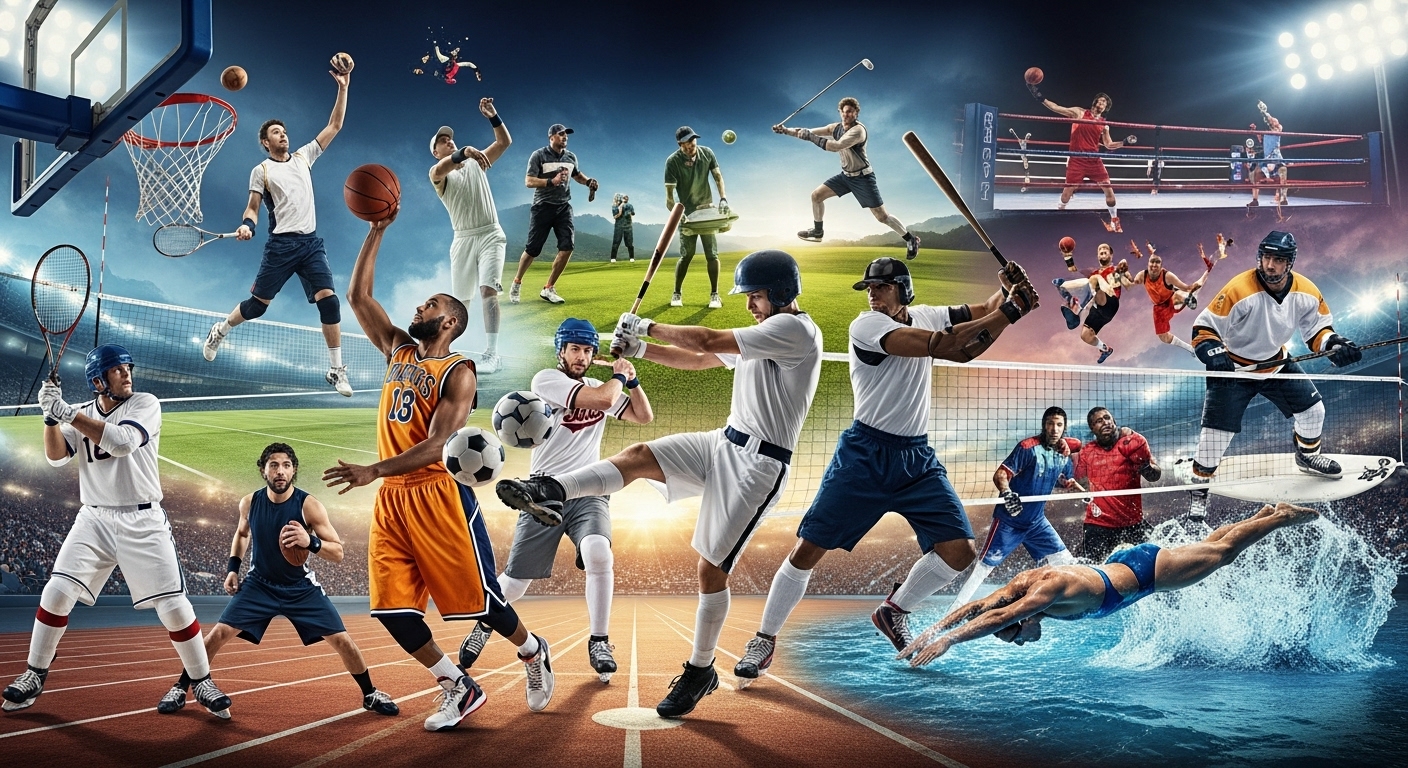
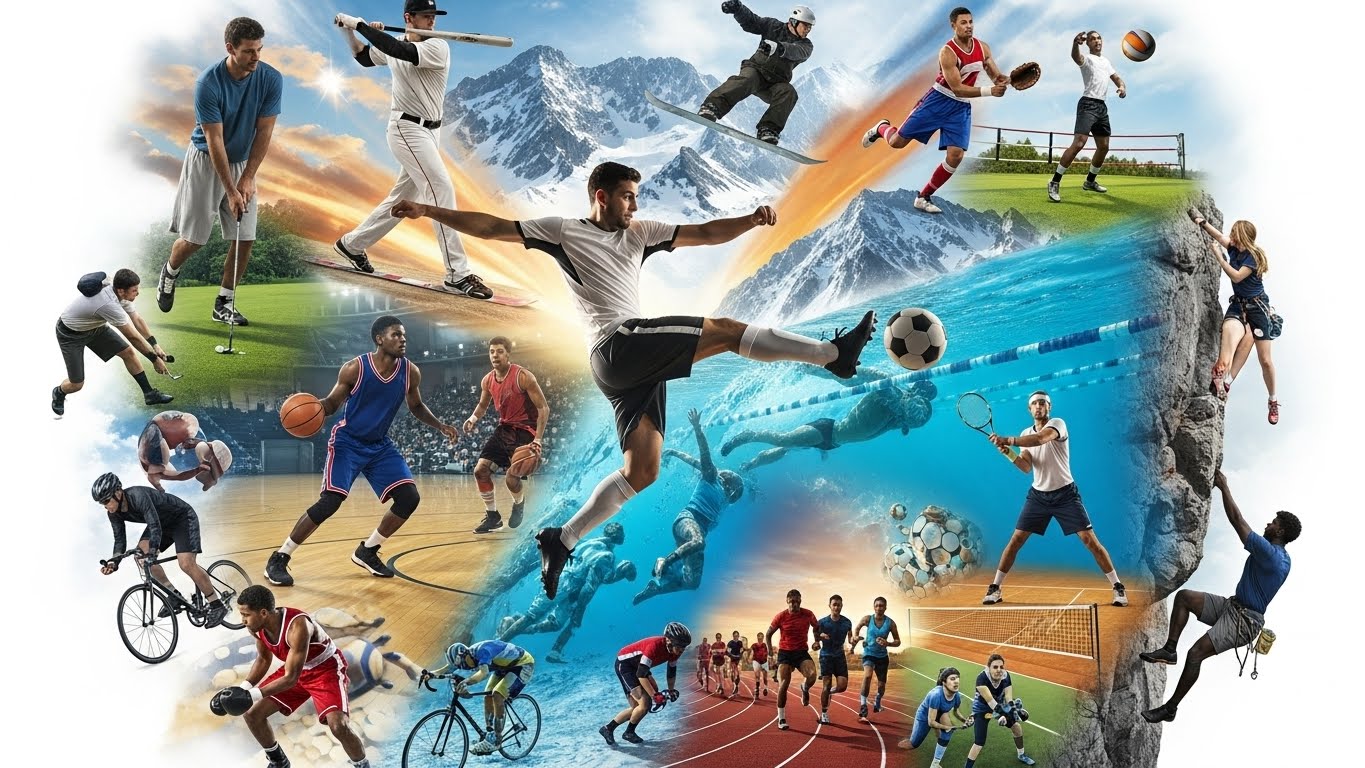
Sports have been an integral part of human civilization for centuries. From ancient Olympic games in Greece to modern-day international tournaments, sports transcend culture, language, and geography. They serve not only as a form of entertainment but also as a platform for physical development, social interaction, and personal growth. The influence of sports extends beyond the playing field, shaping societal values, fostering unity, and even impacting economies worldwide.
Whether it is football, basketball, cricket, or athletics, sports teach fundamental lessons about discipline, perseverance, teamwork, and resilience. They reflect the human desire for challenge and achievement, offering moments of triumph and failure that resonate deeply with both participants and spectators.
The Historical Significance of Sports
Sports have a rich historical background, dating back thousands of years. Ancient civilizations such as Greece, Rome, and China organized athletic competitions as a way to honor their gods, celebrate military prowess, or strengthen community bonds. The Olympic Games, first held in 776 BCE, remain a symbol of excellence, courage, and international cooperation even today.
In medieval times, sports evolved into various forms of competitive contests, including jousting, archery, and hunting. These activities were often linked to social status, military training, and community festivals. With the industrial revolution, organized sports began to take the shape we recognize today, with standardized rules, professional teams, and structured leagues. This historical evolution highlights sports’ enduring significance in human society.
Physical and Mental Benefits of Sports
Participating in sports offers numerous physical and mental benefits. Regular physical activity strengthens muscles, improves cardiovascular health, enhances flexibility, and helps maintain a healthy weight. It also boosts the immune system, reducing the risk of chronic illnesses such as diabetes, heart disease, and obesity.
Mentally, sports improve cognitive function, concentration, and problem-solving abilities. They provide an outlet for stress relief, enhance mood, and combat symptoms of anxiety and depression. Athletes often develop resilience, patience, and self-discipline—qualities that extend beyond sports and into everyday life. Sports also promote healthy competition, teaching individuals to handle both victory and defeat gracefully.
The Role of Team Sports
Team sports, such as football, basketball, and volleyball, emphasize collaboration, communication, and shared responsibility. Playing on a team teaches individuals how to work together to achieve a common goal, understand different perspectives, and support one another during challenges.
In addition to fostering interpersonal skills, team sports cultivate leadership qualities. Team captains and senior players often guide younger members, creating a mentorship dynamic that reinforces accountability and strategic thinking. These skills are transferable to workplaces, academic environments, and community organizations, highlighting the broader impact of team-based sports.
Individual Sports and Personal Growth
While team sports focus on collaboration, individual sports such as tennis, swimming, athletics, and martial arts emphasize personal discipline, self-motivation, and goal setting. Athletes in individual sports must rely on their own abilities, manage their training schedules, and make strategic decisions independently.
Individual sports also promote self-awareness, as athletes constantly evaluate their strengths, weaknesses, and performance outcomes. The journey of improvement instills confidence and resilience, teaching valuable life lessons about persistence, responsibility, and self-reliance. Both individual and team sports play complementary roles in shaping well-rounded individuals.
Sports as a Tool for Social Change
Sports have historically played a significant role in driving social change. From breaking racial barriers to promoting gender equality, sports provide a powerful platform to challenge societal norms and inspire movements. Legendary athletes like Jackie Robinson, Serena Williams, and Muhammad Ali have used their influence to advocate for civil rights, equality, and justice.
Community sports programs also promote inclusion and accessibility, offering opportunities for marginalized groups to participate, develop skills, and engage in healthy activities. By fostering teamwork, cultural exchange, and mutual respect, sports contribute to building stronger, more cohesive societies.
Economic Impact of Sports
Sports are not just a cultural phenomenon; they are also a significant economic driver. Professional leagues, tournaments, and international events generate billions of dollars annually through ticket sales, broadcasting rights, sponsorships, and merchandise. Major events like the FIFA World Cup and the Olympic Games stimulate tourism, create jobs, and boost local economies.
The sports industry also supports a wide range of careers, including coaching, sports medicine, event management, marketing, journalism, and athlete representation. This economic dimension underscores sports’ role as both an entertainment medium and a powerful contributor to national and global economies.
Technological Advancements in Sports
Technology has transformed sports in unprecedented ways. From performance tracking and injury prevention to advanced training methods, technology enhances both athletic development and spectator experience. Wearable devices monitor vital signs, movement patterns, and recovery rates, allowing athletes to optimize performance.
Broadcasting and digital platforms have expanded sports’ global reach. Fans can now watch live events, access detailed statistics, and interact with communities online. Innovations like virtual reality, augmented reality, and artificial intelligence are reshaping how sports are played, trained for, and consumed, creating immersive experiences for athletes and audiences alike.
The Psychological Aspects of Sports
Sports psychology plays a crucial role in maximizing performance and maintaining mental well-being. Techniques such as visualization, goal setting, mindfulness, and stress management help athletes perform under pressure. Confidence, focus, and emotional control are critical factors in achieving consistent success.
Team dynamics and interpersonal relationships also affect performance. Effective communication, trust, and conflict resolution are essential for cohesive teams. Coaches and sports psychologists work together to cultivate mental resilience, ensuring that athletes can navigate the highs and lows of competitive sports.
Youth Sports and Development
Engaging children and teenagers in sports has long-lasting benefits. Youth sports programs foster physical fitness, social skills, and emotional development. They teach time management, teamwork, and ethical behavior while reducing the likelihood of engaging in unhealthy habits.
Early exposure to sports also instills a lifelong appreciation for physical activity and healthy living. Beyond skill development, youth sports cultivate self-esteem, leadership qualities, and a sense of belonging, shaping future generations who value discipline, cooperation, and personal growth.
Sportsmanship and Ethical Values
Sportsmanship, integrity, and ethical behavior are fundamental to all forms of sports. Respect for opponents, fair play, and adherence to rules uphold the spirit of competition. Athletes who demonstrate sportsmanship inspire fans and peers alike, reinforcing values such as honesty, humility, and perseverance.
Ethics in sports also extend to issues such as doping, match-fixing, and corruption. Maintaining fair competition ensures that achievements reflect true talent and effort, preserving trust and credibility in the sporting world. Sports, therefore, act as a microcosm of society, teaching ethical behavior and accountability.
Globalization of Sports
Globalization has expanded the reach of sports, creating international fan bases, multinational leagues, and cross-cultural exchanges. Events like the Olympic Games, World Cup, and international tennis tournaments unite people from diverse backgrounds, fostering mutual understanding and global camaraderie.
Social media and digital platforms further amplify this connectivity. Fans can follow teams, athletes, and competitions in real-time, breaking down geographic barriers and creating a sense of global community. Sports serve as a universal language, capable of bridging cultural differences and promoting peace.
Challenges Facing Modern Sports
Despite its many benefits, modern sports face several challenges. Commercialization and excessive focus on profits can sometimes overshadow the essence of the game. Doping, corruption, and unethical practices threaten the integrity of competition. Additionally, injuries, overtraining, and mental health pressures are ongoing concerns for athletes.
Ensuring accessibility and inclusivity remains critical. Socioeconomic barriers, gender disparities, and lack of resources can prevent talented individuals from participating. Addressing these challenges requires collaboration among governing bodies, communities, and educational institutions to maintain sports’ positive impact on society.
The Future of Sports
The future of sports is bright, driven by technological innovation, increasing inclusivity, and growing global interest. Emerging trends such as eSports, adaptive sports for individuals with disabilities, and environmentally sustainable sporting events reflect the evolving landscape.
Education and research in sports science, nutrition, and psychology will continue to enhance athlete performance and safety. Furthermore, the integration of sports into school curricula, community programs, and public health initiatives will reinforce its societal benefits. Sports are poised to remain a vital force in shaping culture, health, and human potential.
Conclusion: The Enduring Power of Sports
Sports are far more than games; they are a reflection of human ambition, resilience, and creativity. They unite communities, inspire individuals, and influence culture and society. From the joy of victory to the lessons learned in defeat, sports offer experiences that transcend age, gender, and nationality.
As society continues to evolve, sports will remain a cornerstone of personal development, social cohesion, and global connectivity. They teach values, foster innovation, and provide opportunities for growth, making them an enduring and essential part of the human experience. Through every goal scored, every race run, and every match played, sports remind us of the limitless potential within ourselves and the power of collective effort.