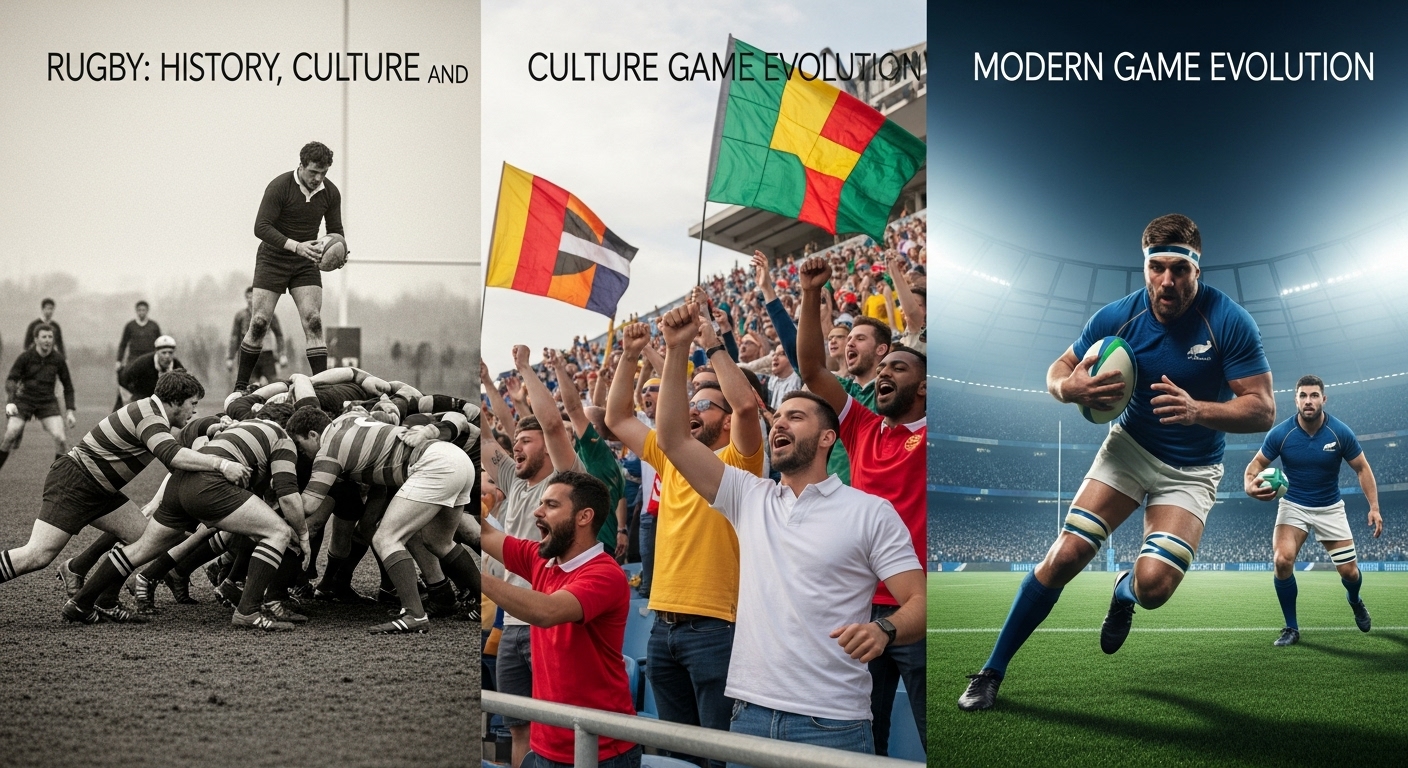

Sports are more than just games. They are a reflection of human spirit, determination, and the endless pursuit of excellence. From the roar of stadium crowds to the quiet practice fields, sports inspire millions across the globe. They teach discipline, teamwork, and resilience while offering a sense of community and joy. Whether it is the elegance of a figure skater gliding on ice or the raw power of a sprinter crossing the finish line, sports connect people in ways few other activities can.
The History of Sports
Sports have been a part of human civilization for thousands of years. Ancient civilizations such as Greece and Rome celebrated athletic competitions as central cultural events. The Olympics, originating in ancient Greece, were a platform to honor both physical and mental strength. Roman gladiatorial games showcased skill and bravery, albeit in more violent forms. Over centuries, sports evolved, becoming more organized, regulated, and widespread. Traditional games, like wrestling and archery, were eventually accompanied by modern team sports such as football, basketball, and cricket.
In the 19th century, sports began transitioning into professional arenas. Football clubs in Europe, cricket leagues in England, and baseball teams in America began forming structured competitions. Today, sports transcend borders, with international tournaments and leagues attracting massive global audiences.
The Role of Sports in Society
Sports play a significant role beyond entertainment. They are a medium for social integration, promoting equality, health, and education. Schools and universities use sports to teach leadership and discipline, while professional leagues provide opportunities for career growth and financial stability.
Physical health is another vital aspect. Regular participation in sports strengthens the heart, improves lung capacity, and enhances mental well-being. Activities like running, swimming, and cycling reduce stress and combat lifestyle-related illnesses. Beyond the individual, sports foster community cohesion. Local clubs and recreational leagues bring people together, creating a sense of belonging and shared purpose.
Popular Sports Around the World
Different regions embrace different sports, reflecting cultural preferences and historical influences.
Football (Soccer)
Football, known as soccer in some countries, is the world’s most popular sport. Played on nearly every continent, football has an unrivaled global following. Iconic tournaments like the FIFA World Cup showcase nations competing at the highest level. Legendary players have emerged from this sport, leaving legacies that inspire future generations.
Cricket
Cricket is a passion in countries like India, Australia, and England. From Test matches to fast-paced T20 leagues, cricket offers diverse formats that attract a wide range of audiences. The sport’s history is deeply rooted in colonial influence, yet it has become a defining aspect of national pride in many countries.
Basketball
Basketball is a fast-paced, high-energy sport that demands agility, teamwork, and strategy. Originating in the United States, it has grown into a global phenomenon. Professional leagues, especially the NBA, have brought players into the spotlight, turning them into international icons. Street basketball culture further illustrates the sport’s widespread appeal.
Athletics
Track and field events are foundational to many sports. Sprinting, long-distance running, high jump, and javelin throw test human physical limits. The Olympic Games often highlight athletes who break records and redefine what is possible. Athletics emphasizes personal discipline, perseverance, and consistent practice.
Tennis
Tennis blends elegance, precision, and power. Played individually or in doubles, it requires strategy, stamina, and mental resilience. Major tournaments like Wimbledon and the US Open attract millions of viewers, showcasing fierce rivalries and inspiring performances.
Other Sports
Sports such as swimming, rugby, gymnastics, volleyball, and hockey also have passionate followings. Emerging sports like e-sports and mixed martial arts are gaining recognition, reflecting the evolving interests of younger generations.
The Mental and Psychological Impact of Sports
Sports are as much a mental challenge as a physical one. Athletes must focus, strategize, and maintain composure under pressure. Psychological resilience is key to overcoming setbacks, injuries, or defeats. Sports foster traits such as patience, confidence, and decision-making skills that extend beyond the playing field.
Fans, too, experience psychological benefits. Supporting a team can instill joy, excitement, and a sense of identity. Community celebrations around sports victories enhance social bonds, while collective grief over losses teaches empathy and resilience.
Inspiring Stories in Sports
Sports history is filled with stories of determination and triumph. Athletes overcoming adversity inspire millions. For instance, a young player rising from humble beginnings to achieve global fame demonstrates the power of perseverance. Teams coming back from defeat to win championships show resilience and strategic brilliance. Records broken and milestones achieved create narratives that motivate not just aspiring athletes, but anyone striving for success.
The Economics of Sports
Sports have evolved into a significant economic force. Professional leagues generate billions through ticket sales, sponsorships, broadcasting rights, and merchandise. Cities host international events to boost tourism and investment. Sports-related industries such as equipment manufacturing, apparel, and fitness centers also contribute to economic growth. For players, sports provide lucrative career opportunities, endorsements, and global recognition.
Technology in Sports
Modern technology has revolutionized sports. Video-assisted refereeing, wearable performance trackers, and advanced training equipment enhance fairness, accuracy, and athlete performance. Social media allows fans to connect with players and teams, creating global fan communities. Analytics and data-driven strategies influence game tactics, enabling coaches to make informed decisions.
Women in Sports
Women’s participation in sports has grown tremendously over the past decades. Female athletes excel in traditionally male-dominated sports and inspire new generations. Events like the Women’s World Cup and the Olympics showcase women achieving extraordinary feats. The push for equality in pay, recognition, and opportunities continues, gradually transforming the sports landscape.
The Future of Sports
The future of sports is likely to be even more diverse and inclusive. Innovations in training, recovery, and performance will redefine athletic potential. Global connectivity will enhance fan experiences through virtual reality, interactive broadcasts, and immersive events. E-sports and alternative competitive activities will continue to rise, appealing to a digital generation.
Sports will also remain a platform for social change. Athletes increasingly use their influence to advocate for important causes, from environmental awareness to social justice. This evolving role demonstrates that sports are not only about games but also about shaping society.
Conclusion
Sports are a universal language, transcending borders, cultures, and generations. They reflect human courage, determination, and the joy of achievement. From ancient games to modern leagues, sports continue to inspire and unite people worldwide. Whether on a professional field or a local playground, the spirit of sports fuels dreams, builds communities, and defines moments of greatness.
Every sprint, every goal, every victory, and even every defeat, tells a story of dedication and passion. Sports remind us that limits exist only to be challenged, and that with resilience, teamwork, and vision, the impossible becomes possible.