
Introduction: The Universality of Sports
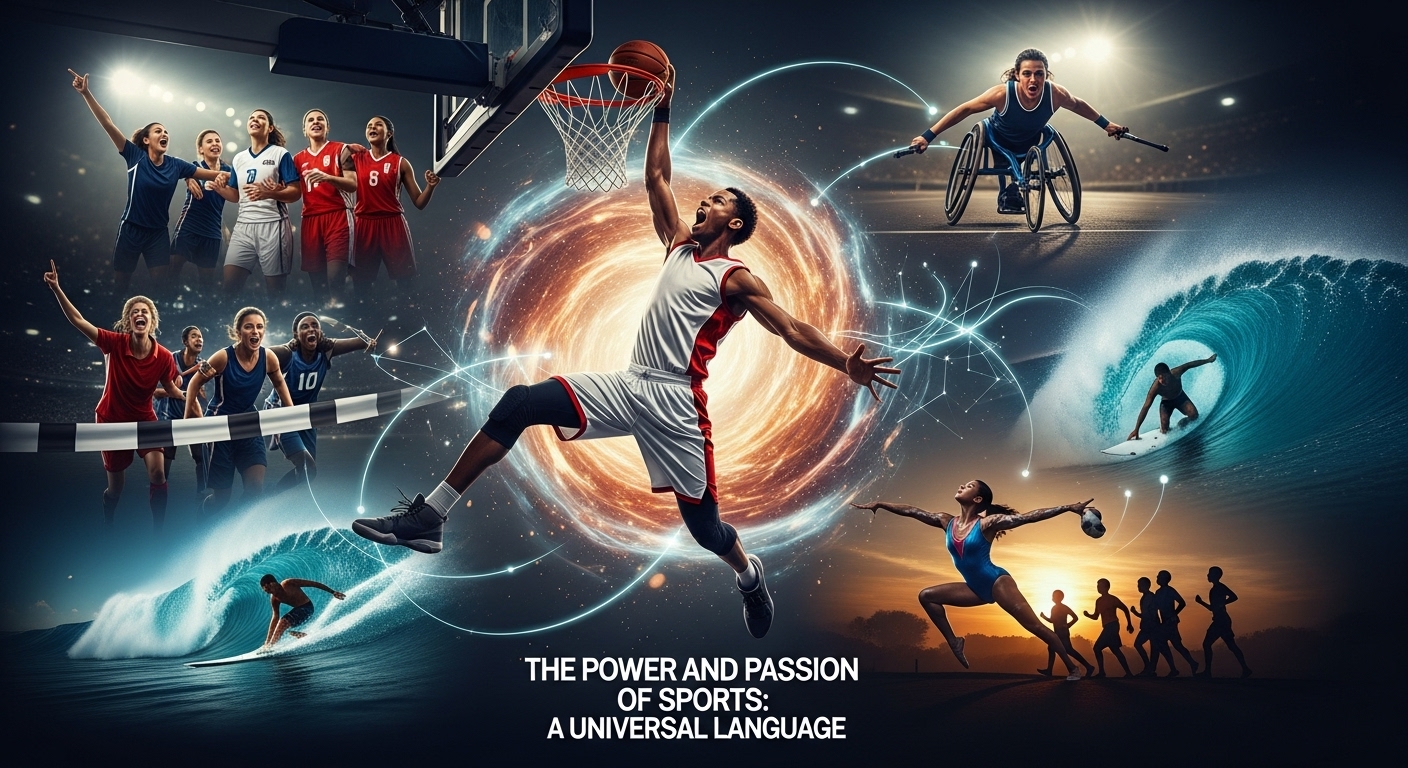
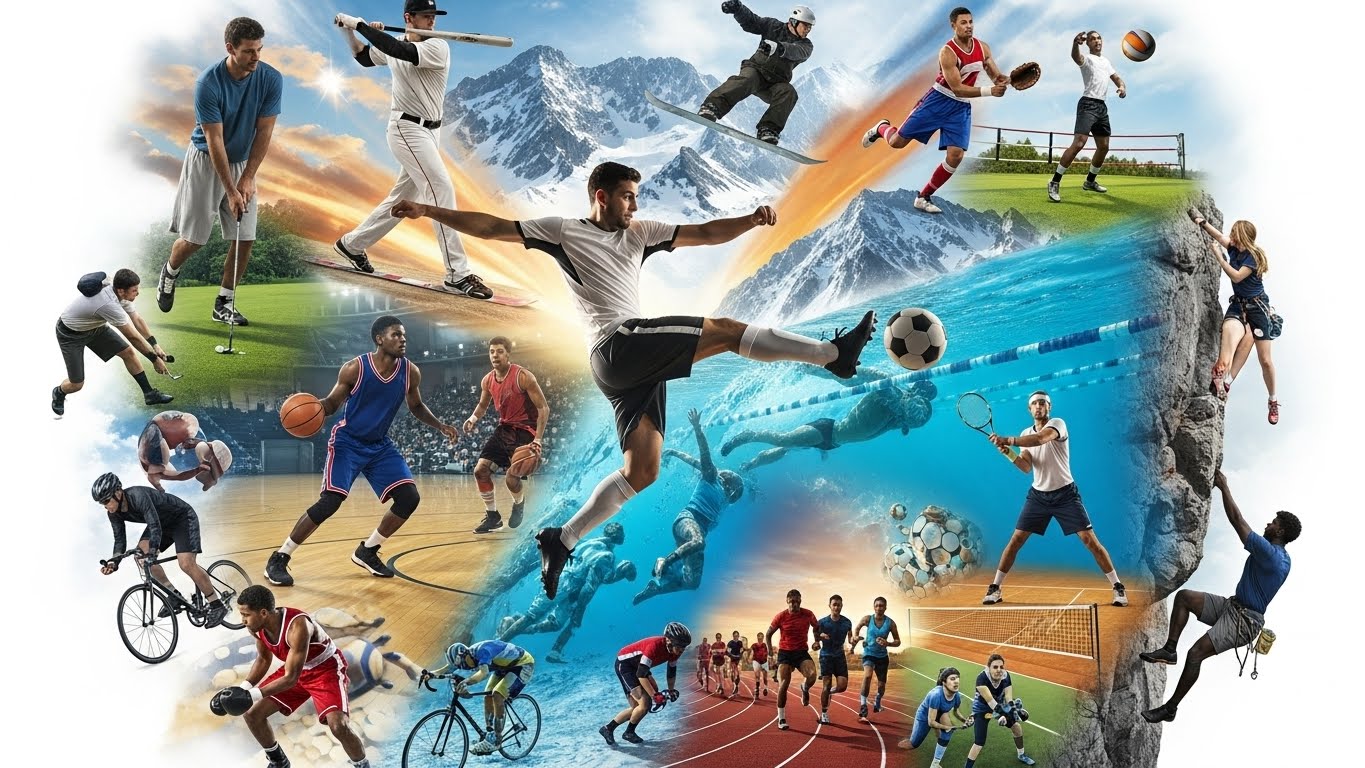
Sports have long transcended the boundaries of mere recreation or competition. They are not just activities that we watch or play—they are a fundamental aspect of human culture, with the ability to unite, inspire, and transform individuals and societies. From ancient civilizations to modern-day, sports have played a key role in shaping not only individual lives but also communities, economies, and cultures. In a world that is increasingly connected through digital means, sports continue to serve as a universal language, uniting people across continents, ideologies, and backgrounds.
In this blog post, we will explore the far-reaching impact of sports in contemporary society. We will examine their role in promoting health, their influence on social and cultural dynamics, their economic significance, and their ability to drive social change. Sports have come a long way from their ancient roots to become a global industry, and understanding their role today requires a comprehensive view of their evolution and multifaceted impact.
The Evolution of Sports
The story of sports begins in ancient history, where physical contests were a vital part of rituals and social life. The ancient Greeks are perhaps the most notable pioneers in shaping the structure of modern sports, with the establishment of the Olympic Games in 776 BCE. These Games were not just about physical performance; they were deeply intertwined with religion and were seen as a means of honoring the gods. The Greeks introduced organized athletic events such as running, wrestling, and chariot racing, which laid the foundation for modern track and field and other sports.
The Roman Empire took sports in a different direction, focusing more on spectacles and public entertainment. Gladiator fights, chariot races, and mock battles were the main events that entertained the masses. These events, however brutal, also served as a demonstration of power and strength, reinforcing the might of the Roman Empire.
As civilizations progressed, so did the evolution of sports. The Middle Ages saw a decline in organized sports due to the social and political upheavals of the time. However, the Renaissance era sparked a resurgence in interest in physical fitness and competition, eventually leading to the formalization of many modern sports by the 19th century. The rise of the British Empire and the Industrial Revolution played crucial roles in the birth of modern professional sports, particularly in countries like England, where soccer, rugby, cricket, and tennis were formalized.
In the 20th century, sports began to emerge as an industry, with the establishment of global sports leagues, media broadcasting, and sponsorship deals that propelled them into the modern age. This growth has led to the widespread commercial success of sports, but it has also transformed sports into a global phenomenon that plays a central role in contemporary society.
Sports and Physical Health
One of the most important contributions of sports to society is their impact on physical health. With sedentary lifestyles becoming more common due to technological advancements and urbanization, sports have become a key vehicle for promoting physical activity and well-being. Engaging in sports regularly helps combat the negative health effects of inactivity, such as obesity, cardiovascular diseases, and diabetes.
Sports have a direct influence on improving cardiovascular health. Activities like running, swimming, and cycling increase heart rate and improve circulation, strengthening the heart and reducing the risk of heart disease. In addition, they help improve lung capacity, boost metabolism, and regulate blood pressure. These benefits are not limited to professional athletes—people of all ages and fitness levels can experience significant improvements in their overall health by participating in sports.
The mental health benefits of sports are just as profound. Physical activity triggers the release of endorphins, the body’s natural mood elevators. These endorphins can reduce feelings of stress, anxiety, and depression. In fact, many athletes cite the mental clarity and sense of purpose that sports provide as key factors in their overall well-being. For non-athletes, engaging in physical activity through sports also helps manage stress and promotes relaxation, allowing individuals to disconnect from the pressures of daily life and improve their mood.
Furthermore, sports teach discipline and self-control, which are beneficial for long-term health. Regular participation in sports fosters a routine that includes exercise, proper nutrition, and rest, all of which contribute to a healthier lifestyle. For children and young adults, playing sports also encourages the development of healthy habits that can last a lifetime.
Sports as a Social and Cultural Force
Beyond the physical benefits, sports play an important role in shaping social dynamics. Whether it’s playing in a local league or attending a major international competition, sports have the power to foster connection, build communities, and create a sense of belonging.
At the local level, youth sports are especially valuable. They teach children teamwork, communication, leadership, and problem-solving. These skills are not only vital for success on the field but also in life. Through sports, children learn to collaborate with others, manage setbacks, and push through challenges. Team sports, in particular, emphasize the importance of group effort over individual success, helping children understand that their actions impact the greater whole. The social relationships built in youth sports can also provide lasting friendships and a sense of community.
For adults, sports also create spaces for socialization and camaraderie. Whether it’s joining a recreational soccer league, attending a live sporting event, or simply discussing a game with friends, sports provide opportunities for people to connect and share experiences. This is particularly important in an increasingly digital world, where face-to-face interactions are sometimes replaced by virtual conversations. The shared passion for sports enables people from diverse backgrounds to come together and bond over a common interest, transcending differences in culture, race, and class.
On a larger scale, sports have the unique ability to unify nations. Major international sporting events such as the FIFA World Cup, the Olympics, and the Rugby World Cup bring together nations from all over the world in a celebration of athletic achievement and national pride. These events foster goodwill and mutual respect among countries, as they provide a platform for cultural exchange and cooperation. They also serve as a reminder that, despite political and social differences, the human desire for competition, glory, and recognition unites us all.
The Role of Sports in National Identity and Pride
Sports have a profound effect on national identity. In many countries, athletes are seen as representatives of their nation, and their performances on the world stage are often celebrated as national achievements. This sense of national pride can be witnessed during the Olympics or the World Cup, where victories on the global stage bring a sense of collective joy and unity.
In some countries, certain sports have become deeply ingrained in national identity. For example, football (soccer) in Brazil, cricket in India, and rugby in New Zealand are more than just games—they are central to the national fabric. The success of athletes in these sports brings immense pride to the citizens, reinforcing the cultural significance of the sport within that nation.
Moreover, sports can also inspire hope and pride in times of adversity. For example, during political crises, wars, or economic downturns, sports often offer a source of escape and optimism. National teams and athletes become symbols of resilience, providing a temporary but meaningful reprieve from the challenges faced by the country. The victories of these athletes symbolize the strength and determination of the people, helping to uplift a nation’s spirit.
The Economic Power of Sports
The economic impact of sports cannot be underestimated. From professional sports leagues to grassroots participation, sports contribute significantly to the global economy. According to recent estimates, the global sports industry is valued at over $500 billion, with major sports leagues generating billions of dollars annually in revenue from ticket sales, broadcasting rights, sponsorships, and merchandise sales.
In terms of employment, the sports industry provides millions of jobs worldwide, ranging from athletes and coaches to media personnel, event organizers, and hospitality workers. In addition to direct employment, the sports industry drives growth in various related sectors, including tourism, retail, transportation, and advertising. When large international events are hosted, the economic benefits are even more pronounced, as cities and countries experience a surge in tourism, hotel bookings, and consumer spending.
For cities and countries that host major sporting events such as the World Cup or the Olympics, the economic benefits extend beyond the event itself. These events serve as catalysts for infrastructure development, creating new stadiums, transportation systems, and tourism facilities that can continue to benefit the local economy for years to come. For instance, the 2008 Beijing Olympics led to a massive overhaul of the city’s infrastructure, making it a more attractive destination for tourists and investors alike.
Sports as a Catalyst for Social Change
Sports have long been a platform for social change. Athletes have used their visibility and influence to challenge injustice, advocate for equality, and raise awareness on issues ranging from civil rights to gender equality. Sports have often acted as a mirror for society, reflecting and sometimes leading change.
One of the most iconic moments in the history of sports as a vehicle for social change came in 1968 during the Olympic Games in Mexico City. American athletes Tommie Smith and John Carlos raised their fists in protest during the medal ceremony, sending a powerful message against racial inequality and injustice in the United States. The “Black Power” salute remains one of the most significant acts of political protest in sports history.
In the decades that followed, athletes continued to use their platforms to address issues such as racism, sexism, and poverty. More recently, movements like “Take a Knee,” led by NFL quarterback Colin Kaepernick, have brought attention to police brutality and the need for reform in the criminal justice system. These actions have sparked heated debates but have also raised important conversations about the intersection of sports, politics, and social responsibility.
Moreover, sports have been a critical factor in advancing gender equality. The rise of women’s sports, particularly in the realms of tennis, soccer, and basketball, has broken down long-standing gender barriers and provided a platform for women to showcase their talents and achieve recognition. Female athletes like Serena Williams, Billie Jean King, and Abby Wambach have become global icons, inspiring future generations of women to pursue sports and defy societal expectations.
Challenges Facing the Sports World
Despite the many benefits of sports, the world of sports is not without its challenges. One of the biggest issues facing sports today is the commercialization and exploitation of athletes. As the financial stakes of professional sports continue to rise, athletes are often under immense pressure to perform at their best, sometimes at the expense of their physical and mental health. The increasing role of sponsorships, broadcasting deals, and merchandise sales has also led to concerns about the integrity of sports, with some arguing that the commercialization of sports detracts from their true spirit of competition.
Another challenge is the issue of injuries, particularly concussions and long-term brain injuries in contact sports like football and boxing. The long-term effects of repeated head trauma, such as chronic traumatic encephalopathy (CTE), have raised questions about player safety and the ethics of contact sports. Despite increased awareness, injuries remain a major concern for athletes and their families, particularly at the youth level, where proper training and safety measures are not always prioritized.
Doping and corruption also continue to plague the world of sports. Scandals involving performance-enhancing drugs and match-fixing have cast a shadow over the integrity of competition, leading to calls for stricter regulations and more robust anti-doping measures.
Conclusion: The Lasting Impact of Sports
Sports have an undeniable and far-reaching influence on society. They shape our physical health, social interactions, cultural identities, economies, and even political landscapes. While challenges remain, the benefits of sports continue to outweigh the drawbacks, offering opportunities for growth, unity, and positive change.
As we move forward, the importance of sports will only continue to grow. They will remain a key driver of health, social cohesion, and economic activity. Sports will continue to provide inspiration, motivation, and a platform for social change. With their unique power to connect and inspire, sports will always hold a central place in our global society.