Introduction: More Than Just a Game
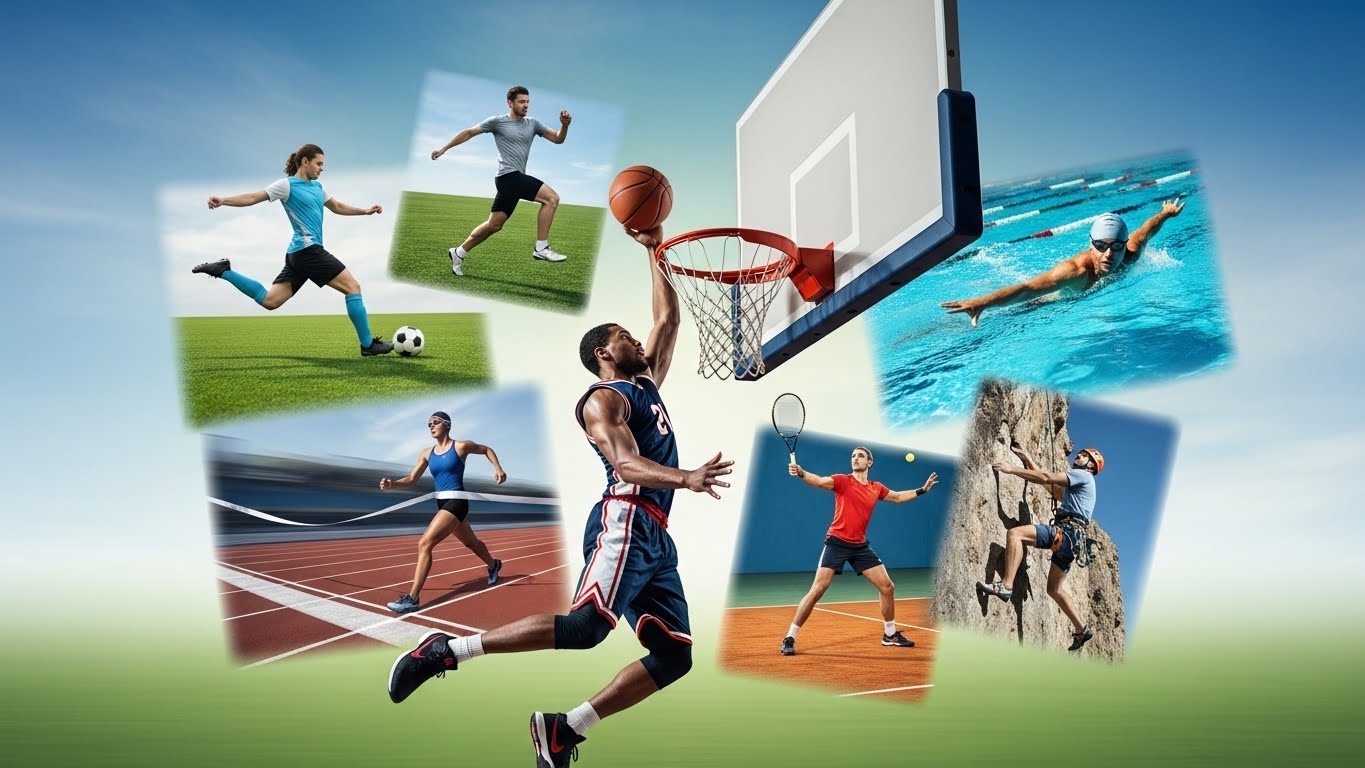
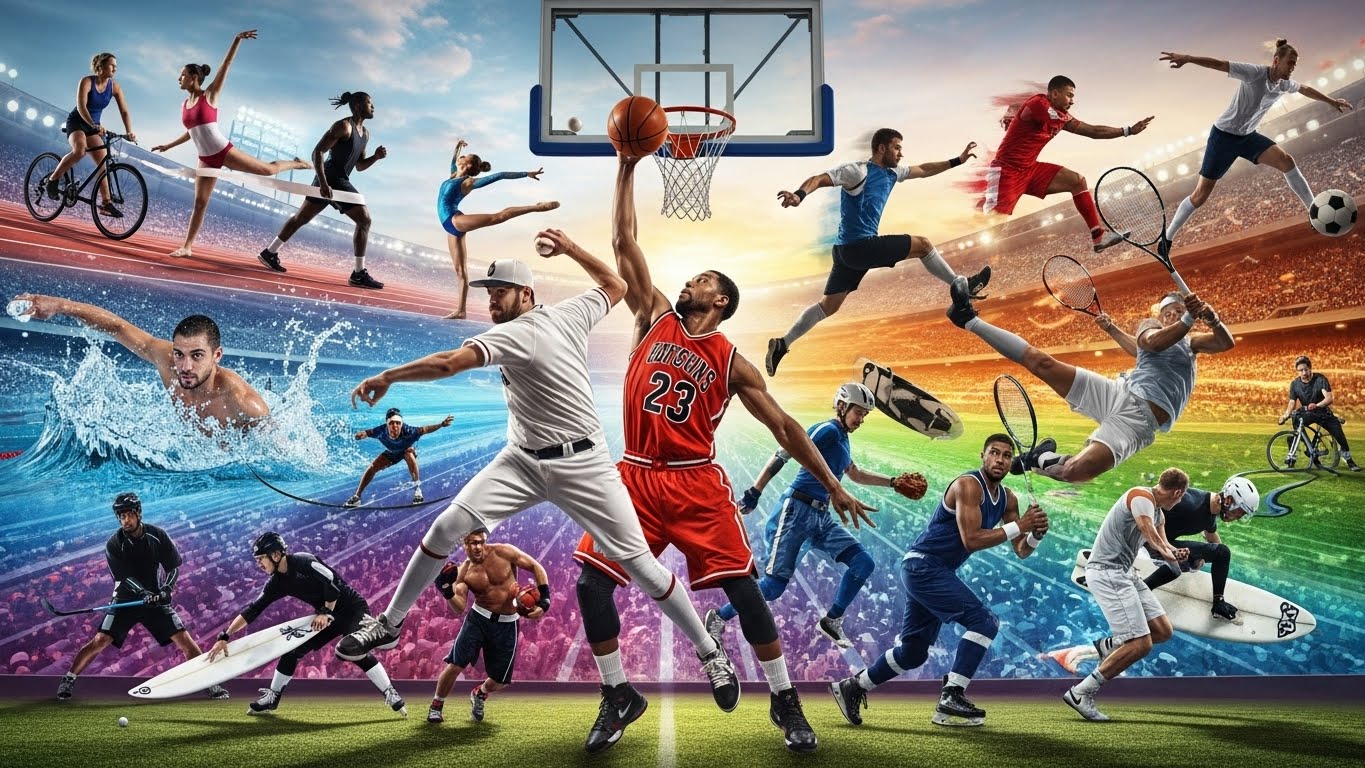
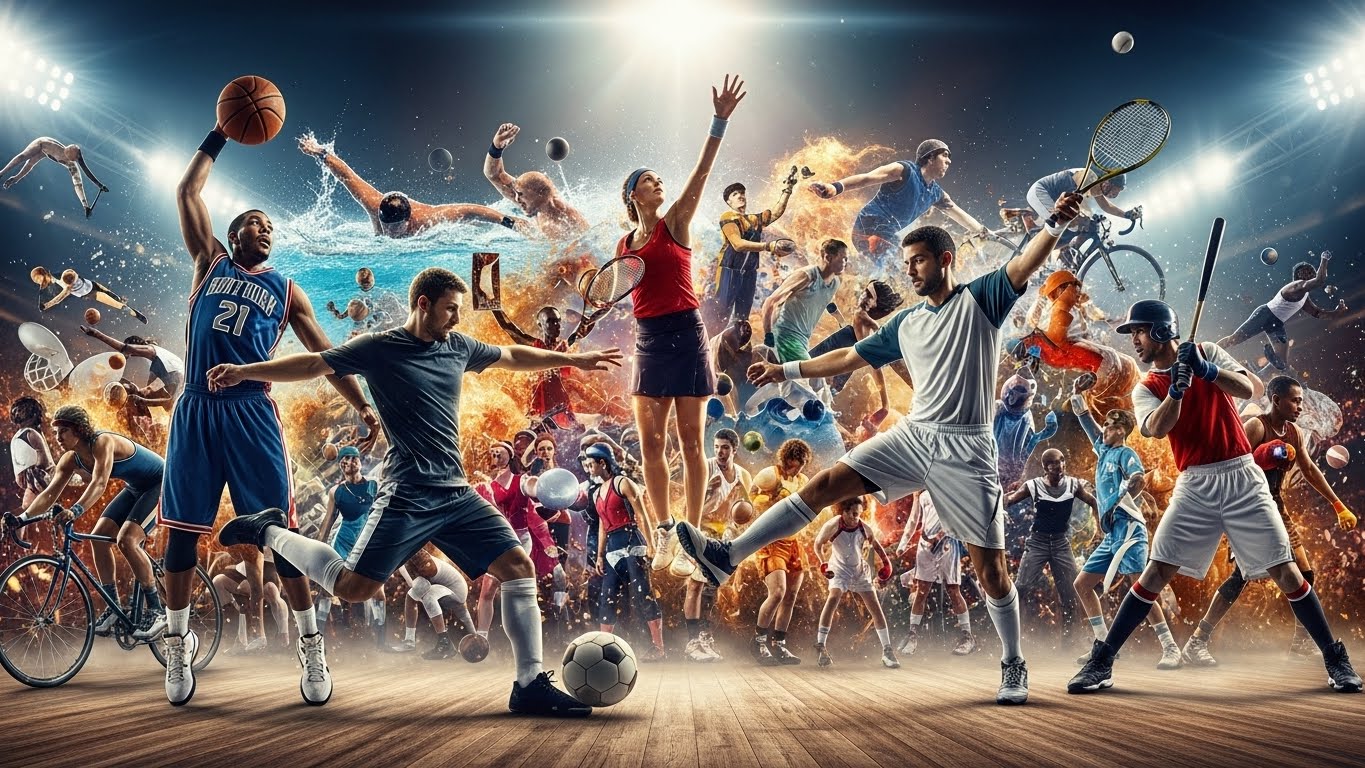
Sports have always held a special place in human society. From ancient athletic contests carved into stone walls to modern stadiums filled with roaring crowds, sports represent far more than physical competition. They are a reflection of human ambition, discipline, unity, and resilience. While the final score often grabs the headlines, the deeper value of sports lies in how they influence individuals and societies alike. They teach lessons that classrooms cannot always deliver and create bonds that cross borders, languages, and cultures.
The Historical Roots of Sports
The history of sports is as old as civilization itself. Ancient Greece celebrated athletic excellence through the Olympic Games, not just as entertainment but as a tribute to physical and moral strength. In other parts of the world, traditional games were tied to rituals, survival skills, and community celebrations. Over time, these activities evolved into organized sports with rules, governing bodies, and international recognition. Despite these changes, the core spirit of sports has remained the same: striving for excellence while respecting fair play.
Sports as a School of Discipline
One of the most powerful contributions of sports is the discipline they instill. Athletes quickly learn that talent alone is not enough. Consistent training, time management, and mental focus are essential for improvement. Early morning practices, strict routines, and continuous self-evaluation teach athletes the value of commitment. These habits often extend beyond the playing field, helping individuals succeed in academics, careers, and personal goals.
Building Mental Strength Through Competition
Sports are a testing ground for mental toughness. Winning brings joy and confidence, but losing teaches humility and perseverance. Athletes learn to handle pressure, manage fear, and stay focused under challenging circumstances. A missed shot or a lost match can be emotionally difficult, yet it becomes an opportunity for growth. Over time, athletes develop resilience, learning to recover from setbacks and approach future challenges with renewed determination.
Teamwork and Leadership on the Field
Team sports, in particular, highlight the importance of collaboration. Success depends not on individual brilliance alone but on coordination, trust, and shared responsibility. Players learn to communicate effectively, support one another, and work toward a common objective. Leadership naturally emerges in these environments, as captains and experienced players guide their teams through difficult moments. These lessons in teamwork and leadership are directly transferable to workplaces and community life.
Sports and Physical Well Being
In an era dominated by screens and sedentary lifestyles, sports play a vital role in promoting physical health. Regular participation improves cardiovascular fitness, strength, flexibility, and coordination. Beyond the physical benefits, sports encourage healthy habits such as proper nutrition, adequate rest, and active living. Even recreational sports can significantly reduce stress and improve overall quality of life, making them essential for both youth and adults.
The Social Power of Sports
Sports have a unique ability to bring people together. Fans from different backgrounds gather to support a common team, sharing emotions that create a sense of belonging. Major sporting events often unite entire nations, offering moments of collective pride and joy. On a smaller scale, local sports clubs strengthen community ties by providing safe spaces for interaction, mentorship, and mutual respect.
Sports as a Tool for Inclusion
One of the most inspiring aspects of sports is their potential for inclusion. Regardless of age, gender, or background, sports offer opportunities for participation and recognition. Adaptive sports have opened doors for individuals with disabilities, proving that determination and passion matter more than limitations. Similarly, the growing recognition of women’s sports has challenged long standing stereotypes and promoted gender equality, inspiring new generations to pursue their dreams.
Cultural Identity and National Pride
Sports often serve as a powerful expression of cultural identity. Traditional games preserve heritage, while national teams symbolize unity and pride on the global stage. When athletes represent their countries, they carry the hopes and emotions of millions. Victories are celebrated as national achievements, while defeats are shared with collective understanding. This emotional connection highlights how deeply sports are woven into the cultural fabric of societies.
The Economic Impact of Sports
Beyond entertainment and inspiration, sports contribute significantly to the economy. Professional leagues generate employment, tourism, and business opportunities. Sporting events boost local economies by attracting visitors and encouraging investment in infrastructure. Even at the grassroots level, sports academies and clubs create jobs and support community development. This economic influence demonstrates that sports are not just a pastime but a vital industry.
Ethics, Fair Play, and Responsibility
With popularity and financial growth come challenges. Issues such as cheating, corruption, and excessive commercialization threaten the integrity of sports. Upholding ethics and fair play is essential to preserve trust and respect. Athletes, officials, and fans all share responsibility in maintaining the true spirit of competition. When sports are guided by integrity, they remain a powerful force for positive change.
The Role of Sports in Youth Development
For young people, sports can be a guiding force during formative years. Participation builds confidence, teaches respect for rules, and provides constructive outlets for energy. Coaches often become mentors, offering guidance that extends beyond technical skills. Through sports, young individuals learn goal setting, emotional control, and the importance of hard work, shaping them into responsible and motivated adults.
Technology and the Future of Sports
Modern technology has transformed the sporting world. Advanced training methods, data analysis, and improved equipment have elevated performance levels. Fans enjoy immersive viewing experiences, while athletes benefit from better injury prevention and recovery techniques. As technology continues to evolve, it will further redefine how sports are played, watched, and understood, while still preserving the core values that make them meaningful.
Sports as a Lifelong Journey
Sports do not lose their value once competitive careers end. Former athletes often carry lessons learned into new roles as coaches, administrators, or community leaders. Recreational sports provide lifelong enjoyment, encouraging active aging and social engagement. Whether played professionally or casually, sports remain a constant source of learning and fulfillment throughout life.
Conclusion: The Lasting Impact of Sports
Sports are far more than contests of speed, strength, or skill. They are a mirror of human values, highlighting perseverance, unity, and respect. Through victories and defeats, sports teach lessons that shape character and strengthen communities. In a world that often feels divided, sports continue to offer moments of shared passion and understanding. Beyond the scoreboard lies a powerful force that inspires individuals to grow, societies to connect, and cultures to celebrate the best of human potential.