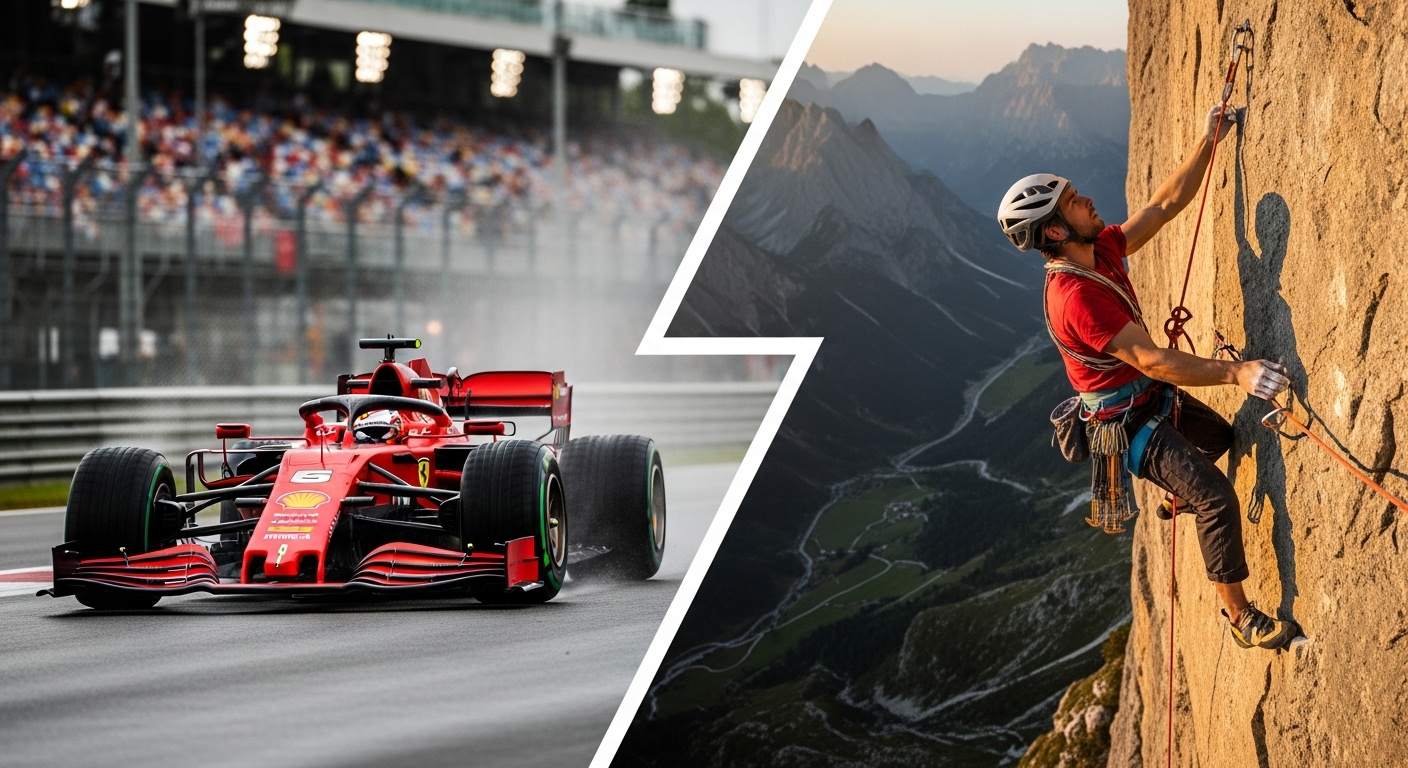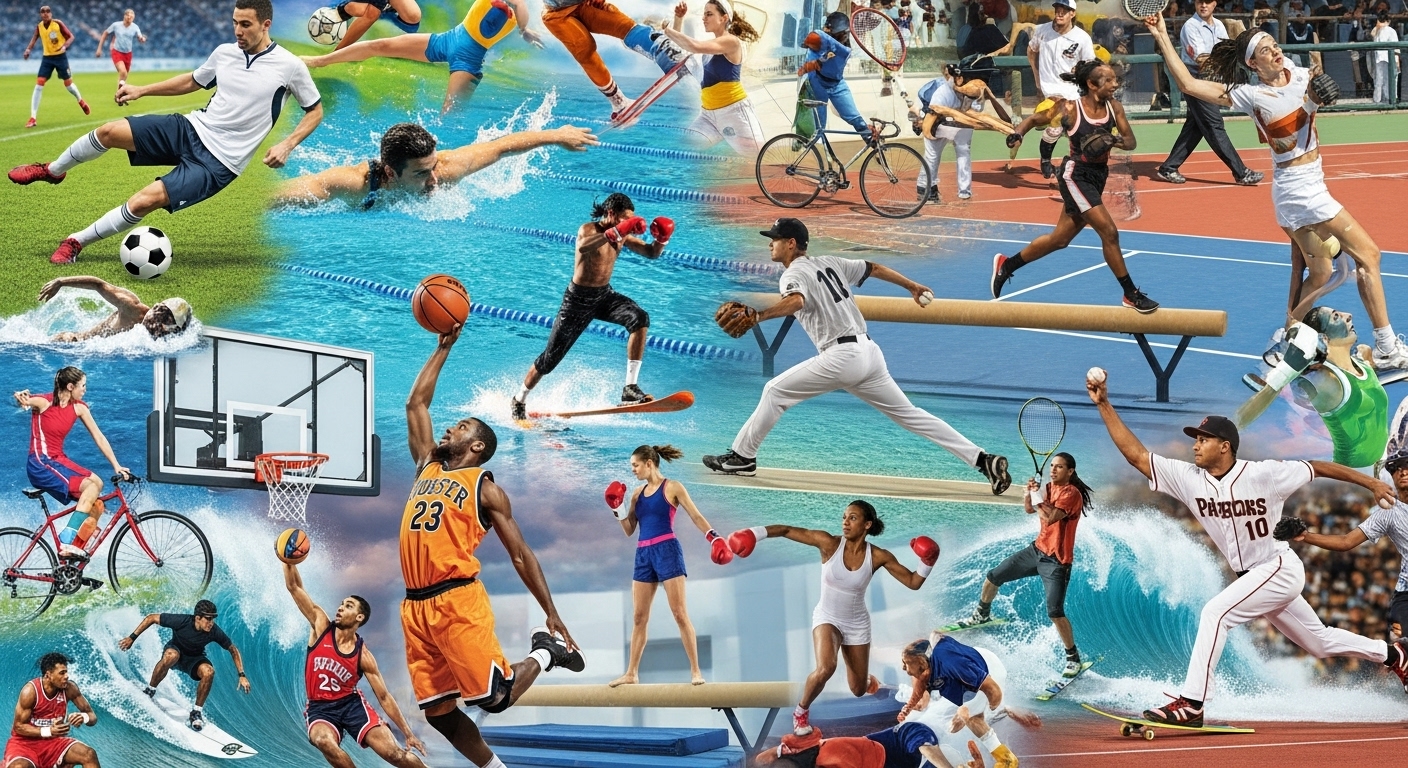
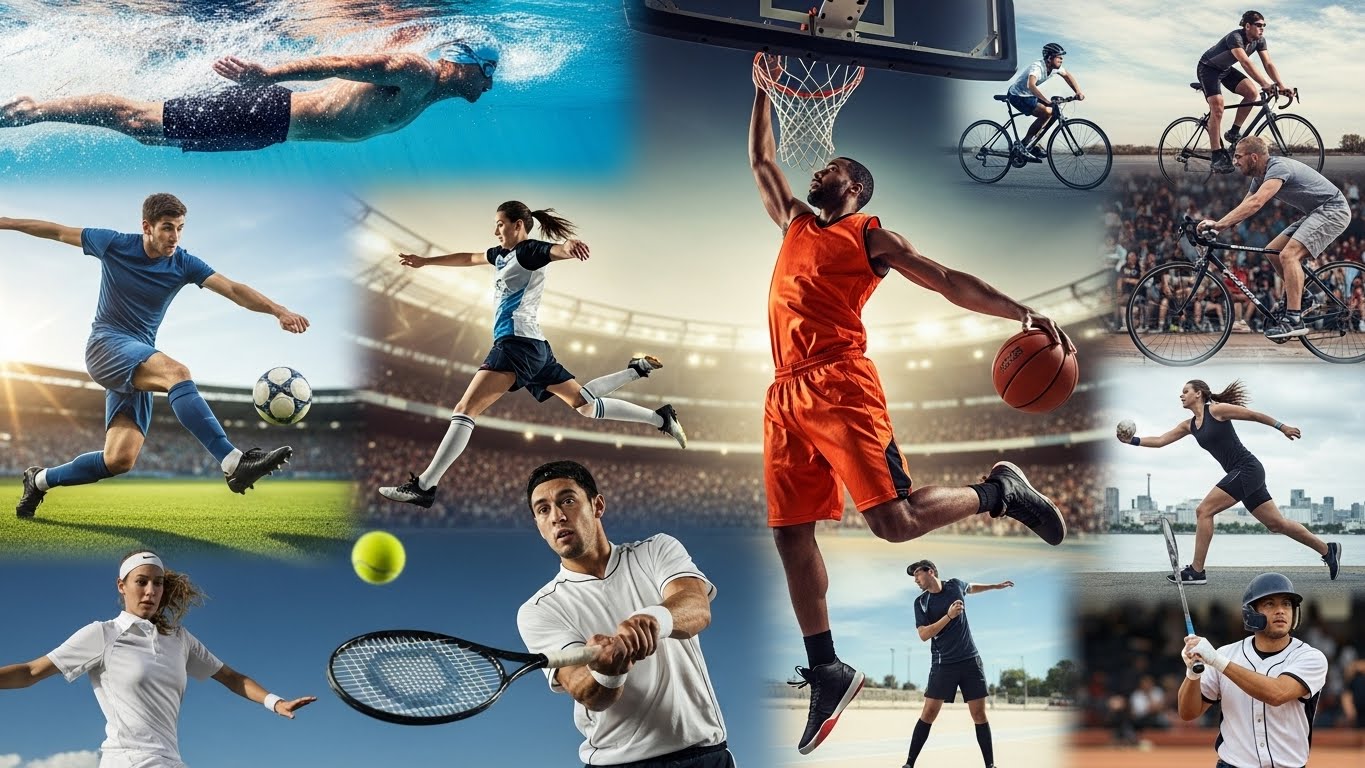
Sports have long been more than just games played on fields or courts. They are a mirror reflecting society, a catalyst for personal growth, and a universal language connecting people across cultures. From the exhilaration of scoring a goal to the discipline of training day after day, sports impact our lives in profound ways. This article explores the multifaceted world of sports, examining its influence on individuals, communities, and global culture.
The Evolution of Sports
Sports are as old as civilization itself. Ancient societies organized competitions not only for entertainment but also for demonstrating strength, skill, and strategy. The Olympic Games, originating in Greece over two thousand years ago, exemplify this blend of athleticism and cultural pride. Over centuries, sports evolved, adapting to social changes, technological advancements, and cultural trends. Today, traditional sports like soccer, cricket, and athletics coexist with newer disciplines such as eSports, reflecting the dynamic nature of human creativity and competitive spirit.
Physical Benefits of Sports
Engaging in sports offers numerous physical benefits. Regular participation improves cardiovascular health, enhances muscular strength, and increases flexibility and coordination. Activities like swimming, running, and cycling promote endurance, while team sports such as basketball and rugby foster agility and balance. Beyond fitness, sports help prevent chronic diseases such as obesity, diabetes, and hypertension. The physical rigor involved also enhances the immune system, making participants more resilient to illnesses.
Mental Health and Sports
Sports are not just about the body; they nurture the mind. Physical activity stimulates the production of endorphins, neurotransmitters that reduce stress and induce feelings of happiness. Regular exercise can alleviate symptoms of anxiety and depression, boost mood, and improve cognitive function. Team sports, in particular, encourage social interaction and communication, which are essential for mental well-being. The discipline and focus required in sports help athletes develop resilience and problem-solving skills, which extend beyond the field into everyday life.
Character Building Through Sports
Participation in sports cultivates essential life skills. Discipline, perseverance, and time management are ingrained in athletes through rigorous training schedules and the pursuit of goals. Sports teach individuals to handle both victory and defeat with grace, fostering humility and emotional intelligence. Leadership skills emerge in those who guide teams, while teamwork is learned through collaboration and mutual support. These lessons often translate into personal and professional success, making sports a powerful tool for character development.
The Role of Sports in Education
Schools and universities have long recognized the value of sports in education. Beyond physical fitness, sports programs enhance social skills, teamwork, and leadership abilities. Students involved in athletics often demonstrate improved concentration and academic performance due to the discipline and structure that sports provide. Moreover, inter-school competitions promote community engagement, school spirit, and cultural exchange, enriching the educational experience.
Sports as a Catalyst for Social Change
Sports have the power to drive social change. They break down barriers of race, gender, and socioeconomic status, offering a platform for inclusion and equality. Iconic athletes have used their visibility to challenge social injustices and inspire movements. Sporting events often bring communities together, fostering a sense of belonging and collective identity. In many cases, sports have become a medium for peace and diplomacy, uniting nations through friendly competition and mutual respect.
Economic Impact of Sports
The sports industry is a significant economic driver. From ticket sales and merchandising to broadcasting rights and sponsorship deals, sports generate substantial revenue worldwide. Major events like international tournaments stimulate tourism, create employment opportunities, and boost local economies. Professional athletes contribute to brand endorsements, influencing consumer behavior and shaping trends. Even grassroots sports programs play a role in economic development by promoting health, engagement, and local business opportunities.
Technological Advancements in Sports
Technology has revolutionized the way sports are played, analyzed, and consumed. Advanced equipment enhances safety and performance, while wearable devices track physical metrics to optimize training. Video analysis and AI-driven statistics allow coaches to develop strategies and improve decision-making. Broadcasting innovations, including high-definition streaming and virtual reality, have transformed fan experiences, making sports more accessible globally. Technology continues to push the boundaries of human potential, allowing athletes to achieve feats once considered impossible.
Globalization of Sports
Sports have transcended local and national boundaries, becoming a global phenomenon. International competitions bring together athletes from diverse backgrounds, fostering cultural exchange and mutual understanding. Fans connect across continents through social media and live broadcasts, creating a global community united by passion. The universal appeal of sports lies in its simplicity—whether through a ball, a track, or a pool, the joy of competition is understood by people everywhere.
The Rise of Women in Sports
Historically, sports were dominated by men, but women have increasingly claimed their space in the athletic world. Female athletes have shattered stereotypes, proving that talent and determination are not bound by gender. Their achievements inspire younger generations and promote gender equality in society. Organizations and leagues supporting women’s sports are growing, providing platforms for competition and recognition. The rise of women in sports is not just a victory on the field; it is a milestone for social progress and empowerment.
Youth and Sports
Engaging young people in sports is crucial for their holistic development. Sports teach children essential life skills such as cooperation, discipline, and goal-setting. They also offer a constructive outlet for energy and creativity, reducing the likelihood of negative behaviors. Schools and community programs that promote youth sports contribute to healthier, more confident, and socially aware generations. By nurturing young talent, society ensures a future where sports continue to inspire and unite.
The Cultural Significance of Sports
Sports often carry deep cultural meaning. National teams, traditional games, and iconic athletes become symbols of identity and pride. Sporting events can revive traditions, preserve heritage, and strengthen community bonds. They create shared experiences, memories, and narratives that transcend generations. Whether it’s the excitement of a local tournament or the spectacle of the World Cup, sports foster a sense of belonging and collective joy that enriches cultural life.
Challenges Facing Modern Sports
Despite its many benefits, sports face challenges in the modern era. Commercialization and intense competition can overshadow the spirit of fair play. Issues such as doping, corruption, and unequal access to resources threaten the integrity of sports. Mental health pressures on athletes, especially professionals, are increasingly recognized but still require more support. Addressing these challenges is essential to preserve the essence of sports as a force for growth, unity, and inspiration.
The Future of Sports
The future of sports promises continued evolution. Emerging technologies, new disciplines, and greater inclusivity will shape the landscape of athletics. Esports and virtual competitions are expanding the definition of sports, attracting younger audiences and redefining competition. Sustainability initiatives aim to reduce the environmental impact of sporting events. As society progresses, sports will continue to adapt, remaining a reflection of human ingenuity, resilience, and the unifying power of shared passion.
Conclusion
Sports are far more than games; they are a profound force shaping our bodies, minds, communities, and cultures. They teach resilience, foster unity, and inspire progress. From personal development to global diplomacy, the influence of sports permeates every facet of human life. By celebrating sports in all their forms and supporting their ethical, inclusive, and innovative growth, we ensure that future generations will continue to experience the joy, challenge, and transformative power that only sports can provide.