Introduction
Sports have always been an essential part of human life. They are not merely games; they are a reflection of human determination, discipline, and creativity. From local playgrounds to grand stadiums, sports inspire individuals, unite communities, and even shape national identity. They influence physical health, mental well-being, and social cohesion, making them a vital aspect of society. This blog explores the many ways sports impact our lives, the lessons they teach, and why they continue to be a powerful force in modern society.
The Universal Language of Sports
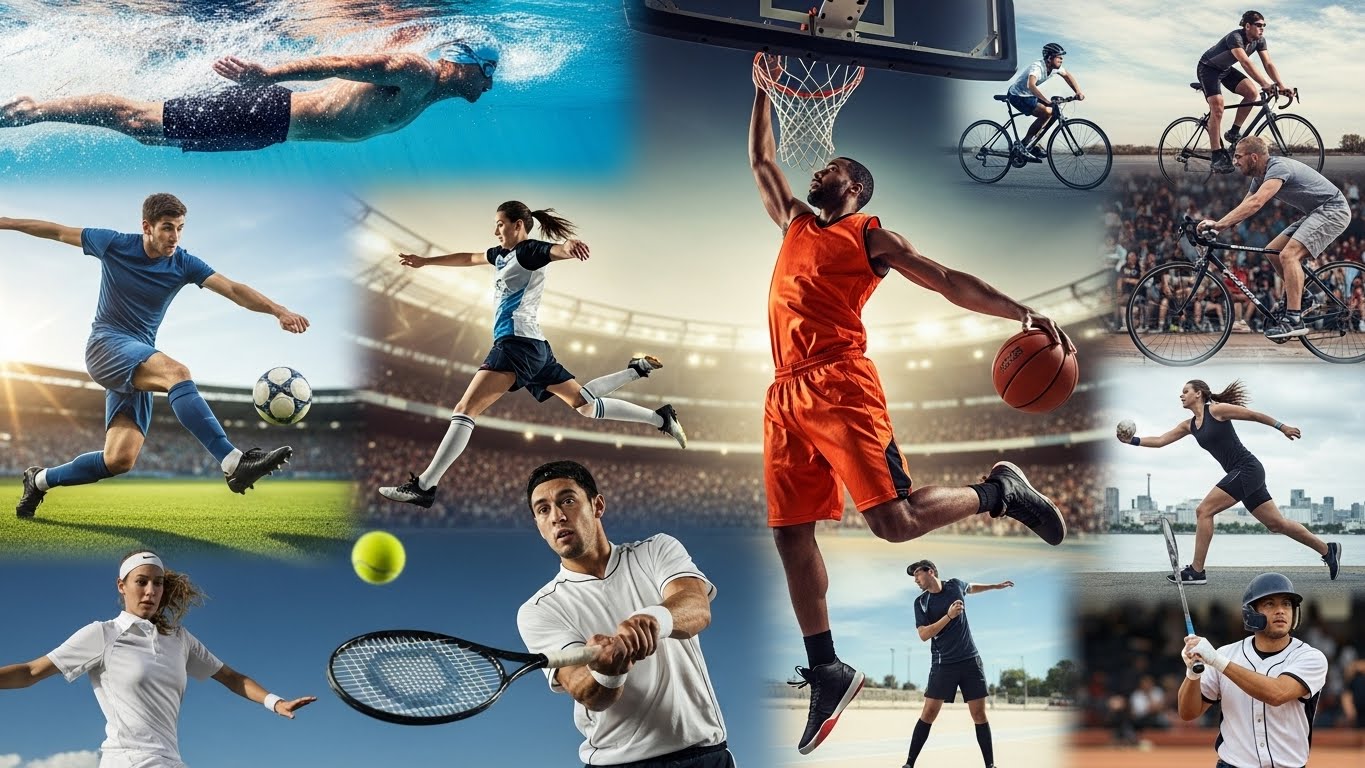
Sports transcend borders, cultures, and languages. Whether it is soccer in Europe, cricket in Asia, basketball in America, or rugby in the Pacific Islands, sports create a common ground for people. Fans and athletes alike share emotions such as excitement, anticipation, and joy. Sports have the unique ability to bring together people from different backgrounds and foster mutual respect and understanding. Their universal appeal lies in the combination of skill, strategy, and physical ability that everyone can admire.
Physical Benefits of Sports
One of the most evident advantages of sports is the positive impact on physical health. Engaging in sports improves cardiovascular health, builds muscle strength, enhances flexibility, and boosts endurance. For children, participation in sports promotes healthy growth, coordination, and motor skills. Adults who stay active through sports reduce their risk of lifestyle-related illnesses such as obesity, diabetes, and heart disease. Activities like swimming, cycling, running, and football offer enjoyable ways to maintain overall fitness while keeping the body strong and agile.
Mental Health and Emotional Growth
Beyond physical fitness, sports are critical for mental health. Regular physical activity helps reduce stress, anxiety, and depression. The focus and concentration required during sports improve cognitive function and decision-making skills. Team sports create opportunities for social interaction, enhancing emotional support and fostering a sense of belonging. Handling the pressure of competition, learning to cope with failure, and celebrating success all contribute to emotional growth. Sports teach individuals to manage emotions, build confidence, and develop resilience.
Character Development Through Sports
Sports are an excellent platform for developing personal character. They instill discipline, perseverance, and time management. Athletes learn to set goals, work hard, and remain committed despite challenges. Team-based sports teach communication, leadership, and collaboration, while individual sports emphasize self-reliance and accountability. Winning gracefully and losing with dignity are lessons that extend beyond the playing field, shaping responsible, empathetic, and determined individuals. The values learned through sports often translate into personal, academic, and professional success.
Sports in Education
Schools and colleges worldwide recognize the importance of integrating sports into their curricula. Student participation in sports enhances physical fitness, develops teamwork skills, and improves concentration. Competitive events, such as inter-school and inter-college tournaments, foster healthy rivalry and school spirit. Students learn time management by balancing academics with training schedules. Sports also provide a safe outlet for stress and an opportunity to build lifelong friendships. Education through sports helps create well-rounded individuals with discipline, confidence, and social awareness.
Building Communities Through Sports
Sports are a powerful tool for community building. Local leagues, recreational programs, and neighborhood tournaments unite people across social, cultural, and economic lines. Community sports events encourage interaction, cooperation, and teamwork, strengthening social bonds. Fans gather to support their local teams, creating shared experiences and collective pride. Sports also serve as a platform for volunteerism and civic engagement, where communities come together to organize, support, and celebrate events. In many societies, sports act as a bridge between diverse groups, fostering unity and mutual respect.
The Rise of Women in Sports
Women’s sports have witnessed tremendous growth over the past few decades. Female athletes have broken records, challenged stereotypes, and inspired millions. Increased participation and visibility of women in sports have promoted gender equality and empowerment. Women’s football, cricket, tennis, and athletics showcase skill, dedication, and perseverance, motivating young girls to pursue their dreams. Women athletes serve as role models, demonstrating that talent and determination are not limited by gender. Their achievements highlight the importance of equal opportunities and representation in all areas of sports.
National Pride and International Competitions
Sports have a unique power to evoke national pride. International tournaments like the Olympics, FIFA World Cup, and regional championships bring countries together in celebration of athletic talent. Athletes representing their nations carry the aspirations of millions, and their victories become symbols of collective achievement. Success in sports can inspire unity, boost morale, and encourage younger generations to strive for excellence. Sporting events often highlight a nation’s culture, resilience, and competitive spirit, reinforcing a shared identity among citizens.
Technology and Sports
The role of technology in sports has grown significantly in recent years. Advanced training equipment, performance analytics, wearable devices, and video review systems help athletes improve their skills and strategies. Technology enhances fairness and transparency in competitions by assisting referees and officials. Fans also benefit from innovations such as live streaming, real-time statistics, and interactive experiences. Technology has made sports more precise, engaging, and globally accessible, connecting athletes and enthusiasts from every corner of the world.
Economic Impact of Sports
Sports are not only a cultural phenomenon but also a major economic driver. Professional leagues, sponsorships, merchandising, broadcasting, and sports tourism generate billions of dollars annually. Large-scale events create employment opportunities, boost local economies, and promote infrastructure development. Even community-based programs contribute economically by providing coaching jobs, facility rentals, and training equipment sales. The financial impact of sports emphasizes their significance beyond entertainment, showcasing their role in societal development and economic growth.
Youth Development Through Sports
Engaging young people in sports promotes personal growth and positive life choices. Sports teach children and teenagers teamwork, leadership, discipline, and resilience. Participation in athletics reduces involvement in negative behaviors and fosters social responsibility. Youth sports programs offer mentorship, skill development, and opportunities to compete in structured environments. Early exposure to sports encourages healthy lifestyles and instills values that stay with individuals throughout their lives. By nurturing young talent, sports contribute to building future leaders and role models.
Challenges in Sports
Despite their benefits, sports face challenges that must be addressed. Commercialization, excessive pressure, mental health concerns, injuries, and unethical practices like doping can undermine the integrity of sports. Athletes often deal with intense scrutiny, expectations, and stress, which may lead to burnout. Maintaining fairness, ethical conduct, and prioritizing athlete well-being are crucial for sustaining sports culture. Addressing these issues ensures that sports continue to inspire, educate, and unite rather than merely entertain.
Emerging and Alternative Sports
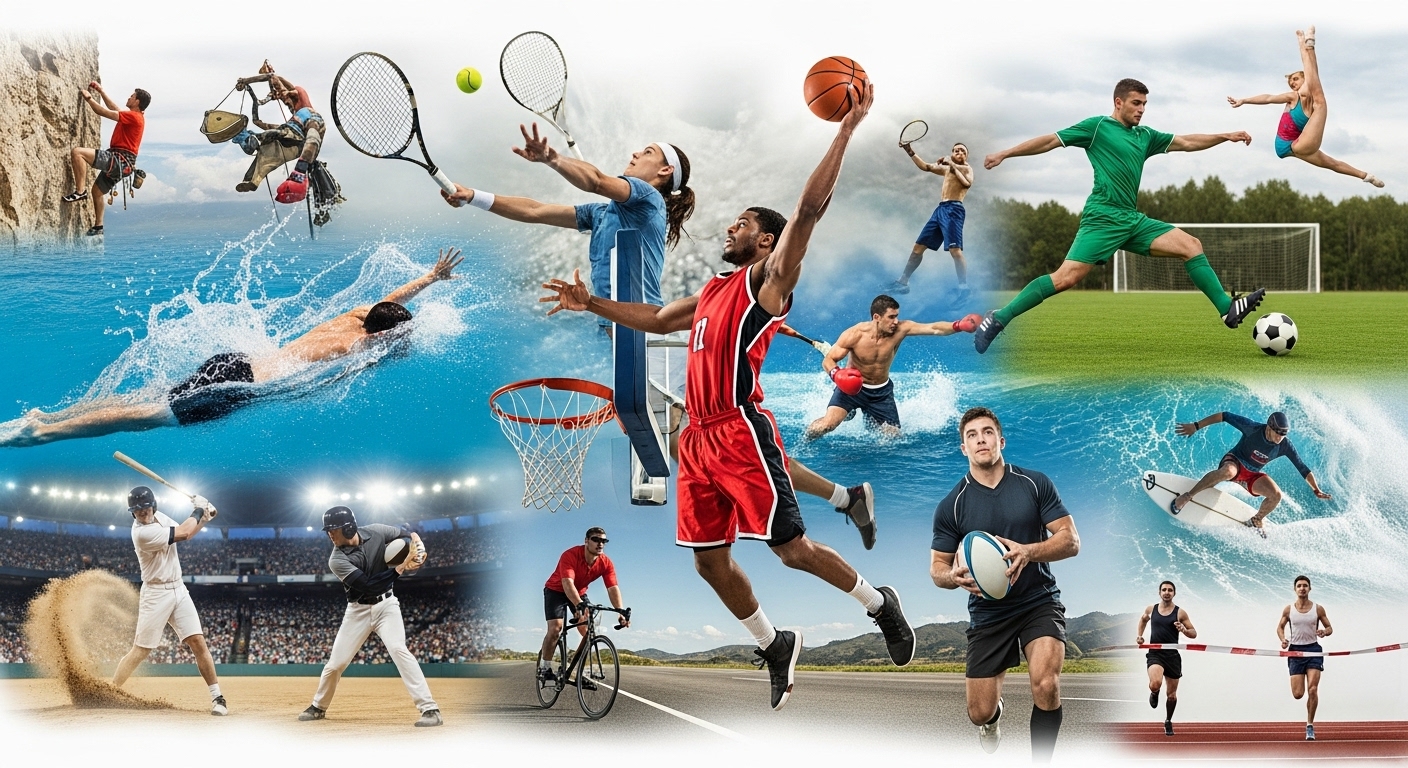
The world of sports is constantly evolving. Adventure sports, extreme sports, e-sports, martial arts, and urban athletic disciplines like parkour are gaining popularity. These emerging sports encourage creativity, innovation, and new forms of expression. They appeal to younger generations seeking excitement and unique challenges while promoting fitness, mental agility, and adaptability. Alternative sports expand participation opportunities and redefine the idea of athletic achievement. They highlight that sports are not limited to traditional games but can be inclusive, dynamic, and continually evolving.
Sports as a Lifelong Journey
Sports are not limited to professional athletes or youth. Recreational sports like jogging, swimming, cycling, yoga, and hiking provide lifelong physical and mental benefits. Engaging in sports throughout life promotes healthy aging, maintains mental clarity, and strengthens social bonds. Sports offer joy, stress relief, and personal fulfillment at any age. Whether for competition or recreation, sports remain a source of inspiration, motivation, and well-being for individuals across all stages of life.
The Emotional Connection to Sports
The emotional aspect of sports is undeniable. Fans experience excitement, joy, suspense, and even heartbreak alongside athletes. This shared journey creates loyalty, empathy, and a sense of belonging. Sports stories of perseverance, triumph, and resilience inspire audiences and teach valuable life lessons. Witnessing a remarkable play or a hard-fought victory leaves lasting memories that extend beyond the game itself. Sports connect humans through emotion, passion, and shared experience.
Conclusion
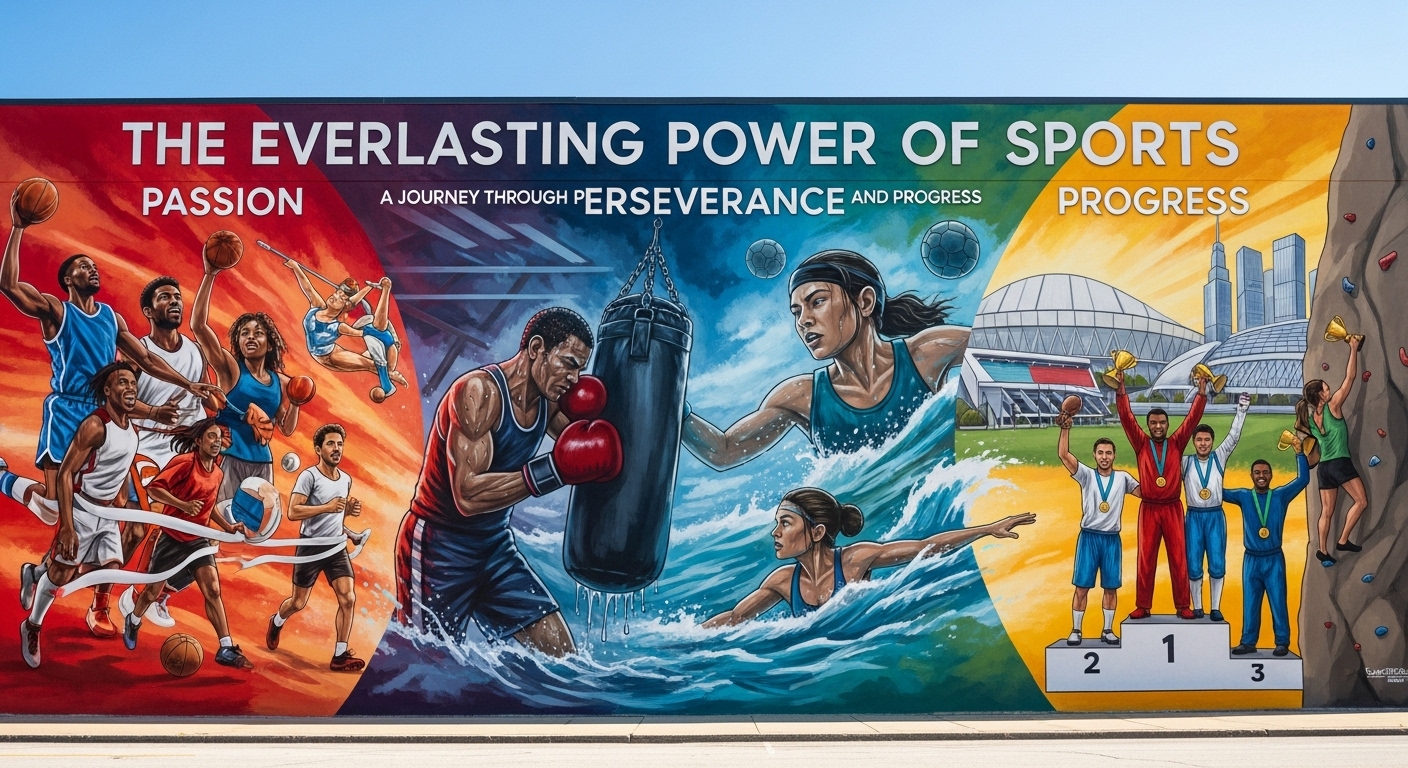
Sports are far more than games; they are a cornerstone of human life. They inspire physical and mental well-being, foster personal growth, build communities, and create national pride. From local playgrounds to global arenas, sports influence individuals and societies in profound ways. They teach discipline, teamwork, resilience, and fair play, shaping lives and character. Beyond victories and records, sports symbolize unity, perseverance, and the limitless potential of the human spirit. They are not just games—they are a reflection of our humanity.