
Introduction
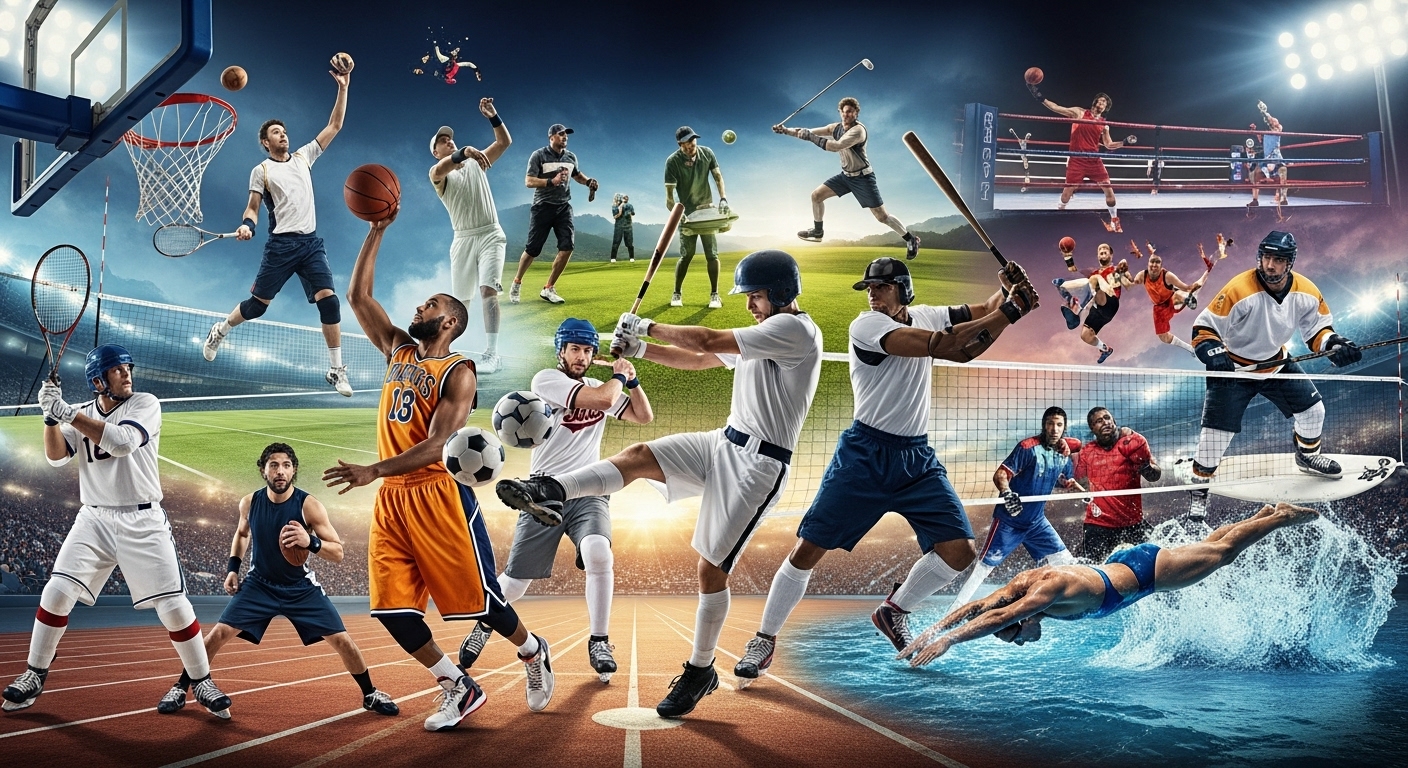
Sports have always been more than just games or competitions. They are a reflection of human perseverance, passion, and resilience. From ancient civilizations to modern times, sports have been a vital part of culture, education, and entertainment. They teach valuable life skills, promote health, foster teamwork, and inspire individuals to achieve greatness. Beyond the physical aspect, sports shape character, build communities, and bring people together across boundaries of nationality, religion, and culture. This blog explores the profound influence of sports, its evolution, societal importance, and the role it plays in shaping individuals and nations.
The Historical Evolution of Sports
The history of sports dates back thousands of years, highlighting humanity’s fascination with physical competition and skill. In ancient Greece, the Olympic Games were celebrated to honor the gods, emphasizing strength, speed, and endurance. Ancient civilizations used sports to train warriors, test physical abilities, and entertain communities.
Over the centuries, sports became more structured and organized. The 19th and 20th centuries introduced standardized rules, official competitions, and international tournaments. Football, cricket, and athletics emerged as popular sports with worldwide recognition. Modern sports combine tradition with innovation, blending professional leagues, local competitions, and recreational activities. Today, sports are not just a pastime; they are a global phenomenon that inspires millions and drives cultural, economic, and social development.
Physical Benefits of Sports
Engaging in sports offers unparalleled physical benefits. Regular participation improves cardiovascular health, builds muscular strength, enhances flexibility, and boosts endurance. Activities like swimming, running, cycling, and gymnastics promote different aspects of physical fitness, helping participants achieve overall wellness.
Sports also aid in maintaining healthy body weight and preventing lifestyle-related diseases such as obesity, diabetes, and heart disease. For children, participation in sports develops motor skills, coordination, and body awareness. For adults, sports enhance energy levels, maintain physical health, and promote longevity. Athletes serve as examples of peak physical performance, motivating others to adopt active lifestyles.
Mental and Emotional Benefits
Sports have a powerful impact on mental and emotional well-being. Physical activity triggers the release of endorphins, reducing stress, anxiety, and depression. Sports also develop mental resilience, focus, and discipline, teaching individuals to cope with challenges, setbacks, and competitive pressure.
Team sports encourage empathy, communication, and emotional intelligence. Participants learn to celebrate victories together, support teammates during losses, and manage conflicts constructively. Sports provide an outlet for self-expression, confidence-building, and personal growth, making mental and emotional health as important as physical development.
Teamwork and Leadership Skills
Team sports are a breeding ground for leadership and collaboration. Sports like basketball, football, hockey, and volleyball require players to work together, strategize, and trust one another to achieve a common goal. Understanding roles, responsibilities, and tactics helps individuals develop teamwork skills that extend beyond the field.
Leadership is cultivated when players take on mentoring or captain roles, guiding and motivating their teammates. These experiences foster accountability, decision-making, and problem-solving skills, which are valuable in professional and personal life. Sports teach individuals that collective success often outweighs personal glory, creating leaders who value cooperation and communication.
Cultural and Social Impact of Sports
Sports play a crucial role in shaping cultural identity and social cohesion. National pride is often linked to athletic success, particularly during global competitions like the Olympics or the FIFA World Cup. Wins inspire unity and celebration, while losses teach resilience and humility.
Sports also bridge social divides. Stadiums and local fields become spaces where individuals from diverse backgrounds come together, fostering a sense of community. Recreational leagues and community tournaments promote inclusion, social interaction, and cultural exchange. By connecting people, sports reinforce shared values, traditions, and collective experiences that strengthen society.
Entertainment and Spectacle
Sports are a significant source of entertainment worldwide. The excitement of close matches, unexpected outcomes, and record-breaking performances captivates audiences. Television, live broadcasts, and digital platforms allow fans to follow their favorite teams and athletes from anywhere in the world.
Athletes often become role models, inspiring fans with dedication, discipline, and skill. The narratives of triumph, rivalry, and comeback stories enhance the emotional connection with spectators. Sports entertainment extends beyond competition; it creates shared experiences, emotional investment, and cultural phenomena that unite fans globally.
Youth Participation and Development
Sports are critical for youth development. Early engagement teaches discipline, time management, perseverance, and goal-setting. Children develop physical coordination, strategic thinking, and social skills through structured sports activities.
Schools, academies, and community programs provide coaching, mentorship, and access to facilities, nurturing talent and passion. Youth sports promote health, confidence, teamwork, and leadership, laying the foundation for lifelong skills. Encouraging young people to participate in sports ensures the cultivation of healthy, responsible, and socially aware adults.
Sports and Education
Education and sports go hand in hand, fostering holistic development. Schools and universities integrate athletics into curricula to enhance physical, mental, and social growth. Scholarships and competitive programs allow students to pursue both academic and athletic excellence.
Participation in sports teaches perseverance, time management, and leadership while complementing academic achievement. Student-athletes often become community role models, demonstrating that dedication and balance can lead to success in multiple areas. Sports in education build character, resilience, and critical thinking skills that prepare students for future challenges.
Economic Influence of Sports
Sports are a significant driver of the global economy. Professional leagues, tournaments, and recreational programs generate revenue through ticket sales, broadcasting rights, sponsorships, and merchandise. Mega-events such as the Olympics and World Cup boost tourism, create jobs, and stimulate local economies.
The sports industry also promotes entrepreneurship and innovation. Equipment manufacturing, sports technology, coaching services, and media coverage contribute to economic growth. Sports are not just entertainment; they are a vital economic force that supports livelihoods and drives financial development globally.
Technological Innovations in Sports
Technology has transformed sports in multiple ways. Performance tracking systems, wearable devices, and video analysis enable athletes to optimize training and performance. Innovations such as goal-line technology, instant replay, and data analytics enhance fairness, accuracy, and strategic decision-making.
Digital platforms allow fans to follow events live, engage with players, and participate in virtual experiences. Virtual reality and augmented reality create immersive viewing experiences, while advanced sports equipment improves safety and efficiency. Technology ensures continuous evolution in sports, benefiting both athletes and audiences.
Challenges in Sports
Despite the many benefits, sports face challenges that require attention. Injuries, overtraining, and burnout affect athletes’ physical and mental health. Issues such as doping, corruption, and unethical behavior threaten the integrity of competitions.
Social challenges, including inequality, discrimination, and limited access to facilities, prevent widespread participation. Addressing these challenges is essential to ensure that sports remain inclusive, fair, and safe. Policies, education, and community support play a crucial role in overcoming these obstacles.
The Future of Sports
The future of sports promises innovation, inclusivity, and global engagement. Advances in technology will enhance athlete performance, fan interaction, and accessibility. Data analytics, wearable devices, and immersive experiences will redefine how sports are played and viewed.
Sports will continue to unite cultures, promote social inclusion, and inspire healthy lifestyles. Sustainable practices, technological integration, and community-driven initiatives will ensure that sports remain relevant and transformative for generations to come. The evolution of sports mirrors human progress, connecting people and shaping societies worldwide.
Conclusion
Sports are more than competitions; they are a reflection of human spirit, culture, and resilience. They promote physical health, mental well-being, teamwork, leadership, and social cohesion. From local fields to global stadiums, sports inspire passion, discipline, and unity.
As society evolves, sports will continue to shape individuals, communities, and nations. By embracing inclusivity, innovation, and ethical practices, sports can remain a source of inspiration and transformation for future generations. Their impact extends beyond the playing field, influencing lives, cultures, and communities in profound and enduring ways.