
Introduction: The Significance of Sports
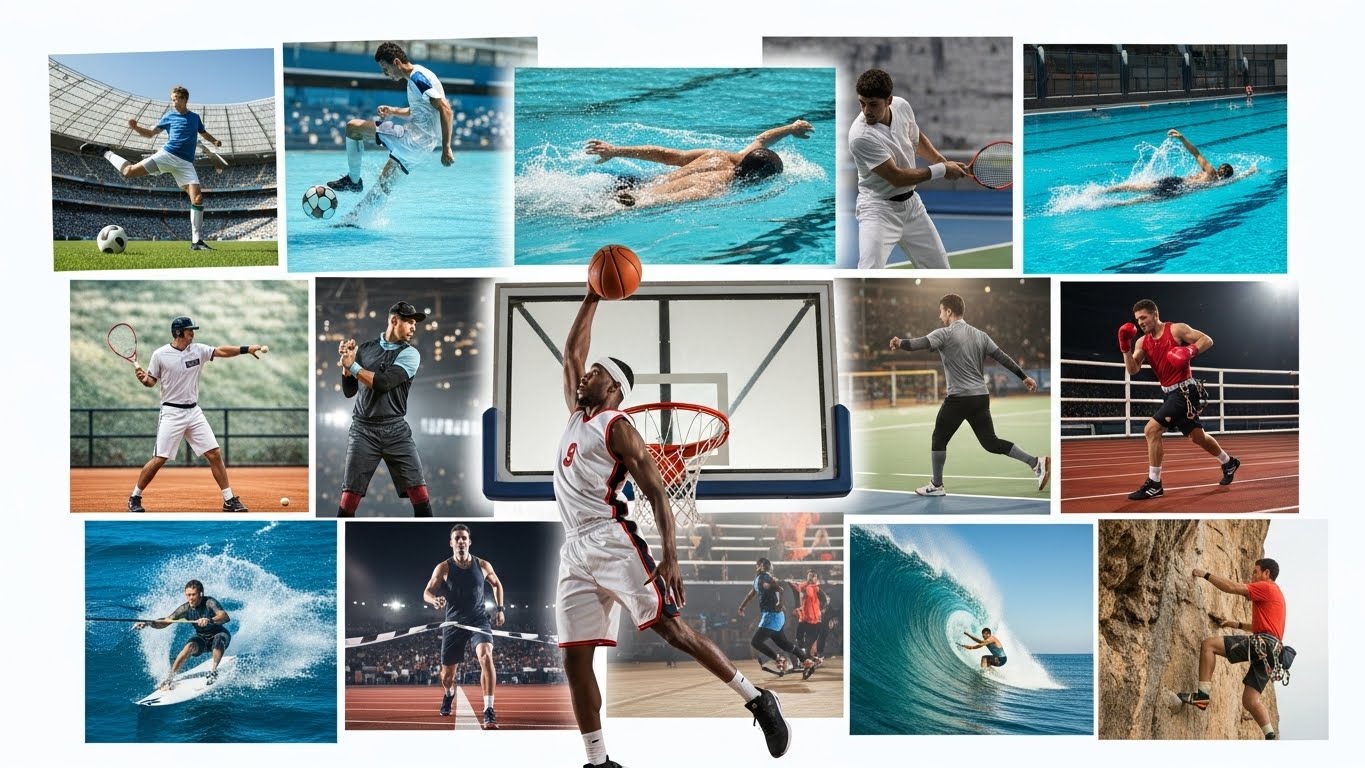
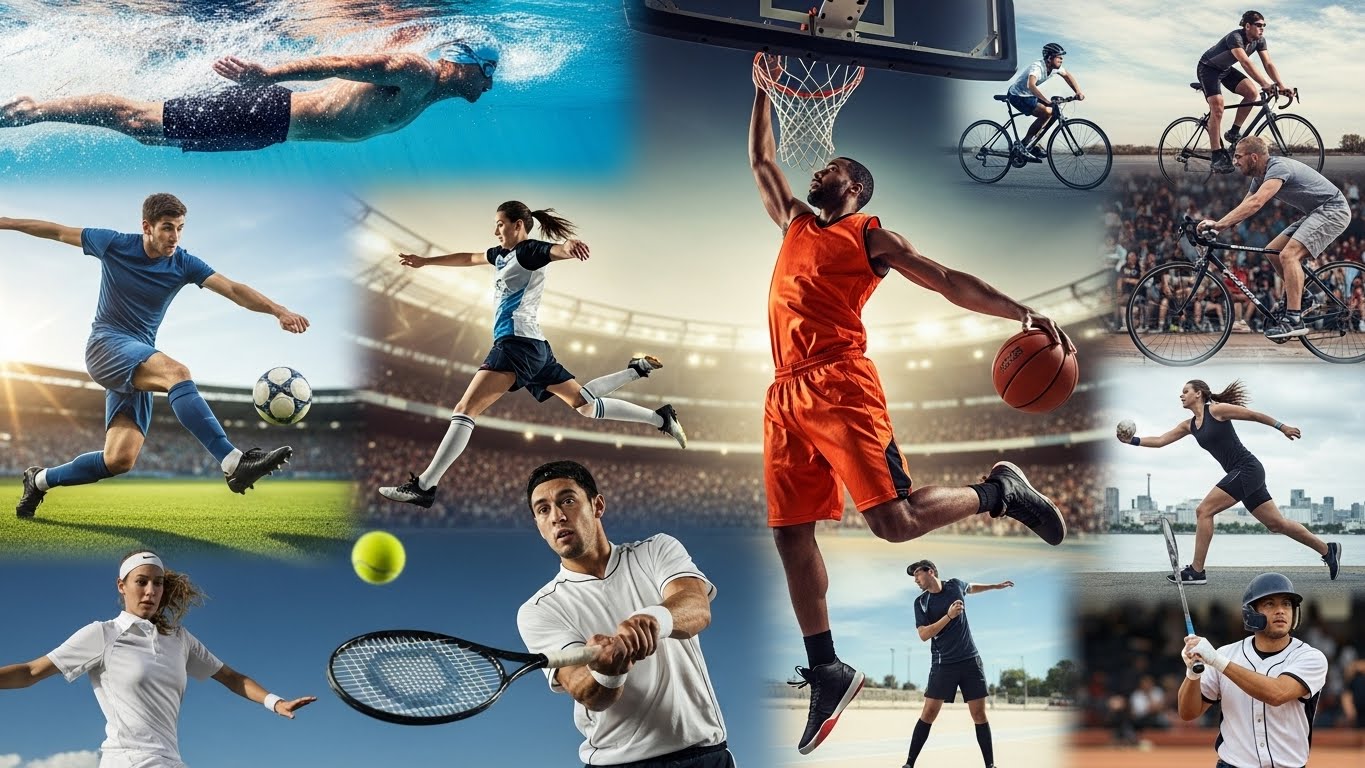
Sports have always been a vital part of human culture. From the ancient Olympic Games to modern professional leagues, sports have connected communities, inspired individuals, and shaped societies. More than just a form of entertainment, sports offer physical, mental, and social benefits, teaching valuable life skills such as teamwork, discipline, and perseverance.
In this blog, we explore the multifaceted impact of sports, examining how they influence individual growth, community development, global relations, and even the economy.
Historical Perspective: The Roots of Sports
The history of sports stretches back thousands of years. Ancient civilizations used athletic competitions to celebrate strength, skill, and strategy. The first Olympic Games in Greece symbolized excellence and unity, setting the foundation for organized sports.
Throughout history, sports have mirrored societal values. Medieval tournaments, martial arts, and traditional games provided training, entertainment, and social cohesion. Modern sports, with codified rules and organized leagues, have evolved into a global phenomenon, reflecting cultural identity, national pride, and shared human aspirations.
Physical Health Benefits of Sports
One of the most immediate benefits of sports is the improvement of physical health. Regular participation strengthens muscles and bones, improves cardiovascular function, and enhances flexibility and coordination. Engaging in sports helps maintain a healthy weight, reduces the risk of chronic diseases, and promotes overall wellness.
For children and adolescents, sports contribute to growth, motor skill development, and physical literacy. Activities like swimming, football, basketball, and athletics enhance endurance, speed, and agility, creating a foundation for a lifetime of healthy habits.
Mental Health and Cognitive Advantages
Sports also have profound effects on mental well-being. Physical activity releases endorphins, which reduce stress, anxiety, and depression. Participation in team sports fosters social connections, enhances self-esteem, and develops emotional resilience.
Competitive sports teach athletes how to handle pressure, cope with setbacks, and maintain focus. Strategy-based sports, such as chess, tennis, and football, enhance problem-solving abilities, decision-making, and critical thinking. The cognitive benefits of sports complement their physical impact, promoting holistic development.
Social Benefits: Building Community and Unity
Sports are a powerful tool for social cohesion. They bring people together across cultural, economic, and geographic boundaries. Community sports leagues, school competitions, and recreational activities create shared experiences that strengthen local bonds.
International sporting events like the Olympics, FIFA World Cup, and Cricket World Cup promote global unity and cultural exchange. Fans and participants alike experience a sense of belonging, pride, and mutual respect. Sports foster teamwork, empathy, and communication skills, creating social harmony that extends beyond the playing field.
Youth Development Through Sports
Sports play a critical role in youth development. Participation encourages discipline, perseverance, and goal-setting, teaching young people essential life skills. Team sports promote cooperation, leadership, and conflict resolution, while individual sports develop self-motivation and accountability.
Schools and youth organizations leverage sports to engage students, improve academic performance, and instill positive values. Early involvement in sports creates healthy habits and builds confidence, shaping the character and mindset of the next generation.
Professional Sports: Entertainment, Inspiration, and Economics
Professional sports have become a global entertainment industry with enormous economic and cultural influence. Athletes inspire millions with their achievements, while leagues generate revenue through ticket sales, merchandise, sponsorships, and broadcasting rights.
Major sports events boost local economies by attracting tourism and creating jobs. Professional sports also provide opportunities for careers beyond athletes, including coaching, training, event management, media, and sports science. This demonstrates how sports can serve as both inspiration and economic engines.
Technology in Sports: Enhancing Performance and Experience
Technological innovation has transformed sports performance and fan engagement. Wearable devices track health metrics, monitor training progress, and prevent injuries. Advanced analytics help athletes refine strategies and optimize performance. Video technology, including instant replay and goal-line systems, ensures fairness and accuracy in competitions.
Fans benefit from technology as well. Live streaming, virtual reality experiences, and interactive apps allow global audiences to follow events in real time, bringing the excitement of sports into homes and mobile devices. Technology bridges the gap between athletes and audiences, creating immersive experiences and expanding the reach of sports worldwide.
Women in Sports: Breaking Barriers and Inspiring Change
The rise of women in sports has transformed the athletic landscape. Female athletes now compete at elite levels, gain recognition, and inspire future generations. Women’s sports leagues and international competitions provide platforms for talent, visibility, and empowerment.
Promoting gender equality in sports remains essential. Equal opportunities, fair compensation, media representation, and access to facilities are crucial to ensuring that sports are inclusive and empowering for all. The growth of women’s sports demonstrates the transformative power of athletics in challenging societal norms and fostering progress.
Sports and Global Diplomacy
Sports have long been a tool for diplomacy and international relations. They foster dialogue, cultural exchange, and cooperation between nations. Events such as the Olympic Games and regional tournaments bring together athletes and fans from diverse backgrounds, promoting peace and understanding.
Historical instances, such as Ping Pong Diplomacy, illustrate the potential of sports to bridge political divides and build international friendships. By uniting people through shared passion and fair competition, sports become a platform for diplomacy, collaboration, and mutual respect.
Lifestyle and Fitness Trends Inspired by Sports
Sports influence global lifestyle trends. Fitness culture, running clubs, cycling groups, and recreational sports have become popular ways to maintain health and well-being. Participation in sports motivates individuals to lead active, balanced lives.
Wearable technology, fitness apps, and online training programs provide tools for tracking progress, setting goals, and staying motivated. Sports-driven lifestyles promote both physical and mental health, encouraging lifelong engagement in activity and wellness.
Challenges in Sports
Despite its benefits, sports face challenges including doping, corruption, inequality, and commercialization pressures. Ensuring fair play, accessibility, and integrity is vital to maintaining trust in athletic institutions.
In some regions, lack of resources, inadequate facilities, and social barriers limit participation. Addressing these challenges requires collaborative efforts among governments, organizations, and communities to make sports equitable, ethical, and sustainable.
Sports Psychology: The Mind Behind Performance
Athletic performance relies as much on mental strength as physical ability. Sports psychology focuses on visualization, concentration, motivation, and stress management. Developing mental toughness allows athletes to perform under pressure, overcome setbacks, and achieve goals.
The lessons of resilience, discipline, and perseverance learned through sports extend beyond competition. Athletes apply these skills in academics, careers, and personal life, highlighting the broader value of sports in shaping mindset and character.
The Future of Sports: Innovation and Inclusion
The future of sports is driven by technological innovation, inclusion, and sustainability. Emerging technologies, such as virtual and augmented reality, AI analytics, and smart stadiums, are transforming training, competition, and fan experiences.
Inclusivity is central to the future of sports. Increasing opportunities for women, people with disabilities, and marginalized communities ensures that sports remain accessible, equitable, and empowering. The integration of technology and social progress will continue to make sports an enduring force for personal and societal growth.
Conclusion: The Enduring Power of Sports
Sports are more than games—they are a reflection of human potential, resilience, and collaboration. They foster physical fitness, mental well-being, social cohesion, and global unity. Participation in sports teaches discipline, teamwork, and perseverance while inspiring individuals to strive for excellence.
From local community leagues to international championships, sports connect people, drive economies, and shape culture. They remind us of the value of dedication, fair play, and shared achievement. Sports are not just competitions—they are a celebration of the human spirit and a testament to what we can accomplish when we work together.